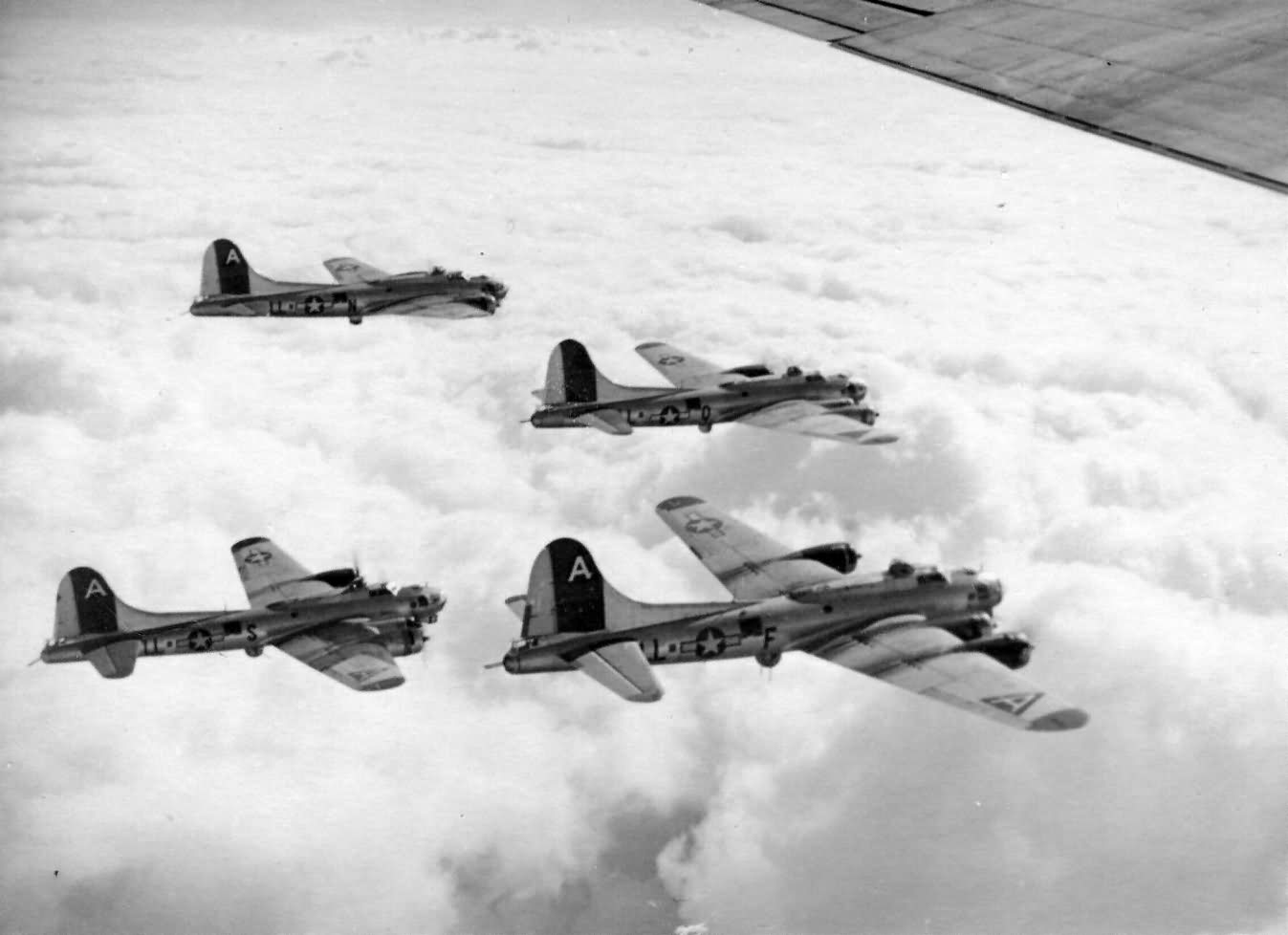
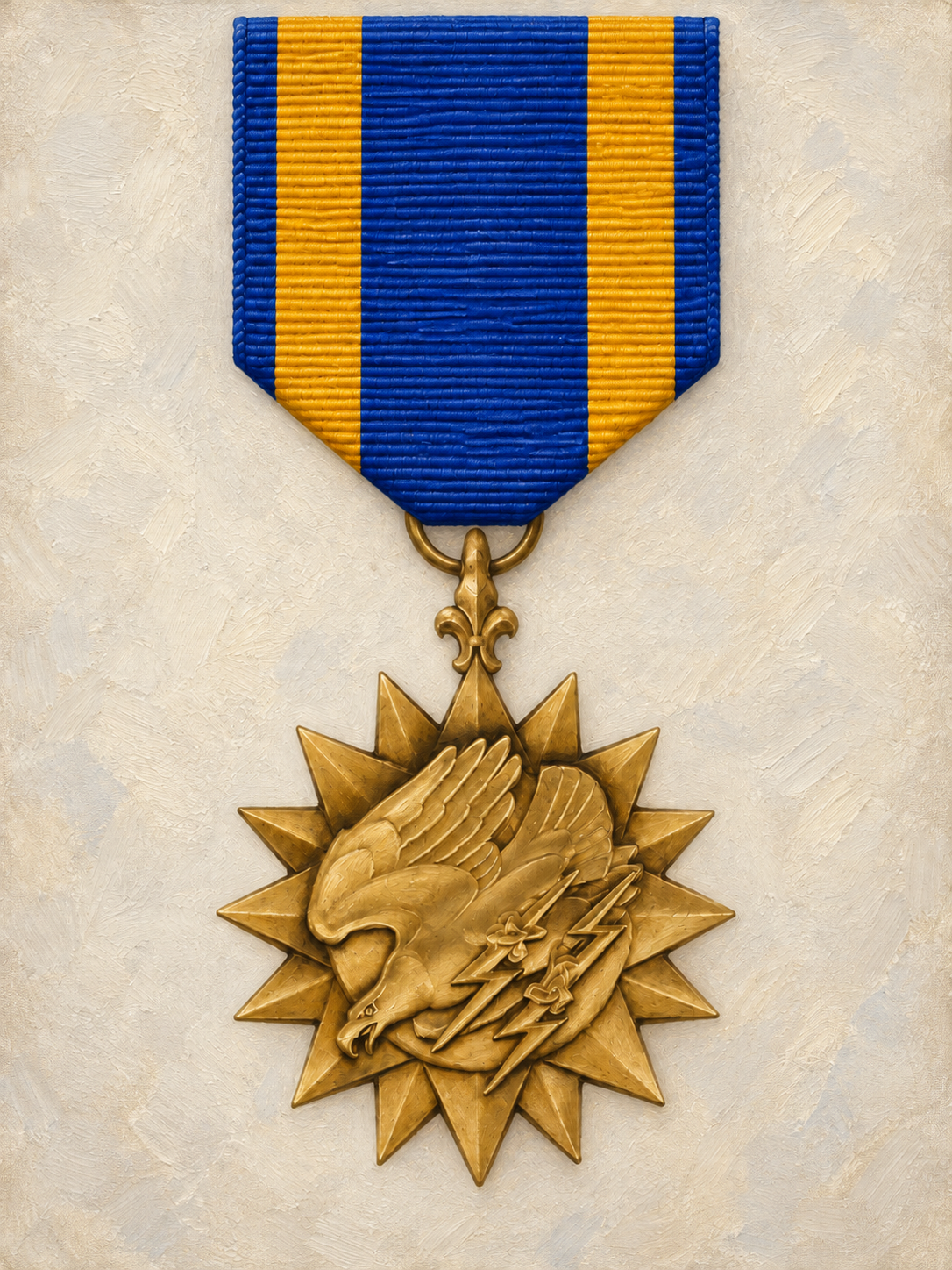
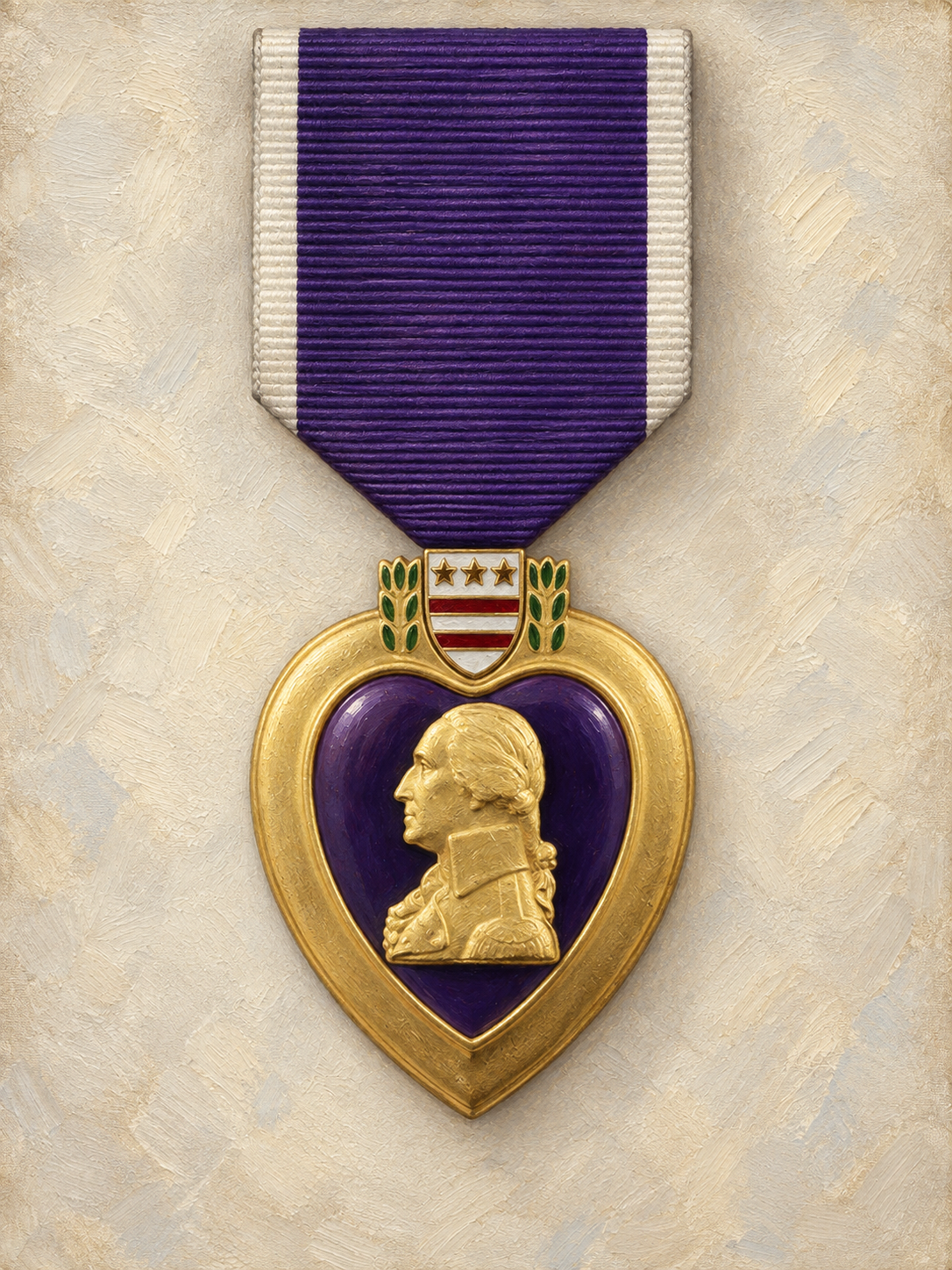
SECOND LIEUTENANT, USAAF B-17 Flying Fortress Navigator 401st Bombardment Squadron 91st Bombardment Group · Eighth Air Force Killed in Action · 8 April 1945 BORN UNIT HERITAGE TRAINING RANK BASE ROLE STATUS George Louis Latches was born in Salt Lake City, Utah, on 16 January 1919, the eldest child of Greek immigrant parents whose family roots reached to Leonidion in Kynouria, Greece. After completing high school and working in the family café, he enlisted in the Army Air Corps at Fort Douglas on 28 October 1942. Latches trained as a navigator and received his wings at Hondo Army Airfield on 21 August 1944 before completing B-17 combat preparation at Drew Field. Assigned to the crew of 1st Lt. Peter A. Pastras, he joined the 401st Bomb Squadron of the 91st Bomb Group at RAF Bassingbourn. His flight record documents an intense operational tempo and missions deep into Germany. On 8 April 1945, serving as navigator aboard B-17G Times A-Wastin’, he was lost with seven members of the crew during Mission No. 329 over Stendal. He is buried at the Netherlands American Cemetery, Margraten. His service preserves the contribution of Greek-American navigators to Eighth Air Force operations. George Louis Latches was born on 16 January 1919 in Salt Lake City, Utah, the eldest child of Greek immigrant parents. His father, Louis George Latches, was born on 20 July 1889 in Leonidion, a town in the Kynouria region of the Peloponnese, Greece.¹ His mother, Irene Assinakopoulos, was born in Greece on 9 February 1901 and immigrated to the United States in 1916.² The couple married in Salt Lake City in February 1918, and raised a family in the city’s Greek-American community.³ George had two younger sisters, Meta and Lula.⁴ By 1940, George Latches had completed four years of high school at South High School in Salt Lake City and was working in the family café business as a kitchen helper.⁵ His draft registration, filed in 1940, listed him as 5'7" tall, weighing 135 pounds, with brown hair and hazel eyes.⁶ He enlisted in the Army Air Corps on 28 October 1942 at Fort Douglas, Utah, and was accepted for aviation training.⁷ Following basic training, Latches entered the navigation training pipeline of the U.S. Army Air Forces, ultimately earning his navigator wings at Hondo Army Airfield, Texas, on 21 August 1944.⁸ He then completed transition flying and combat preparation in B-17 Flying Fortress aircraft at Drew Field, Florida, where he was assigned to the 89th Combat Crew Training School. He was assigned as navigator to the crew of 1st Lt. Peter Archie Pastras, a fellow Greek-American officer from Michigan. Together, they joined the 401st Bomb Squadron, 91st Bomb Group, based at RAF Bassingbourn, England (APO 557). Both men flew combat operations aboard the B-17G Flying Fortress Times A-Wastin' (serial 42-102504, squadron code LL-D), as well as other aircraft rotated within the squadron depending on availability.¹⁰ During the opening months of 1945, George L. Latches served as a rated navigator during the climactic phase of the Eighth Air Force’s strategic bombing campaign over Nazi Germany. Having completed intensive training under both visual and instrument navigation, he navigated missions deep into German airspace, where flak concentrations and unpredictable weather made each sortie a test of precision and endurance.¹¹ His Individual Flight Record (IFR) documents over 67 hours of navigator-rated flight time in February 1945 alone, rising to 71+ hours in March, including multiple long-range day and night missions.⁹ Flying primarily with Lt. Pastras, Latches was responsible for navigation aboard a succession of B-17s—including Times A-Wastin’, which ultimately became his primary aircraft. Missions undertaken by Latches and the 401st BS included high-value targets such as Cologne, Dortmund, Kassel, Hamburg, Chemnitz, Halle, Gotha, Aschersleben, and the Berlin area, often requiring intricate dead-reckoning, radar coordination, and rapid in-flight adjustments under duress.¹² The 401st BS also deployed Carpet Jammer aircraft on specific missions, carrying radar jamming equipment to confuse German flak and fighter control systems. As navigator, Latches’s role in such operations required close coordination with the electronic warfare operator and accurate formation flying to maintain jamming effectiveness for the wider bomber stream.¹³ By April 1945, his IFR recorded over 111:25 hours of rated operational flight time in combat.¹⁴ He had accumulated a total of 222:25 hours of navigator-rated time since training began—a reflection of his consistent performance and heavy operational tempo. On 8 April 1945, Lt. Latches flew aboard B-17G Times A-Wastin’ on a mission targeting the Reichsbahn locomotive repair depot at Stendal, an important railway hub used by retreating German forces.¹⁴ This was Mission No. 329 for the 91st Bomb Group, launched from RAF Bassingbourn under the 1st Air Division. The bombing was conducted using H2S radar, due to extensive cloud cover over the target. According to eyewitness statements later collected in the official Missing Air Crew Report (MACR 14295), the aircraft sustained a direct flak hit near the No. 2 engine as the formation bombed over the target area. Flames erupted between the engine and fuselage, and the aircraft began a steep, uncontrolled descent.¹⁵ At least one parachute was observed, possibly from the co-pilot or top turret gunner. The aircraft then exploded and disintegrated in mid-air. All but two crew members were killed. Lt. George L. Latches was listed as Missing in Action, later confirmed Killed in Action. His remains were recovered and ultimately interred at the Netherlands American Cemetery in Margraten, Plot M, Row 10, Grave 6.¹⁶ His pilot, Lt. Pastras—also of Greek descent—was killed in the same action. Their deaths symbolized not only the sacrifice of their aircrew but also the contribution of the Greek-American community to the final victory in Europe. 2nd Lt. George Louis Latches was posthumously awarded the Air Medal with oak leaf clusters, the Purple Heart, the European-African-Middle Eastern Campaign Medal, and the World War II Victory Medal. He is commemorated in the records of the American Battle Monuments Commission, the 91st Bomb Group Memorial, and numerous Greek-American heritage tributes.¹⁷ His operational legacy is defined not only by his combat record but by the professional mastery he displayed as navigator at the most critical moment of the air war in Europe. His service exemplifies the role played by first-generation Americans from immigrant families who fought with distinction in the skies over Europe. Ο George Louis Latches γεννήθηκε στις 16 Ιανουαρίου 1919 στο Salt Lake City της Γιούτα και ήταν το πρωτότοκο παιδί ενός ζεύγους Ελλήνων μεταναστών. Ο πατέρας του, ο Louis George Latches, γεννήθηκε στις 20 Ιουλίου 1889 στο Λεωνίδιο της Κυνουρίας στην Πελοπόννησο.¹ Η μητέρα του, Irene Assinakopoulos, γεννήθηκε στην Ελλάδα στις 9 Φεβρουαρίου 1901 και μετανάστευσε στις Ηνωμένες Πολιτείες το 1916.² Το ζευγάρι παντρεύτηκε στο Salt Lake City τον Φεβρουάριο του 1918 και μεγάλωσε την οικογένειά του στο πλαίσιο της ελληνοαμερικανικής κοινότητας της πόλης.³ Ο George είχε δύο νεότερες αδελφές, τη Meta και τη Lula.⁴ Μέχρι το 1940, ο George Latches είχε ολοκληρώσει τέσσερα έτη φοίτησης στο γυμνάσιο South High School του Salt Lake City και εργαζόταν στην οικογενειακή καφετέρια ως βοηθός κουζίνας.⁵ Το δελτίο στρατολογικής καταγραφής του, που κατατέθηκε το 1940, τον περιέγραφε ως ένα άνδρα με ύψος 1,70 μ., βάρος 61 κιλά, καστανά μαλλιά και φουντουκί μάτια.⁶ Κατατάχθηκε στην Αμερικανική Αεροπορία Στρατού (Unites States Air Force - USAAF) στις 28 Οκτωβρίου 1942 στο Fort Douglas της Γιούτα και έγινε δεκτός ως δόκιμος αεροπόρος.⁷ Μετά τη βασική εκπαίδευση, ο Latches εισήλθε στο πρόγραμμα εκπαίδευσης ναυτίλων της USAAF και απέκτησε τις πτέρυγες του ναυτίλου στο Hondo Army Airfield του Τέξας στις 21 Αυγούστου 1944.⁸ Στη συνέχεια ολοκλήρωσε πτήσεις μετάβασης και προετοιμασίας για μάχη σε βομβαρδιστικά B-17 Flying Fortress στο Drew Field της Φλόριντα, όπου τοποθετήθηκε στην 89η Σχολή Εκπαίδευσης Πληρωμάτων Μάχης (89th Combat Crew Training School). Τοποθετήθηκε ως ναυτίλος στο πλήρωμα του Ανθυπολοχαγού Peter Archie Pastras, επίσης Ελληνοαμερικανού αξιωματικού από το Μίσιγκαν. Μαζί εντάχθηκαν στην 401η Μοίρα Βομβαρδιστικών της 91ης Πτέρυγας Βομβαρδισμού, με βάση το RAF Bassingbourn στην Αγγλία (APO 557). Και οι δύο άνδρες εκτέλεσαν πολεμικές αποστολές με το B-17G Flying Fortress Times A-Wastin’ (σειριακός αριθμός 42-102504, κωδικός μοίρας LL-D), καθώς και με άλλα αεροσκάφη που εναλλάσσονταν στη Μοίρα ανάλογα με τη διαθεσιμότητα.¹⁰ Κατά τους πρώτους μήνες του 1945, ο George L. Latches υπηρέτησε ως ναυτίλος κατά την κορύφωση της στρατηγικής εκστρατείας βομβαρδισμών της 8ης Αεροπορικής Δύναμης πάνω από τη ναζιστική Γερμανία. Έχοντας ολοκληρώσει εντατική εκπαίδευση τόσο στην εξ όψεως όσο και στην δι' οργάνων ναυτιλία, κατηύθυνε αποστολές βαθιά στον γερμανικό εναέριο χώρο, όπου οι πυκνές συγκεντρώσεις αντιαεροπορικών πυρών και οι απρόβλεπτες καιρικές συνθήκες καθιστούσαν κάθε έξοδο δοκιμασία ακρίβειας και αντοχής.¹¹ Πετώντας με τον Lt. Pastras, ο Latches είχε την ευθύνη της ναυτιλίας σε διαδοχικά B-17 — μεταξύ αυτών και το Times A-Wastin’. Οι αποστολές που ανέλαβαν ο Latches και η 401st BS περιλάμβαναν στόχους υψηλής αξίας όπως η Κολωνία, το Ντόρτμουντ, το Κάσελ, το Αμβούργο, το Κέμνιτς, το Χάλε, η Γκότα, το Άσερσλέμπεν και η περιοχή του Βερολίνου, συχνά απαιτώντας σύνθετη ναυτιλία εξ αδρανείας, συντονισμό με ραντάρ και ταχείες προσαρμογές εν πτήσει υπό συνθήκες πίεσης.¹² Το ημερολόγιο καταγραφής πτήσεων του καταγράφει πάνω από 67 ώρες πτήσης ως ναυτίλος μόνο τον Φεβρουάριο του 1945, οι οποίες αυξήθηκαν σε περισσότερες από 71 ώρες τον Μάρτιο, συμπεριλαμβανομένων πολλαπλών αποστολών μεγάλης ακτίνας δράσης, ημέρας και νύχτας. Η 401η Μοίρα ανέπτυξε επίσης αεροσκάφη Carpet Jammer σε ορισμένες αποστολές, δηλαδή Β-17 που έφεραν εξοπλισμό παρεμβολών ραντάρ για τη σύγχυση των γερμανικών αντιαεροπορικών και συστημάτων ελέγχου μαχητικών. Ως ναυτίλος, ο ρόλος του Latches σε τέτοιες επιχειρήσεις απαιτούσε στενό συντονισμό με τον χειριστή ηλεκτρονικού πολέμου και ακριβή πτήση σχηματισμού ώστε να διατηρείται η αποτελεσματικότητα των παρεμβολών για ολόκληρο τον σχηματισμό των βομβαρδιστικών.¹³ Μέχρι τον Απρίλιο του 1945, το ημερολόγιο καταγραφής πτήσεων του κατέγραφε πάνω από 111:25 ώρες επιχειρησιακού χρόνου πτήσης σε μάχη.¹⁴ Συνολικά, είχε συγκεντρώσει 222:25 ώρες με την ιδιότητα του ναυτίλου από την έναρξη της εκπαίδευσής του — ένδειξη της σταθερής του απόδοσης και του υψηλού επιχειρησιακού ρυθμού. Στις 8 Απριλίου 1945, ο Ανθυπολοχαγός Latches πέταξε με το B-17G Times A-Wastin’ σε μία αποστολή με στόχο το εργοστάσιο επισκευής μηχανών της Reichsbahn στο Stendal, σημαντικό σιδηροδρομικό κόμβο που χρησιμοποιούσαν οι υποχωρούσες γερμανικές δυνάμεις.¹⁴ Επρόκειτο για την Αποστολή υπ’ αριθ. 329 της 91ης Πτέρυγας, η οποία απογειώθηκε από το RAF Bassingbourn υπό την 1st Air Division. Ο βομβαρδισμός πραγματοποιήθηκε με χρήση ραντάρ H2S λόγω εκτεταμένης νεφοκάλυψης πάνω από τον στόχο. Σύμφωνα με μαρτυρίες αυτοπτών που συγκεντρώθηκαν αργότερα στην επίσημη αναφορά απωλεσθέντων πληρωμάτων γνωστής και ως Missing Air Crew Report (MACR 14295), το αεροσκάφος δέχθηκε άμεσο πλήγμα αντιαεροπορικών πυρών κοντά στον κινητήρα Νο. 2 κατά τη διέλευση πάνω από την περιοχή του στόχου. Φλόγες ξέσπασαν μεταξύ του κινητήρα και της ατράκτου και το αεροσκάφος άρχισε απότομη, ανεξέλεγκτη κάθοδο.¹⁵ Παρατηρήθηκε τουλάχιστον ένα αλεξίπτωτο, πιθανώς από τον συγκυβερνήτη ή τον πυροβολητή του άνω πυργίσκου. Στη συνέχεια, το αεροσκάφος εξερράγη και διαλύθηκε στον αέρα. Όλα τα μέλη του πληρώματος πλην δύο σκοτώθηκαν. Ο Lt. George L. Latches δηλώθηκε αρχικά αγνοούμενος εν ώρα μάχης και αργότερα επιβεβαιώθηκε ότι σκοτώθηκε εν δράσει. Τα λείψανά του ανακτήθηκαν και ενταφιάστηκαν τελικά στο Netherlands American Cemetery στο Margraten, Τμήμα M, Σειρά 10, Τάφος 6.¹⁶ Ο κυβερνήτης του, Ανθυπολοχαγός Pastras, επίσης ελληνικής καταγωγής σκοτώθηκε στην ίδια αποστολή. Οι θάνατοί τους συμβολίζουν όχι μόνο τη θυσία του πληρώματός τους, αλλά και τη συμβολή της ελληνοαμερικανικής κοινότητας στην τελική νίκη στην Ευρώπη. Ο Ανθυπολοχαγός George Louis Latches τιμήθηκε μεταθανάτια με το Air Medal με φύλλα δρυός, το Purple Heart, το European-African-Middle Eastern Campaign Medal και το World War II Victory Medal. Μνημονεύεται στα αρχεία της American Battle Monuments Commission, στο Μνημείο της 91ης Πτέρυγας Βομβαρδιστικών και σε πολυάριθμα αφιερώματα της ελληνοαμερικανικής κοινότητας.¹⁷ Η επιχειρησιακή του κληρονομιά ορίζεται όχι μόνο από το πολεμικό του έργο, αλλά και από την επαγγελματική δεξιοτεχνία που επέδειξε ως ναυτίλος στην πιο κρίσιμη στιγμή του αεροπορικού πολέμου στην Ευρώπη. Η υπηρεσία του αποτελεί χαρακτηριστικό παράδειγμα του ρόλου που διαδραμάτισαν οι πρώτης γενιάς Αμερικανοί από οικογένειες μεταναστών, οι οποίοι πολέμησαν με διάκριση στους ουρανούς της Ευρώπης. 0128 OCTOBER 1942ENLISTEDEntered the Army Air Corps at Fort Douglas, Utah. 05OPERATIONAL ASSIGNMENTRAF BASSINGBOURNJoined the 401st Bomb Squadron, 91st Bomb Group. 02NAVIGATION TRAININGUSAAF PIPELINECompleted specialist instruction in visual and instrument navigation. 06FEBRUARY 194567+ HOURSNavigator-rated flight time recorded during the month. 0321 AUGUST 1944NAVIGATOR WINGSGraduated at Hondo Army Airfield, Texas. 07MARCH 194571+ HOURSFurther navigator-rated time, including long-range operations. 04COMBAT PREPARATIONDREW FIELDB-17 transition and crew training with the 89th Combat Crew Training School. 08APRIL 1945222:25 TOTAL HOURSIncluding 111:25 hours of rated operational combat flight time. The documented aircraft associated with Latches’s final operation was B-17G serial 42-102504, “Times A-Wastin’,” coded LL-D of the 401st Bomb Squadron, 91st Bomb Group. The nose art of B-17G serial 42-102504 “Times A-Wastin’” (coded LL-D) of the 401st Bomb Squadron, 91st Bomb Group. The aircraft flew her final mission on 8 April 1945 with 1st Lt. Peter A. Pastras and his crew, including navigator 2nd Lt. George L. Latches. (FRE 3568 — American Air Museum) AIRCRAFT PROFILE · 42-102504 “TIMES A-WASTIN’” TYPEB-17G-50-BO SERIAL42-102504 SQUADRON CODELL-D NICKNAME“Times A-Wastin’” DOCUMENTED AIRCRAFT RECORDBuilt by Boeing as a late-production B-17G, serial 42-102504, the Flying Fortress that became Time’s A-Wastin’ moved swiftly through the wartime pipeline—delivered at Cheyenne on 9/3/44, processed through Grand Island on 31/3/44and Grenier on 6/4/44—before crossing the Atlantic to the European Theater, where on 11/5/44 it was assigned to the 401st Bomb Squadron, 91st Bomb Group, coded LL-D and based at RAF Bassingbourn; there it flew an intensive schedule of Eighth Air Force daylight missions in the final months of the war, frequently under the command of pilot Peter Archie Pastras with navigator George L. Latches, two young Greek American airmen whose backgrounds reflected the immigrant roots of the nation they served, and whose professionalism carried the aircraft deep into hostile airspace as German fighter opposition waned but flak remained deadly; on 8 April 1945, during an attack on the rail marshalling yards and locomotive repair works at Stendal, Time’s A-Wastin’ was struck by heavy anti-aircraft fire, lost control over the target area, and broke up in a steep dive, being recorded as MIA —a bomber built in the final surge of American production, flown by young men like Pastras and Latches, and destroyed only weeks before victory in Europe (Copyright Bertrand Brown aka Gaetan Marie) Crew composition could vary by mission. The personnel presented here are documented in the existing Latches and Times A-Wastin’ material; the Final Mission section separately records the fate of the crew on 8 April 1945. 2nd Lt. George L. LatchesNAVIGATOR 1st Lt. Peter A. PastrasPILOT / AIRCRAFT COMMANDER 2nd Lt. Robert F. MorrisCO-PILOT S/Sgt. Donald H. LemonsBOMBARDIER T/Sgt. Lyle D. JonesENGINEER / TOP TURRET GUNNER T/Sgt. Robert A. SmithRADIO OPERATOR Sgt. Edgar L. HarrellBALL TURRET GUNNER S/Sgt. George WongWAIST GUNNER S/Sgt. Robert O. SmithTAIL GUNNER The ledger below presents the operational sorties recorded for George L. Latches in the existing mission record. UNIT401st Bomb Squadron BASERAF Bassingbourn AIRCRAFT TYPEB-17G Flying Fortress On 8 April 1945, 2nd Lt. George L. Latches served as navigator aboard B-17G Times A-Wastin’ (AAF serial 42-102504, squadron code LL-D), commanded by 1st Lt. Peter A. Pastras, during 91st Bomb Group Mission No. 329 against the Reichsbahn locomotive repair and marshalling facilities at Stendal, Germany. Bombing was conducted through cloud using radar. Direct anti-aircraft fire struck the aircraft near the No. 2 engine; it lost control and disintegrated in the air. Seven crew members, including Latches, were killed. Two men bailed out, were captured, and survived as prisoners of war. Latches was initially listed Missing in Action and later confirmed Killed in Action. His remains were recovered and ultimately interred at the Netherlands American Cemetery, Margraten, Plot M, Row 10, Grave 6. DATE8 April 1945MISSION / TARGETStendal Lieutenant Paul Chryst, a navigator of the 91st Bomb Group, in position inside his B-17 Flying Fortress. Image by Lieutenant Colonel Paul Chryst, 91st Bomb Group. FREE 5707 — ENHANCED BY AI. CREW & FATE 1st Lt. Peter A. PastrasPILOT / AIRCRAFT COMMANDERKilled in Action 2nd Lt. Robert F. MorrisCO-PILOTKilled in Action 2nd Lt. George L. LatchesNAVIGATORKilled in Action T/Sgt. Lyle D. JonesENGINEER / TOP TURRET GUNNERPrisoner of War · Survived T/Sgt. Robert A. SmithRADIO OPERATORPrisoner of War · Survived Sgt. Edgar L. HarrellBALL TURRET GUNNERKilled in Action S/Sgt. George WongWAIST GUNNERKilled in Action S/Sgt. Robert O. SmithTAIL GUNNERKilled in Action S/Sgt. Donald H. LemonsBOMBARDIERKilled in Action DOCUMENTARY EVIDENCEDOCUMENTED IN MACR 14295READ THE COMPLETE ACCOUNT IN THE FULL BIOGRAPHY + Four B-17s of the 401st Bomb Squadron, 91st Bomb Group, during a mission to Kassel. Among them are “Jezebel” (42-38144) and “Anxious Angel” (43-38035). (USAAF) United by their Greek-American heritage and service with the 401st Bomb Squadron, Peter A. Pastras and navigator George L. Latches shared the demanding world of B-17 combat operations over Europe. Lost Over Stendal follows their lives, their crew and the wartime record behind their final flight aboard Times A-Wastin’. On 8 April 1945, their aircraft was lost during the mission to Stendal. The full feature brings together photographs, family testimony and operational evidence to preserve the men’s story beyond the loss of their aircraft. SPECIAL FEATURE Shared Heritage, Shared Skies, Shared Fate Greek-American aviators Lt. Peter A. Pastras & George L. Latches, and their final mission onboard Time’s A-Wastin’ Boys turned to Men: Shared Heritage, Shared Skies By the spring of 1945, the strategic air war over Europe had entered its final and most unforgiving phase. Although the collapse of Nazi Germany was only weeks away, the skies over the Reich remained lethal. German anti-aircraft defenses, though increasingly isolated and undersupplied, continued to exact a heavy toll on Allied bomber formations. It was in this environment—when victory was visible yet still costly—that the veteran B-17G Flying Fortress Times A-Wastin’(AAF serial number 42-102504, squadron code LL-D) met its end.¹ Less immediately visible, but no less significant, was the fact that two of the officers aboard—pilot Peter Archie Pastrasand navigator George Louis Latches—were both Greek-Americans, members of a diaspora community that had already contributed disproportionately to the Allied air effort across multiple theaters of war. Their shared heritage was not a defining feature of daily operations, yet it formed a quiet, unspoken bond within the crew on that final mission. Assigned to the 401st Bomb Squadron of the 91st Bomb Group, based at RAF Bassingbourn, Times A-Wastin’ had already achieved what few heavy bombers ever did. By early April 1945 it had completed more than one hundred combat sorties, surviving repeated penetrations into heavily defended German airspace. Its worn airframe testified to the relentless arithmetic of the daylight bombing campaign: aircraft were flown until destroyed, exhausted beyond repair, or the war itself ended.² At the controls on the aircraft’s final mission was First Lieutenant Peter Archie Pastras, aircraft commander. Born in Michigan to a Greek-American family, Pastras entered the U.S. Army Air Forces in November 1942 and progressed through the demanding pilot-training pipeline during a period when training attrition alone claimed thousands of airmen. After advanced twin-engine instruction and transition to the B-17 Flying Fortress, he arrived in England in 1944 and was assigned to the 401st Bomb Squadron.³ Serving beside him was Second Lieutenant George Louis Latches, the crew’s navigator. Latches followed a parallel but equally exacting path to combat. After completing navigation training at Hondo Army Air Field, Texas, he was designated a rated navigator in August 1944 and assigned to the 89th Combat Crew Training School at Drew Field, Florida, flying extensively in B-17F and B-17G aircraft. His training emphasized long-range precision navigation, dead reckoning, celestial fixes, and radar-assisted routing—skills that would become increasingly critical during late-war operations conducted through cloud and haze.⁴ Built by Boeing as a late-production B-17G, serial 42-102504, the Flying Fortress that became Time’s A-Wastin’ moved swiftly through the wartime pipeline—delivered at Cheyenne on 9/3/44, processed through Grand Island on 31/3/44and Grenier on 6/4/44—before crossing the Atlantic to the European Theater, where on 11/5/44 it was assigned to the 401st Bomb Squadron, 91st Bomb Group, coded LL-D and based at RAF Bassingbourn; there it flew an intensive schedule of Eighth Air Force daylight missions in the final months of the war, frequently under the command of pilot Peter Archie Pastras with navigator George L. Latches, two young Greek American airmen whose backgrounds reflected the immigrant roots of the nation they served, and whose professionalism carried the aircraft deep into hostile airspace as German fighter opposition waned but flak remained deadly; on 8 April 1945, during an attack on the rail marshalling yards and locomotive repair works at Stendal, Time’s A-Wastin’ was struck by heavy anti-aircraft fire, lost control over the target area, and broke up in a steep dive, being recorded as MIA —a bomber built in the final surge of American production, flown by young men like Pastras and Latches, and destroyed only weeks before victory in Europe (Copyright Bertrand Brown aka Gaetan Marie) Shared Fate: The Final Mission: Stendal, 8 April 1945 On 8 April 1945, Times A-Wastin’ took off from RAF Bassingbourn as part of 91st Bomb Group Mission No. 329, tasked with attacking the Reichsbahn locomotive repair facilities and marshalling yards at Stendal, a critical transportation hub supporting German troop movements during the final defensive battles inside the Reich. The attack was conducted largely through cloud cover, with formations bombing by H2S radar, reducing visual exposure but not the effectiveness of German ground defenses.⁹ The crew aboard Times A-Wastin’ that morning consisted of nine men: 1st Lt. Peter A. Pastras – Pilot and Aircraft Commander As the formation approached Stendal, German anti-aircraft fire intensified sharply. Witnesses from nearby aircraft later reported that Times A-Wastin’ was struck by a direct flak hit near the target area. One shell detonated between the No. 1 and No. 2 engines, igniting a fire that spread rapidly along the forward fuselage and bomb bay. The No. 2 engine was observed burning violently, while fuel leaks worsened the blaze.¹⁰ Almost immediately, the aircraft lost formation integrity. The bomber pitched upward, veered sharply to the right, and fell off into a steep dive. Structural damage to the right wing and tailplane became visible as flames engulfed the forward section of the aircraft. T/Sgt. William J. Carlson later described the Fortress as appearing to “stand on its wingtip” before beginning its fatal descent.¹¹ "I saw the No. 2 engine smoking badly and there appeared to be flames between the No. 2 engine and the fuselage. The right wing and engines appeared to be untouched. The aircraft then nosed upward, stood on the right wing tip, and side slipped downward in a steep dive. After it had fallen for a couple of hundred feet I saw one (1) man leave the aircraft and his parachute opened immediately. The aircraft continued downward in a steep circling dive to the right." ¹¹ Sgt. Robert L. Holladay noticed three parachutes. "We were over the target area (Stendal, Germany) at 20,000 feet altitude, approximately 1 or 2 minutes after bombs away. At this time I first noticed aircraft B-17-G, 42-102504, as it pulled out of formation. The aircraft fell behind and below our position, went into a steep dive for about 5,000 feet, and was momentarily brought under control. The ship then exploded and I saw the tail structure and right wing falling downward. TI saw no crew members leave the aircraft after the explosion but noticed three (3) parachutes billowed open and also saw an objeot which may have been another crew-member making a delayed jump."¹¹ 1Lt. Elwyn L. Bloodgood reported the folowing giving also the dramatic actions of the crew while trying to escape from the doomed bomber.¹¹ "We were flying at 20,000 feat altitude, immediately after bombs away, when I observed a large burst of flak directly under the left wing of aircraft B-17-G, 42-102504. I noticed a hole in the left wing in back of the No. 2 engine. The aircraft did not appear to be on fire, and it pulled upward and then slid into a fairly steep dive to the right and under the formation, and was apparently out of control. I noticed the Co-Pilot trying to get out of the right cockpit window. As I was unable to carry on further observation of this ship I did not see him fall free. Due to my crew position I was unable to determine if there were any parachutes that had opened." ¹¹ Equally dramatic was the report of T/Sgt. John P. Rumph. "We were flying at approximately 20,000 feet altitude over the target area, about 2 or 3 minutes after bombs away. When I first noticed aircraft B-17-G, 42-102504, there was gasoline running out of the wing behind the No. 3 engine. There was no smoke or fire visible. I saw the Co-Pilot (Morris) and a gunner (Wong), and another man leave the ship. We were flying close enough to them to enable me to observe the expression on their faces and thereby identify two of them. I believe it possible that the Co-Pilot may have hit the ship as he bailed out for he reached across his chest for the rip-cord and then his hand fell back and he appeared to be unconscious. Of these three men whom I saw leave the ship I saw only one whose parachute had opened."¹¹ At least three crewmen was seen attempting to bail out, and multiple witnesses reported parachutes emerging from the burning aircraft, though smoke and debris obscured clear observation. Moments later, Times A-Wastin’ broke apart in mid-air and exploded before or upon impact near Stendal, Germany.¹² Of the nine men aboard, seven were killed in action: Pastras, Morris, Latches, Harrell, Wong, Robert O. Smith, and Lemons. Two crew members—T/Sgt. Lyle D. Jones and T/Sgt. Robert A. Smith—successfully parachuted from the aircraft, were captured, and survived the war as prisoners of the Germans. Jones, wounded during his escape, was later held at Dulag Luft and Stalag Luft IV.¹³ In the postwar period, Graves Registration Service teams recovered and identified the remains of the fallen crew. Peter Pastras was positively identified through dental records. He and George Latches, along with their crewmates, were ultimately reinterred with honor at the Netherlands American Cemetery at Margraten. Pastras was posthumously awarded the Purple Heart, his death officially attributed to “multiple injuries due to enemy action following anti-aircraft explosion.”¹⁴ For Peter Pastras and George Latches, who had flown together through the most intense phase of the Eighth Air Force campaign, their final mission bound them not only to each other but to a complete crew whose shared discipline and sacrifice carried them across hostile skies until the very end. Both men were Greek-Americans, sons of immigrant families whose roots lay far from the skies over northern Germany, yet whose lives became inseparably linked in the Allied struggle for Europe’s liberation. In the wreckage near Stendal, the story of Times A-Wastin’ became not only an American wartime loss, but part of the wider history of the Greek diaspora’s sacrifice in the Second World War. A Powerful Letter Times A' Waistin loss through Lead Bombardier Cyrus P. Hard Jr. letter to Pastras wife, Evelyn Drew Field "Dear Evelyn: I have been terribly lax about answering your letter. I won't apologize, because I think you realize how difficult it is to write about these things. Right now, I'd much rather forget about everything that happened across, but then I realize how very lucky I was and feel ashamed of myself. I'm sorry I couldn't get up to see you when I was home. I sort of collapsed on arrival at home, and was ill for some time. I didn't enjoy my vacation particularly, but I was thankful to be home. Then I was called back short of my leave's duration and came, unexpectedly, down here. I don't know what's in store now, perhaps the Pacific. It seems so funny to be back here (same area, too) and not see Pete, or Bob, or George. I don't like it here anymore. I wasn't able to see or hear from Lyle Jones, but I did talk with R. A. Smith. However, (I suppose it was the same way with Lyle) R. A. couldn't tell me a thing. He seemed so confused, and said that he wasn't really sure of anything he said because it all happened so fast and there was so much confusion that it all seemed like a dream. Here's what I have tried to piece together out of the hundred and one conflicting stories. You probably know most of this now, if not more. The raid that day was Stendal. We had bombed it previously, and met only light flack, so it rather surprised the fellows when they hit such heavy flack. Just after "bombs away" the ship got a direct burst in the bulkhead between the bomb-bay and the radio-compartment, coming so close to R. A. Smith, I still don't see how he escaped. Pete was, as usual, "on the ball" and alert, and thinking of the safety of the crew and the other ships, somehow he managed to pull the ship up and out of the formation. How he kept his head and did such a marvelous job of avoiding collision is something to wonder at. But that was Pete. Even in training, I always knew he'd be ready in an emergency. The plane was afire and the flames were carried both backwards and forwards for quite a ways in the plane by the speed of the air inside the plane. That's how Jonesy and Smithy got burned. Whether the flames reached past the engineer up to the pilot's compartment, no one seems to know, but at any rate, Pete held the plane straight and level for about five minutes, although losing altitude. During that time, there are many estimates as to how many men jumped. R. A. Smith said he saw no reason why the waist gunner and tail gunner shouldn't have gotten out, as he was closer to the fire than they. He also thought the Nav. and Bomb. should have jumped, but didn't know if any of them did. Harrell in the ball turret, I'm afraid, didn't have much of a chance, as no one was there to help him, and that's why Mrs. Harrell got the K.I.A. telegram, I imagine. Everyone else had a chance, but Pete may have stayed to make sure everyone else was alright, and stayed too long. That would be like him. Bob, co-pilot, was seen getting out his window, but no one saw his chute open. After the plane had been flying straight for about five minutes, although losing altitude, it went into a slow spin, and since it was partly cloudy that day, no one saw any more chutes (the estimate I'm most sure of is five) and no one actually saw it crash. That's all I know, Evelyn. Most of that is sort of pieced together from talking with lots of the boys, and trying to sift out the truth. You see, everyone is under tension, and things happen so fast, no one really likes to put themselves on the spot about any certain thing, because they're not sure. Things that happen become a blur so very fast, and of course, it's a good thing for the nerves they do, but that doesn't help those seeking information very much, does it? Pete's sinus didn't bother him much at all overseas, and he didn't change any that I could see. All of us lost a little weight, but not much. We made a point of doing something to forget the missions, and it helped us a lot. I finished 25 missions. I only had to fly 30 since I flew lead aircraft. Whether that will keep me from the Pacific, I don't know, but, to be very frank, I sure hope so. I've had enough for awhile. Evelyn, I know the suspense, the waiting, the hoping; it's all hard to take, and tough on you. I wish I could give you some of my strength. If there's anything, at any time, let me know. May God bless you. Sincerely, SOURCES 1. Aircraft Record Card, B-17G, serial no. 42-102504, 91st Bomb Group (H), U.S. Army Air Forces. 2. Roger A. Freeman, The Mighty Eighth: The Air War in Europe (New York: Scribner, 1986), 287–289. 3. Individual Flight Record, 1st Lt. Peter A. Pastras, Army Serial No. O-828502, 76th Flying Training Wing, Lockbourne AAB. 4. Individual Flight Record, 2nd Lt. George L. Latches, Navigation Training, Hondo AAF and Drew Field, Florida. 5. Individual Flight Records and Squadron Aircraft Assignment Logs, 401st Bomb Squadron, January–March 1945. 6. 91st Bomb Group Mission Summaries, early 1945, Eighth Air Force. 7. Ibid. 8. Eighth Air Force Electronic Countermeasures Reports; Carpet Jammer mission annotations, 401st Bomb Squadron. 9. 91st Bomb Group Mission Report No. 329, 8 April 1945. 10. Missing Air Crew Report (MACR), Times A-Wastin’, Stendal, Germany. 11. Witness Statements appended to MACR, April 1945. 12. Ibid. 13. Prisoner of War Records, T/Sgt. Lyle D. Jones and T/Sgt. Robert A. Smith, Dulag Luft and Stalag Luft IV. 14. Individual Deceased Personnel File (IDPF), 1st Lt. Peter A. Pastras; Netherlands American Cemetery burial records. Special thanks are extended to Dawn Pastras and Lynn Pastras, nieces of Peter A. Pastras, for their generosity and family support; to Gary Hall for his invaluable assistance, research contributions, and for connecting us directly with the Pastras family; and to Jim Szpajcher for his continued guidance and expertise on Eighth Air Force personnel and records. Lastly we want to thank our researcher on National Archves, Donald Mounts from Global Military Research LLC for getting us the everything available from NARA as well as our follower Mindy Swift for deciphering handwritten letters especially those written in calligraphy. ΕΙΔΙΚΟ ΑΦΙΕΡΩΜΑ Κοινή Καταγωγή, Κοινοί Ουρανοί, Κοινή Μοίρα Οι Ελληνοαμερικανοί αεροπόροι Υπολοχαγός Peter A. Pastras και Ανθυπολοχαγός George L. Latches και η τελευταία τους αποστολή με το Time’s A-Wastin’ Από Αγόρια σε Άνδρες: Κοινή Καταγωγή, Κοινοί Ουρανοί Την άνοιξη του 1945, ο στρατηγικός αεροπορικός πόλεμος πάνω από την Ευρώπη είχε εισέλθει στην τελική και πιο αμείλικτη φάση του. Παρότι η κατάρρευση της ναζιστικής Γερμανίας απείχε μόλις λίγες εβδομάδες, οι ουρανοί πάνω από το Ράιχ παρέμεναν θανάσιμοι. Τα γερμανικά αντιαεροπορικά πυρά, αν και ολοένα πιο απομονωμένα και ανεπαρκώς ανεφοδιασμένα, συνέχιζαν να προκαλούν βαριές απώλειες στους συμμαχικούς σχηματισμούς βομβαρδιστικών. Σε αυτό ακριβώς το περιβάλλον, όπου η νίκη ήταν ορατή αλλά ακόμη ακριβοπληρωμένη, απωλέσθηκε το B-17G Flying Fortress Time’s A-Wastin’ 42-102504 LL-D.¹ Λιγότερο ορατό, αλλά εξίσου σημαντικό, ήταν το γεγονός ότι δύο από τους αξιωματικούς του πληρώματος, ο κυβερνήτης Πίτερ Άρτσι Πάστρας και ο ναυτίλος Τζορτζ Λούις Λάτσις—ήταν και οι δύο Ελληνοαμερικανοί, μέλη της Ομογένειας που είχε ήδη συμβάλει δυσανάλογα στην αεροπορική προσπάθεια των Συμμάχων σε πολλαπλά θέατρα πολέμου. Η κοινή τους καταγωγή δεν αποτελούσε καθοριστικό στοιχείο της καθημερινής επιχειρησιακής ζωής, ωστόσο διαμόρφωνε έναν σιωπηλό, άρρηκτο δεσμό στο εσωτερικό του πληρώματος κατά την τελευταία εκείνη αποστολή. Ανατεθειμένο στην 401η Μοίρα Βομβαρδισμού της 91ης Πτέρυγας Βομβαρδισμού, με έδρα το RAF Bassingbourn, το Time’s A-Wastin’ είχε ήδη επιτύχει κάτι που ελάχιστα βαρέα βομβαρδιστικά κατόρθωσαν ποτέ. Στις αρχές Απριλίου 1945 είχε ολοκληρώσει περισσότερες από εκατό πολεμικές εξόδους, επιβιώνοντας από επανειλημμένες διεισδύσεις στον βαριά προστατευμένο γερμανικό εναέριο χώρο. Ο καταπονημένος σκελετός του μαρτυρούσε τη σκληρή αριθμητική της εκστρατείας των ημερήσιων βομβαρδισμών: τα αεροσκάφη πετούσαν μέχρι να καταστραφούν, να εξαντληθούν πέρα από κάθε δυνατότητα επισκευής ή να λήξει ο ίδιος ο πόλεμος.² Στα χειριστήρια της τελευταίας αποστολής βρισκόταν ο Ανθυπολοχαγός Peter Archie Pastras, κυβερνήτης του αεροσκάφους. Γεννημένος στο Μίσιγκαν σε ελληνοαμερικανική οικογένεια, ο Pastras κατατάχθηκε στις Αεροπορικές Δυνάμεις του Στρατού των Ηνωμένων Πολιτειών τον Νοέμβριο του 1942 και διήλθε την απαιτητική αλυσίδα εκπαίδευσης πιλότων σε μια περίοδο όπου ακόμα και κατά την εκπαίδευση ο φόρος αίματος ήταν βαρύς για χιλιάδες αεροπόρους. Μετά την προκεχωρημένη εκπαίδευση σε δικινητήρια αεροσκάφη και τη μετάβαση στο B-17 Flying Fortress, έφθασε στην Αγγλία το 1944 και τοποθετήθηκε στην 401η Μοίρα Βομβαρδισμού.³ Δίπλα του υπηρετούσε ο Ανθυπολοχαγός George Louis Latches, πλοηγός του πληρώματος. Ο Latches ακολούθησε μια παράλληλη αλλά εξίσου απαιτητική πορεία προς την επιχειρησιακή δράση. Μετά την ολοκλήρωση της εκπαίδευσης ναυτιλίας στο Hondo Army Air Field του Τέξας, πιστοποιήθηκε ως ναυτίλος τον Αύγουστο του 1944 και τοποθετήθηκε στην 89η Σχολή Εκπαίδευσης Πληρωμάτων Μάχης στο Drew Field της Φλόριντα, πετώντας εκτενώς σε αεροσκάφη B-17F και B-17G. Η εκπαίδευσή του έδινε έμφαση στη ναυτιλία ακριβείας μεγάλων αποστάσεων, στη νεκρή πορεία, στις αστρονομικές διορθώσεις και στη δρομολόγηση με τη βοήθεια ραντάρ—δεξιότητες που θα αποδεικνύονταν ολοένα και πιο κρίσιμες στις επιχειρήσεις των τελευταίων μηνών του πολέμου, οι οποίες διεξάγονταν συχνά μέσα από νέφη και ομίχλη.⁴ Επιχειρήσεις, Αρχές 1945: Κοινή Πολεμική Εμπειρία Οι πρώτοι μήνες του 1945 σηματοδότησαν την πιο βαριά επιχειρησιακά περίοδο της πολεμικής σταδιοδρομίας του Peter Archie Pastras—και ταυτόχρονα του George Louis Latches—κατά την πλέον εντατική φάση της στρατηγικής εκστρατείας βομβαρδισμών της 8ης Αεροπορικής Δύναμης. Αν και ο Pastras έχει συνδεθεί περισσότερο με το B-17 43-38036, Hey Daddy, LL-H, το επιχειρησιακό του αρχείο αντανακλά τις πραγματικότητες του ύστερου πολέμου των βαρέων βομβαρδιστικών, όπου η μηχανική φθορά, οι ζημιές μάχης και οι κύκλοι συντήρησης επέβαλλαν συχνές αλλαγές αεροσκαφών. Τα αρχεία της Μοίρας τεκμηριώνουν τη δράση του Pastras σε πολλαπλά B-17G με τον κωδικό LL- της 401st Bomb Squadron, μεταξύ των οποίων τα B-17G 43-38035 (LL-P), 43-39014 (LL-C), 43-39217 (LL-O), 42-97061 (LL-B), 43-38843 (LL-S), καθώς και άλλα προσωρινά διατεθειμένα αεροσκάφη, πριν από την τελική και μοιραία σύνδεσή του με το Time’s A-Wastin’. Σε πολλές από αυτές τις εξόδους, ο Latches πετούσε ως ναυτίλος, προσφέροντας συνέχεια στον σχεδιασμό της αποστολής, την εκτέλεση της διαδρομής, τον συγχρονισμό πάνω από τον στόχο και τη ναυτιλία επιστροφής, παρά τις αλλαγές αεροσκαφών.⁵ Μαζί, οι Pastras και Latches εκτέλεσαν αποστολές που εκτείνονταν στη δυτική, κεντρική και ανατολική Γερμανία, εναντίον ενός ευρέος φάσματος στρατηγικά κρίσιμων στόχων. Σε αυτούς περιλαμβάνονταν σιδηροδρομικοί σταθμοί διαλογής και εγκαταστάσεις επισκευής ατμομηχανών στην Κολωνία, στο Kassel, στο Halle, στο Aschersleben, στο Rheine, στο Salzbergen και στο Stendal· βιομηχανικά κέντρα στο Dortmund, στο Gotha, στο Chemnitz και στο Plauen· εγκαταστάσεις που σχετίζονταν με πετρέλαιο και καύσιμα στο Aμβούργο και στην περιοχή του Ruhr· καθώς και αεροδρόμια και στρατιωτικές εγκαταστάσεις στο Paderborn, στο Ingolstadt, στο Aschaffenburg και στο Fassberg. Σε πολλές αποστολές διείσδυσαν στη ζώνη αντιαεροπορικών πυρών του Βερολίνου ή πέριξ αυτού, έναν από τους πιο βαριά προστατευμένους εναέριους χώρους που είχαν απομείνει στη Luftwaffe στις αρχές του 1945.⁶ Οι επιχειρησιακές συνθήκες παρουσίαζαν μεγάλη ποικιλία. Ορισμένοι στόχοι προσβάλλονταν οπτικά μέσα από ανοίγματα στα νέφη, ενώ άλλοι απαιτούσαν πλήρως τυφλό βομβαρδισμό με χρήση ραντάρ εδάφους H2S, γεγονός που αύξανε σημαντικά το βάρος της ευθύνης στη ναυτιλία του Latches και απαιτούσε απόλυτο συντονισμό μεταξύ κυβερνήτη και ναυτίλου. Οι ρόλοι εντός του σχηματισμού επίσης μεταβάλλονταν: ο Pastras πέταξε σε υψηλές και χαμηλές θέσεις της Μοίρας και, κατά περίπτωση, σε στοιχεία σχηματισμών ηγεσίας, ρόλοι που επέβαλλαν πρόσθετη καταπόνηση στον χειρισμό του αεροσκάφους και αυξημένες απαιτήσεις ακρίβειας στη ναυτιλία υπό πυρά.⁷ Το αντιαεροπορικό πυρ παρέμενε η κύρια απειλή. Τα πυρά αναφέρονταν συχνά μέτρια έως βαριά και εύστοχα, ιδίως πάνω από σιδηροδρομικούς κόμβους και βιομηχανικά συγκροτήματα, ενώ η εχθρική μαχητική αντίδραση—αν και αισθητά μειωμένη—εξακολουθούσε να αποτελεί επιχειρησιακό παράγοντα. Αρκετές έξοδοι εκτελέστηκαν στο πλαίσιο αποστολών ηλεκτρονικών αντιμέτρων, με το αεροσκάφος του Pastras να φέρει εξοπλισμό Carpet Jammer, σχεδιασμένο να διαταράσσει τα γερμανικά ραντάρ που καθοδηγούσαν τα αντιαεροπορικά πυρά και τον έλεγχο των μαχητικών. Σε τέτοιες αποστολές, το αεροσκάφος λειτουργούσε όχι μόνο ως πλατφόρμα βομβαρδισμού αλλά και ως ιπτάμενο μέσο ηλεκτρονικού πολέμου, συμβάλλοντας άμεσα στην προστασία του ευρύτερου σχηματισμού κατά τη διείσδυση και την αποχώρηση.⁸ Η σωρευτική καταπόνηση αυτού του ρυθμού επιχειρήσεων γίνεται εμφανής στη γρήγορη διαδοχή εξόδων μεγάλης ακτίνας, στις συχνές αλλαγές αεροσκαφών και στη συνεχή έκθεση σε πυκνές ζώνες αντιαεροπορικών πυρών γύρω από σημαντικούς στόχους. Σε όλη αυτή την περίοδο, ο Pastras επέδειξε τη σταθερότητα και την τεχνική επάρκεια που αναμένονταν από έναν κυβερνήτη αεροσκάφους, πετώντας ένα πλήρως φορτωμένο B-17 επί ώρες σε μεγάλο ύψος και διατηρώντας τη συνοχή του σχηματισμού υπό πυρά. Δίπλα του, ο Latches έφερε το εξίσου αμείλικτο βάρος της ναυτιλίας, υπεύθυνος για την προσέγγιση του στόχου—και, όταν οι συνθήκες το επέτρεπαν—για την ασφαλή επιστροφή αεροσκάφους και πληρώματος. Πίσω τους, οι πυροβολητές υπέμεναν τη δική τους αδιάκοπη δοκιμασία, επανδρώνοντας εκτεθειμένες θέσεις μέσα στο ακραίο ψύχος και τον συνεχή κίνδυνο, σαρώνoντας τον ουρανό και υπερασπιζόμενοι το αεροσκάφος από εχθρικές επιθέσεις, συμμεριζόμενοι πλήρως τους κινδύνους που βάραιναν κάθε μέλος του πληρώματος. Κατασκευασμένο από τη Boeing ως B-17G πρώιμης παραγωγής με σειριακό αριθμό 42-102504, το Flying Fortress που έμεινε γνωστό ως Time’s A-Wastin’ διήλθε ταχύτατα από την παραγωγή προς τις μονάδεςς: παραδόθηκε στο Cheyenne στις 9/3/44, πέρασε από το Grand Island στις 31/3/44 και από το Grenier στις 6/4/44, πριν διασχίσει τον Ατλαντικό προς το Ευρωπαϊκό Θέατρο Επιχειρήσεων. Εκεί, στις 11/5/44, εντάχθηκε στην 401η Μοίρα Βομβαρδιστικών της 91ης Πτέρυγας Βομβαρδιστικών, με κωδικό LL-D και βάση το RAF Bassingbourn. Από εκεί εκτέλεσε εντατικό πρόγραμμα ημερήσιων αποστολών της 8ης Αεροπορικής Δύναμης κατά τους τελευταίους μήνες του πολέμου, και υπό τη διοίκηση του κυβερνήτη Peter Archie Pastras με ναυτίλο τον George L. Latches—δύο νεαρούς Ελληνοαμερικανούς αεροπόρους, των οποίων οι διαδρομές της ζωής τους αντανακλούσαν τις μεταναστευτικές ρίζες του έθνους που υπηρετούσαν. Ο επαγγελματισμός τους οδήγησε το αεροσκάφος βαθιά σε εχθρικό εναέριο χώρο, καθώς η γερμανική αντίδραση εξασθενούσε αλλά τα αντιαεροπορικά πυρά παρέμεναν φονικά. Στις 8 Απριλίου 1945, κατά την επίθεση στους σιδηροδρομικούς σταθμούς διαλογής και στα συνεργεία επισκευής μηχανών στο Stendal, το Time’s A-Wastin’ επλήγη από βαριά αντιαεροπορικά πυρά, έχασε τον έλεγχο πάνω από την περιοχή του στόχου και διαλύθηκε σε απότομη κατακόρυφη βύθιση, καταγραφόμενο ως Αγνοούμενο εν Δράσει — ένα βομβαρδιστικό κατασκευασμένο στην τελική έξαρση της αμερικανικής παραγωγής, επανδρωμένο από νέους άνδρες όπως οι Pastras και Latches, και χαμένο μόλις λίγες εβδομάδες πριν από τη νίκη στην Ευρώπη. (Copyright Bertrand Brown, γνωστός και ως Gaetan Marie) Κοινή Μοίρα: Η Τελική Αποστολή — Stendal, 8 Απριλίου 1945 Στις 8 Απριλίου 1945, το Times A-Wastin’ απογειώθηκε από το RAF Bassingbourn στο πλαίσιο της Αποστολής υπ’ αριθ. 329 της 91st Bomb Group, με αποστολή την προσβολή των εγκαταστάσεων επισκευής ατμομηχανών και των σιδηροδρομικών σταθμών διαλογής του Reichsbahn στο Stendal, έναν κρίσιμο συγκοινωνιακό κόμβο που υποστήριζε τις γερμανικές μετακινήσεις στρατευμάτων κατά τις τελευταίες αμυντικές μάχες εντός του Ράιχ. Η επίθεση πραγματοποιήθηκε σε μεγάλο βαθμό μέσα από νεφοκάλυψη, με τους σχηματισμούς να βομβαρδίζουν με χρήση ραντάρ εδάφους H2S, μειώνοντας την οπτική έκθεση αλλά όχι και την αποτελεσματικότητα της γερμανικής αντιαεροπορικής άμυνας.⁹ Το πλήρωμα που επέβαινε στο Time’s A-Wastin’ εκείνο το πρωί αποτελούνταν από εννέα άνδρες: Υπολοχαγός Peter A. Pastras – Pilot και Aircraft Commander «Είδα τον κινητήρα Νο. 2 να καπνίζει έντονα και να φαίνονται φλόγες μεταξύ του κινητήρα Νο. 2 και της ατράκτου. Η δεξιά πτέρυγα και οι κινητήρες έδειχναν αρχικά ανέπαφοι. Το αεροσκάφος τότε σήκωσε το ρύγχος, στάθηκε στο άκρο της δεξιάς πτέρυγας και γλίστρησε πλευρικά προς τα κάτω σε απότομη βύθιση. Αφού είχε πέσει για μερικές εκατοντάδες πόδια, είδα έναν άνδρα να εγκαταλείπει το αεροσκάφος και το αλεξίπτωτό του να ανοίγει αμέσως. Το αεροσκάφος συνέχισε καθοδικά σε απότομη, κυκλική δεξιά βύθιση».¹¹ Ο Λοχίας Robert L. Holladay είδε τρία αλεξίπτωτα. «Βρισκόμασταν πάνω από την περιοχή του στόχου (Stendal, Γερμανία) σε ύψος 20.000 ποδών, περίπου 1 ή 2 λεπτά μετά το “bombs away”. Τη στιγμή εκείνη παρατήρησα για πρώτη φορά το αεροσκάφος B-17G, 42-102504, καθώς αποσπώταν από τον σχηματισμό. Το αεροσκάφος έμεινε πίσω και χαμηλότερα από τη θέση μας, εισήλθε σε απότομη βύθιση για περίπου 5.000 πόδια και στιγμιαία φάνηκε να επανέρχεται υπό έλεγχο. Στη συνέχεια το αεροσκάφος εξερράγη και είδα την ουραία δομή και τη δεξιά πτέρυγα να πέφτουν προς τα κάτω. Δεν είδα μέλη του πληρώματος να εγκαταλείπουν το αεροσκάφος μετά την έκρηξη, αλλά παρατήρησα τρία (3) αλεξίπτωτα να ανοίγουν και επίσης είδα ένα αντικείμενο που ενδέχεται να ήταν άλλο ένα μέλος του πληρώματος που επιχειρούσε καθυστερημένο άλμα.»¹¹ Ο Ανθυπολοχαγός Elwyn L. Bloodgood ανέφερε τα ακόλουθα, περιγράφοντας παράλληλα τις δραματικές ενέργειες του πληρώματος στην προσπάθειά του να διαφύγει από το καταδικασμένο βομβαρδιστικό. «Πετούσαμε σε ύψος 20.000 ποδών, αμέσως μετά το “bombs away”, όταν παρατήρησα μια μεγάλη έκρηξη από αντιαεροπορικού πυρ ακριβώς κάτω από την αριστερή πτέρυγα του αεροσκάφους B-17G, 42-102504. Διέκρινα μια οπή στην αριστερή πτέρυγα πίσω από τον κινητήρα Νο. 2. Το αεροσκάφος δεν φαινόταν να φλέγεται και ανύψωσε τη μύτη του, έπειτα όμως γλίστρησε σε αρκετά απότομη δεξιά βύθιση κάτω από τον σχηματισμό και φαινόταν εκτός ελέγχου. Παρατήρησα τον Συγκυβερνήτη να προσπαθεί να εξέλθει από το δεξί παράθυρο του πιλοτηρίου. Καθώς δεν μπορούσα να συνεχίσω την παρατήρηση του συγκεκριμένου αεροσκάφους, δεν τον είδα να αποδεσμεύεται πλήρως. Λόγω της θέσης μου στο πλήρωμα δεν ήμουν σε θέση να διαπιστώσω αν είχαν ανοίξει αλεξίπτωτα.»¹¹ Εξίσου δραματική ήταν και η αναφορά του T/Sgt. John P. Rumph: «Πετούσαμε σε ύψος περίπου 20.000 ποδών πάνω από την περιοχή του στόχου, περίπου 2 ή 3 λεπτά μετά το “bombs away”. Όταν παρατήρησα για πρώτη φορά το αεροσκάφος B-17G, 42-102504, υπήρχε βενζίνη που έτρεχε από την πτέρυγα πίσω από τον κινητήρα Νο. 3. Δεν ήταν ορατός καπνός ή φωτιά. Είδα τον Συγκυβερνήτη (Morris) και έναν πυροβολητή (Wong), καθώς και έναν ακόμη άνδρα, να εγκαταλείπουν το αεροσκάφος. Πετούσαμε αρκετά κοντά ώστε να μπορώ να παρατηρήσω τις εκφράσεις στα πρόσωπά τους και έτσι να ταυτοποιήσω δύο από αυτούς. Πιστεύω ότι είναι πιθανό ο Συγκυβερνήτης να χτύπησε πάνω στο αεροσκάφος καθώς εγκατέλειπε, διότι έφερε το χέρι του στο στήθος για να τραβήξει τον κρίκο του αλεξιπτώτου και κατόπιν το χέρι του έπεσε και φάνηκε να έχει χάσει τις αισθήσεις του. Από τους τρεις αυτούς άνδρες που είδα να εγκαταλείπουν το αεροσκάφος, είδα μόνο έναν του οποίου το αλεξίπτωτο άνοιξε.»¹¹ Τουλάχιστον τρία μέλη του πληρώματος εθεάθησαν να επιχειρούν εγκατάλειψη του αεροσκάφους, ενώ πολλαπλοί μάρτυρες ανέφεραν αλεξίπτωτα να εμφανίζονται από το φλεγόμενο αεροπλάνο, αν και ο καπνός και τα συντρίμμια δυσχέραιναν την καθαρή παρατήρηση. Λίγες στιγμές αργότερα, το Time’s A-Wastin’ διαλύθηκε εν πτήσει και εξερράγη πριν ή κατά την πρόσκρουσή του κοντά στο Stendal της Γερμανίας.¹² Από τους εννέα άνδρες που επέβαιναν, επτά σκοτώθηκαν εν δράσει: οι Pastras, Morris, Latches, Harrell, Wong, Robert O. Smith και Lemons. Δύο μέλη του πληρώματος—οι Lyle D. Jones και T/Sgt. Robert A. Smith—κατάφεραν να εγκαταλείψουν επιτυχώς το αεροσκάφος με αλεξίπτωτο, συνελήφθησαν και επέζησαν του πολέμου ως αιχμάλωτοι των Γερμανών. Ο Jones, τραυματισμένος κατά τη διαφυγή του, κρατήθηκε αργότερα στα στρατόπεδα Dulag Luft και Stalag Luft IV.¹³ Κατά τη μεταπολεμική περίοδο, ομάδες της Graves Registration Service ανέσυραν και ταυτοποίησαν τα λείψανα των πεσόντων μελών του πληρώματος. Ο Peter Pastras ταυτοποιήθηκε θετικά μέσω οδοντιατρικών αρχείων. Εκείνος και ο George Latches, μαζί με τους συναδέλφους τους, επανενταφιάστηκαν τελικά με τιμές στο Netherlands American Cemetery στο Margraten. Ο Pastras τιμήθηκε μεταθανάτια με το Purple Heart, με την επίσημη αιτία θανάτου να αποδίδεται σε «πολλαπλά τραύματα συνεπεία εχθρικής ενέργειας μετά από αντιαεροπορική έκρηξη».¹⁴ Για τον Peter Pastras και τον George Latches, που είχαν πετάξει μαζί κατά την πιο εντατική φάση της εκστρατείας της Eighth Air Force, η τελευταία τους αποστολή τους έδεσε όχι μόνο μεταξύ τους, αλλά και με ένα ολόκληρο πλήρωμα, του οποίου η κοινή πειθαρχία και η θυσία τούς μετέφεραν πάνω από εχθρικούς ουρανούς μέχρι το τέλος. Και οι δύο ήταν Ελληνοαμερικανοί, γιοι μεταναστών με ρίζες μακριά από τους ουρανούς της βόρειας Γερμανίας, των οποίων όμως οι ζωές συνδέθηκαν αδιάρρηκτα με τον Συμμαχικό αγώνα για την απελευθέρωση της Ευρώπης. Στα συντρίμμια κοντά στο Stendal, η ιστορία του Time’s A-Wastin’ έγινε όχι μόνο μια αμερικανική απώλεια του πολέμου, αλλά και μέρος της ευρύτερης ιστορίας της θυσίας της ελληνικής διασποράς κατά τον Δεύτερο Παγκόσμιο Πόλεμο. Mία Συγκλονιστική Επιτολή Η απώλεια του Times A' Waistin μέσα από το γράμμα του επικεφαλής βομβαρδιστή Cyrus P. Hard Jr, προς την σύζυγο του Pastras, Evelyn. Drew Field 30 Ιουλίου 1945 «Αγαπητή Evelyn, Έχω φανεί τρομερά αμελής στο να απαντήσω στο γράμμα σου. Δεν θα απολογηθώ, γιατί νομίζω πως καταλαβαίνεις πόσο δύσκολο είναι να γράψει κανείς για αυτά τα πράγματα. Αυτή τη στιγμή θα προτιμούσα πολύ να ξεχάσω όσα συνέβησαν εκεί πέρα· αλλά έπειτα συνειδητοποιώ πόσο απίστευτα τυχερός ήμουν και ντρέπομαι για τον εαυτό μου. Λυπάμαι που δεν μπόρεσα να ανέβω να σε δω όταν ήμουν στο σπίτι. Κατέρρευσα σχεδόν μόλις έφτασα και ήμουν άρρωστος για αρκετό καιρό. Δεν χάρηκα ιδιαίτερα την άδειά μου, αλλά ήμουν ευγνώμων που βρισκόμουν στο σπίτι. Έπειτα με ανακάλεσαν πριν ολοκληρωθεί η άδειά μου και ήρθα, απροσδόκητα, εδώ κάτω. Δεν ξέρω τι με περιμένει τώρα, ίσως ο Ειρηνικός. Μου φαίνεται τόσο παράξενο που βρίσκομαι πάλι εδώ (στην ίδια περιοχή μάλιστα) και δεν βλέπω τον Pete, ούτε τον Bob, ούτε τον George. Δεν μου αρέσει πια εδώ. Δεν μπόρεσα να δω ή να έχω νέα από τον Lyle Jones, αλλά μίλησα με τον R. A. Smith. Ωστόσο (και φαντάζομαι πως το ίδιο ίσχυε και με τον Lyle), ο R. A. δεν μπορούσε να μου πει τίποτε συγκεκριμένο. Έμοιαζε τόσο συγχυσμένος και είπε πως δεν ήταν πραγματικά σίγουρος για όσα έλεγε, γιατί όλα συνέβησαν τόσο γρήγορα και υπήρχε τόση σύγχυση που του φαινόταν σαν όνειρο. Να τι προσπάθησα να συνθέσω μέσα από εκατόν μία αντικρουόμενες αφηγήσεις. Πιθανότατα γνωρίζεις ήδη τα περισσότερα από αυτά — ίσως και περισσότερα. Η επιδρομή εκείνη την ημέρα ήταν στο Stendal. Το είχαμε βομβαρδίσει και προηγουμένως και είχαμε συναντήσει μόνο ελαφρά αντιαεροπορικά πυρά, γι’ αυτό μάλλον εξέπληξε τα παιδιά όταν δέχθηκαν τόσο βαριά πυρά. Αμέσως μετά το "bombs away" το αεροσκάφος δέχθηκε άμεσο πλήγμα στο διάφραγμα μεταξύ της αποθήκης οπλισμού και του θαλάμου ασυρμάτου, τόσο κοντά στον R. A. Smith, που ακόμη δεν μπορώ να καταλάβω πώς γλίτωσε. Ο Pete ήταν, όπως πάντα, σε πλήρη εγρήγορση, σκεπτόμενος την ασφάλεια του πληρώματος και των άλλων αεροσκαφών, και κατάφερε κάπως να απομακρύνει το αεροσκάφος από τον σχηματισμό. Το πώς κράτησε την ψυχραιμία του και έκανε τόσο θαυμάσια δουλειά αποφεύγοντας σύγκρουση είναι πραγματικά αξιοθαύμαστο. Αλλά αυτός ήταν ο Pete. Ακόμη και στην εκπαίδευση, πάντα ήξερα πως θα ήταν έτοιμος σε μια κατάσταση ανάγκης. Το αεροσκάφος είχε πάρει φωτιά και οι φλόγες, λόγω της ταχύτητας του αέρα μέσα στην άτρακτο, μεταφέρονταν τόσο προς τα πίσω όσο και προς τα εμπρός σε μεγάλο τμήμα του. Έτσι κάηκαν ο Jonesy και ο Smithy. Το αν οι φλόγες έφτασαν πέρα από τον μηχανικό έως το πιλοτήριο, κανείς δεν φαίνεται να γνωρίζει. Όπως και να έχει, ο Pete κράτησε το αεροσκάφος ευθύ και οριζόντιο για περίπου πέντε λεπτά, αν και έχανε ύψος. Κατά τη διάρκεια εκείνων των λεπτών, υπάρχουν πολλές εκτιμήσεις για το πόσοι άνδρες πρόλαβαν να πηδήξουν. Ο R. A. Smith είπε πως δεν έβλεπε κανέναν λόγο γιατί ο πολυβολητής της μέσης και ο ουραίος πολυβολητής να μην είχαν προλάβει να βγουν, αφού εκείνος βρισκόταν πιο κοντά στη φωτιά απ’ ό,τι αυτοί. Πίστευε επίσης πως ο Ναυτίλος και ο Βομβαρδιστής θα έπρεπε να είχαν πηδήξει, αλλά δεν γνώριζε αν τελικά κάποιος από αυτούς το έκανε.Ο Harrell, στον κάτω πυργίσκο (ball turret), φοβάμαι πως δεν είχε πολλές πιθανότητες, αφού δεν υπήρχε κανείς εκεί για να τον βοηθήσει· και γι’ αυτό, φαντάζομαι, η κυρία Harrell έλαβε το τηλεγράφημα K.I.A. (Φονευθείς εν Δράσει). Όλοι οι υπόλοιποι είχαν μια ευκαιρία, αλλά ο Pete ίσως να έμεινε για να βεβαιωθεί πως όλοι οι άλλοι ήταν καλά — και έμεινε περισσότερο απ’ όσο έπρεπε. Αυτό θα του έμοιαζε. Ο Bob, ο συγκυβερνήτης, εθεάθη να βγαίνει από το παράθυρό του, αλλά κανείς δεν είδε το αλεξίπτωτό του να ανοίγει. Αφού το αεροσκάφος πετούσε ευθύ και οριζόντιο για περίπου πέντε λεπτά — αν και έχανε ύψος — μπήκε σε αργή περιστροφή (spin) και, καθώς εκείνη την ημέρα ο ουρανός ήταν μερικώς συννεφιασμένος, κανείς δεν είδε άλλα αλεξίπτωτα (η εκτίμηση για την οποία είμαι πιο βέβαιος είναι πέντε) και κανείς δεν είδε πραγματικά τη σύγκρουση με το έδαφος. Αυτά είναι όλα όσα γνωρίζω, Evelyn. Τα περισσότερα τα συνέθεσα μιλώντας με πολλά από τα παιδιά και προσπαθώντας να ξεχωρίσω την αλήθεια μέσα από αντικρουόμενες αφηγήσεις. Βλέπεις, όλοι βρίσκονται υπό ένταση και όλα συμβαίνουν τόσο γρήγορα, που κανείς δεν θέλει πραγματικά να δεσμευτεί με βεβαιότητα για κάτι, γιατί δεν είναι σίγουρος. Τα γεγονότα θολώνουν τόσο γρήγορα — και φυσικά αυτό είναι καλό για τα νεύρα — αλλά δεν βοηθά ιδιαίτερα όσους αναζητούν πληροφορίες, έτσι δεν είναι; Τα ιγμόρειά του δεν τον ενόχλησαν ιδιαίτερα στο εξωτερικό, και δεν είχε αλλάξει καθόλου, απ’ όσο μπορούσα να διακρίνω. Όλοι μας χάσαμε λίγο βάρος, αλλά όχι πολύ. Είχαμε φροντίσει να κάνουμε πράγματα που μας βοηθούσαν να ξεχνάμε τις αποστολές, και αυτό μας ωφέλησε πολύ. Ολοκλήρωσα 25 αποστολές. Έπρεπε να πετάξω μόνο 30, αφού πετούσα στο επικεφαλής αεροσκάφος. Το αν αυτό θα με απαλλάξει από τον Ειρηνικό, δεν το γνωρίζω — αλλά, για να είμαι ειλικρινής, το ελπίζω. Για την ώρα, έχω δει αρκετά. Evelyn, γνωρίζω την αγωνία, την αναμονή, την ελπίδα· όλα αυτά είναι δύσκολα και βαριά για εσένα. Μακάρι να μπορούσα να σου δώσω λίγη από τη δική μου δύναμη. Αν υπάρξει οτιδήποτε, οποτεδήποτε, ενημέρωσέ με. Ο Θεός να σε ευλογεί. Με ειλικρίνεια, Cy Υ.Γ. Φρόντισε να μου γράψεις οτιδήποτε νεότερο. Σου στέλνω με ξεχωριστό φάκελο μερικές φωτογραφίες του Pete που πήρα από έναν φίλο του, ο οποίος τις εμφάνιζε για λογαριασμό του. – C.P.H.» SOURCES 1. Aircraft Record Card, B-17G, serial no. 42-102504, 91st Bomb Group (H), U.S. Army Air Forces. 2. Roger A. Freeman, The Mighty Eighth: The Air War in Europe (New York: Scribner, 1986), 287–289. 3. Individual Flight Record, 1st Lt. Peter A. Pastras, Army Serial No. O-828502, 76th Flying Training Wing, Lockbourne AAB. 4. Individual Flight Record, 2nd Lt. George L. Latches, Navigation Training, Hondo AAF and Drew Field, Florida. 5. Individual Flight Records and Squadron Aircraft Assignment Logs, 401st Bomb Squadron, January–March 1945. 6. 91st Bomb Group Mission Summaries, early 1945, Eighth Air Force. 7. Ibid. 8. Eighth Air Force Electronic Countermeasures Reports; Carpet Jammer mission annotations, 401st Bomb Squadron. 9. 91st Bomb Group Mission Report No. 329, 8 April 1945. 10. Missing Air Crew Report (MACR), Times A-Wastin’, Stendal, Germany. 11. Witness Statements appended to MACR, April 1945. 12. Ibid. 13. Prisoner of War Records, T/Sgt. Lyle D. Jones and T/Sgt. Robert A. Smith, Dulag Luft and Stalag Luft IV. 14. Individual Deceased Personnel File (IDPF), 1st Lt. Peter A. Pastras; Netherlands American Cemetery burial records. Special thanks are extended to Dawn Pastras and Lynn Pastras, nieces of Peter A. Pastras, for their generosity and family support; to Gary Hall for his invaluable assistance, research contributions, and for connecting us directly with the Pastras family; and to Jim Szpajcher for his continued guidance and expertise on Eighth Air Force personnel and records. Lastly we want to thank our researcher on National Archves, Donald Mounts from Global Military Research LLC for getting us the everything available from NARA as well as our follower Mindy Swift for deciphering handwritten letters especially those written in calligraphy. His decorations, casualty status and permanent commemoration form the closing official record of his service. DECORATIONAir MedalThree Oak Leaf Clusters DECORATIONPurple HeartAwarded posthumously FINAL STATUSKilled in Action8 April 1945 COMMEMORATIONNetherlands American CemeteryMargraten AIR MEDALGeorge L. Latches — Air Medal with three Oak Leaf Clusters. PURPLE HEARTGeorge L. Latches — awarded posthumously. FINAL RESTING PLACE2nd Lt. George L. Latches, Netherlands American Cemetery, Margraten · Plot M · Row 10 · Grave 6. Acknowledgements: Special thanks to Gary Hall for his research contributions and to Jim Szpajcher for his guidance and expertise on Eighth Air Force personnel and records. The complete acknowledgements attached to the shared Stendal feature remain preserved within that feature.GREEKS IN FOREIGN COCKPITS · DIGITAL MUSEUM DOSSIERGEORGE L.
LATCHES
SERVICE RECORDQUICK FACTS
16 January 1919
Salt Lake City, Utah
401st Bomb Squadron
91st Bomb Group
Greek American
Leonidion, Kynouria
Navigator Wings
Hondo AAF · 21 August 1944
Second Lieutenant
U.S. Army Air Forces
RAF Bassingbourn
England
B-17 Flying Fortress
Navigator
Killed in Action
8 April 1945BIOGRAPHYHIS STORY IN BRIEF
FORMATION & DEPLOYMENTTRAINING & PATH TO COMBATLatches progressed through navigator training, qualification at Hondo Army Airfield, B-17 crew preparation at Drew Field and operational service with the 401st Bomb Squadron at RAF Bassingbourn.
AIRFRAME & PERSONNELAIRCRAFT & CREW


AIRCREW RECORDCREW MEMBERS


OPERATIONAL RECORDCOMBAT MISSIONS
91st Bomb Group (H)
MISSION
NUMBERMISSION
DATEBOMBER
SERIAL & NOSEARTDURATION TARGET
1 24-12-1944 B-17G 43-37552, 'LL-E', The Peacemaker 6:30 "D" Merzausen "C" Kirch-Gons
2 29-12-1944 B-17G 42-37911, 'LL-C', Jeannie Marie / The Heats On 6:25 Bitburg
3 03-01-1945 B-17G 43-37988, 'DF-C', The B.T.O. 5:50 Cologne
4 06-01-1945 B-17G 43-38036, 'LL-H', Hey Daddy 6:40 Cologne
5 10-01-1945 B-17G 43-38036, 'LL-H', Hey Daddy 6:30 Ostheim
6 14-01-1945 B-17G 6:40 Cologne
7 15-01-1945 B-17G 43-38036, 'LL-H', Hey Daddy 8:20 Ingolstadt
8 21-01-1945 B-17G 42-32085, 'DF-H', Yankee Belle 6:30 Aschaffenburg
9 28-01-1945 B-17G 6:20 Cologne
10 03-02-1945 B-17G 43-38036, 'LL-H', Hey Daddy 8:10 Berlin
11 06-02-1945 B-17G 43-38036, 'LL-H', Hey Daddy 8:00 Gotha
12 14-02-1945 B-17G 43-38036, 'LL-H', Hey Daddy 10:15 Kassel
13 16-02-1945 B-17G 43-39014, 'LL-C', Hot Shot Charlie 8:30 Gelsenkirchen
14 21-02-1945 B-17G 44-6931 'LL-K', Ragged But Right 8:30 Nurnberg
15 22-02-1945 B-17G 43-38036, 'LL-H', Hey Daddy 7:30 Stendal
16 24-02-1945 B-17G 42-102504, 'LL-D', Times A-Wastin' 7:30 Hamburg
17 01-03-1945 B-17G 43-38036, 'LL-H', Hey Daddy 8:30 Heilbronn
18 07-03-1945 B-17G 43-39014, 'LL-C', Hot Shot Charlie 7:30 Dortmund and Giessen
19 08-03-1945 B-17G 43-38035, 'LL-F', Anxious Angel 6:15 Huls
20 09-03-1945 B-17G 43-37540, 'OR-Z', Ramblin' Rebel (maybe) 7:00 Kassel
21 14-03-1945 B-17G 42-97061, 'LL-B', General Ike 7:45 Orainieburg (Mechanical Abort)
22 18-03-1945 B-17G 43-39217, 'LL-O', Peg O My Heart / Merry Ann 8:30 Berlin
23 23-03-1945 B-17G 6:00 Gladbeck, Germany
24 28-03-1945 B-17G 43-38843, 'LL-L', unnamed 8:15 Spandau and Stendal
25 31-03-1945 B-17G 43-39014, 'LL-C', Hot Shot Charlie 8:40 Halle and Aschersleben
26 04-04-1945 B-17G 43-39217, 'LL-O', Peg O My Heart / Merry Ann 8:20 Fassberg
27 05-04-1945 B-17G 43-38843, 'LL-L', unnamed 9:20 Grafenwohl
28 08-04-1945 B-17G 42-102504, 'LL-D', Times A-Wastin' - Stendal
THE FINAL OPERATIONFINAL MISSION — STENDAL, 8 APRIL 1945
Mission No. 329AIRCRAFTB-17G Times A-Wastin’
42-102504 · LL-DSTATUSKilled in Action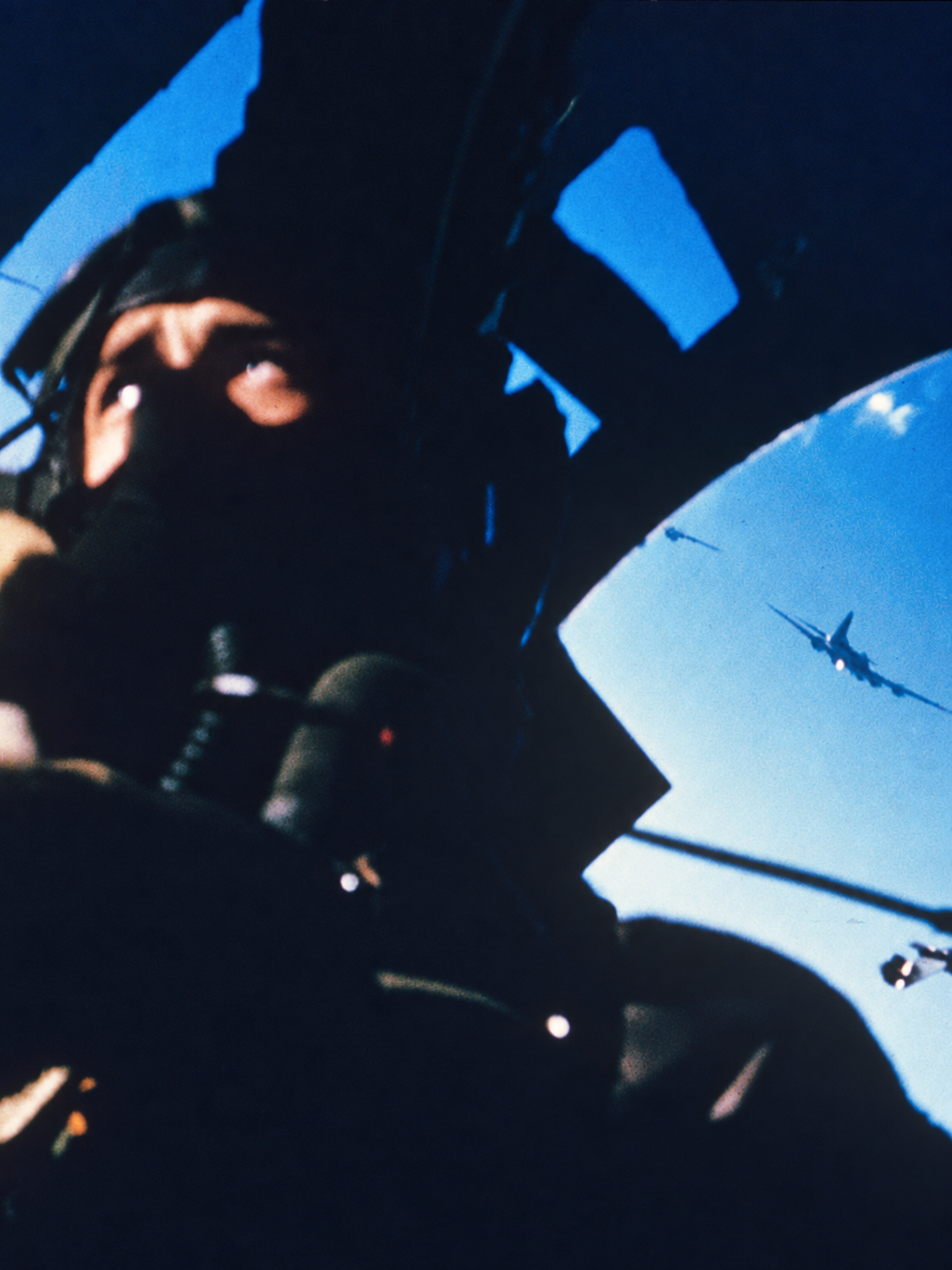
SPECIALIST FEATURELOST OVER STENDAL
LOST OVER STENDAL
Operational Pattern, Early 1945: Shared Combat Experience
The opening months of 1945 marked the heaviest operational period of Pastras’s combat career—and simultaneously that of Latches—during the most intense phase of the Eighth Air Force’s strategic bombing campaign. Although Pastras is most closely associated with Times A-Wastin’, his operational record reflects the realities of late-war bomber warfare, in which mechanical attrition, battle damage, and maintenance cycles required frequent substitution of aircraft. Squadron records document Pastras’s service in multiple B-17Gs carrying the 401st Squadron code LL-, including B-17G 43-38035 (LL-P), 43-38036 (LL-H), 43-39014 (LL-C), 43-39217 (LL-O), 42-97061 (LL-B), 43-38843 (LL-S), and other temporarily assigned airframes, before his final and fatal association with Times A-Wastin’. Across many of these sorties, Latches flew as navigator, providing continuity in mission planning, route execution, timing over target, and return navigation despite the changing aircraft.⁵ Together, Pastras and Latches flew missions ranging across western, central, and eastern Germany, directed against a wide spectrum of strategically critical objectives. These included railway marshalling yards and locomotive repair facilities at Cologne, Kassel, Halle, Aschersleben, Rheine, Salzbergen, and Stendal; industrial and armament centers at Dortmund, Gotha, Chemnitz, and Plauen; oil-related and fuel-dependent industrial targets in Hamburg and the Ruhr region; and airfields and military installations at Paderborn, Ingolstadt, Aschaffenburg, and Fassberg. Several missions penetrated the Berlin flak belt or its approaches, among the most heavily defended airspace remaining to the Luftwaffe by early 1945.⁶ Operational conditions varied widely. Some targets were attacked visually through breaks in cloud, while others required fully instrument-based bombing using H2S ground-search radar, placing increased navigational responsibility on Latches and demanding precise coordination between pilot and navigator. Formation roles likewise varied: Pastras flew in high and low squadron positions and, on occasion, in elements of lead formations, roles that imposed additional strain on aircraft handling and navigational accuracy under fire.⁷ Anti-aircraft fire remained the principal threat. Flak was frequently reported as moderate to heavy and accurate, particularly over rail hubs and industrial complexes, while enemy fighter opposition—though sharply diminished—remained an operational factor. Several sorties were flown in support of electronic countermeasures operations, with Pastras’s aircraft carrying Carpet Jammer equipment intended to disrupt German radar-directed flak and fighter control systems. On such missions, the aircraft functioned not only as a bombing platform but as an airborne electronic warfare asset, contributing directly to the protection of the wider formation during penetration and withdrawal.⁸ The cumulative strain of this operational tempo is evident in the rapid succession of long-range sorties, frequent aircraft changes, and constant exposure to dense flak belts surrounding major objectives. Throughout this period, Pastras demonstrated the steadiness and technical competence expected of an aircraft commander, flying a fully loaded B-17 for hours at altitude while maintaining formation integrity under fire. At his side, Latches carried the equally unforgiving burden of navigation, responsible for bringing aircraft and crew to the target—and, when circumstances allowed—safely home again. Behind them, the gunners endured their own relentless trial, manning exposed positions in extreme cold and constant danger, scanning the skies and defending the aircraft against fighter attack while sharing fully in the risks borne by every member of the crew.


2nd Lt. Robert F. Morris – Co-Pilot
2nd Lt. George L. Latches – Navigator
T/Sgt. Lyle D. Jones – Flight Engineer / Top Turret Gunner
T/Sgt. Robert A. Smith – Radio Operator
Sgt. Edgar L. Harrell – Ball Turret Gunner
S/Sgt. George Wong (Goon Mung Wong) – Waist Gunner
S/Sgt. Robert O. Smith – Tail Gunner
S/Sgt. Donald H. Lemons – Bombardier (Toggler)

30th July, 1945.
Cy.
P.S. Be sure to tell me of anything new.
Am enclosing under separate cover some pictures of Pete's that I got from a friend of Pete's who was developing them for him. – C.P.H."ΑΠΩΛΕΣΘΕΝΤΕΣ ΥΠΕΡΑΝΩ ΤΟΥ STENDAL
Ανθυπολοχαγός Robert F. Morris – Co-Pilot
Ανθυπολοχαγός George L. Latches – Navigator
Λοχίας/Τεχνικός Lyle D. Jones – Flight Engineer / Top Turret Gunner
Λοχίας/Τεχνικός Robert A. Smith – Radio Operator
Λοχίας Edgar L. Harrell – Ball Turret Gunner
Επιλοχίας George Wong (Goon Mung Wong) – Waist Gunner
Επιλοχίας Robert O. Smith – Tail Gunner
Επιλοχίας Donald H. Lemons – Bombardier (Toggler)
Καθώς ο σχηματισμός προσέγγιζε το Stendal, τα γερμανικά αντιαεροπορικά πυρά πύκνωσαν απότομα. Μάρτυρες από γειτονικά αεροσκάφη ανέφεραν αργότερα ότι το Time’s A-Wastin’ επλήγη από άμεσο πλήγμα αντιαεροπορικού βλήματος κοντά στην περιοχή του στόχου. Ένα βλήμα εξερράγη μεταξύ των κινητήρων Νο. 1 και Νο. 2, προκαλώντας πυρκαγιά που εξαπλώθηκε ταχύτατα κατά μήκος της εμπρόσθιας ατράκτου και της αποθήκης βομβών. Ο κινητήρας Νο. 2 άρχισε να φλέγεται έντονα, ενώ διαρροές καυσίμων επιδείνωσαν περαιτέρω την πυρκαγιά.¹⁰ Σχεδόν αμέσως, το αεροσκάφος έχασε τη συνοχή του στο σχηματισμό. Το βομβαρδιστικό ανύψωσε το ρύγχος, έστριψε απότομα προς τα δεξιά και εισήλθε σε απότομη καθοδική πορεία. Ζημιές στη δεξιά πτέρυγα και στο ουραίο πτέρωμα έγιναν ορατές, καθώς οι φλόγες τύλιγαν το εμπρόσθιο τμήμα του αεροσκάφους. Ο Λοχίας/Τεχνικός William J. Carlson περιέγραψε αργότερα το Ιπτάμενο Φρούριο σα να «στέκεται στο άκρο της πτέρυγας» πριν αρχίσει την μοιραία κάθοδό του.¹¹SERVICE & MEMORYHONORS & REMEMBRANCE
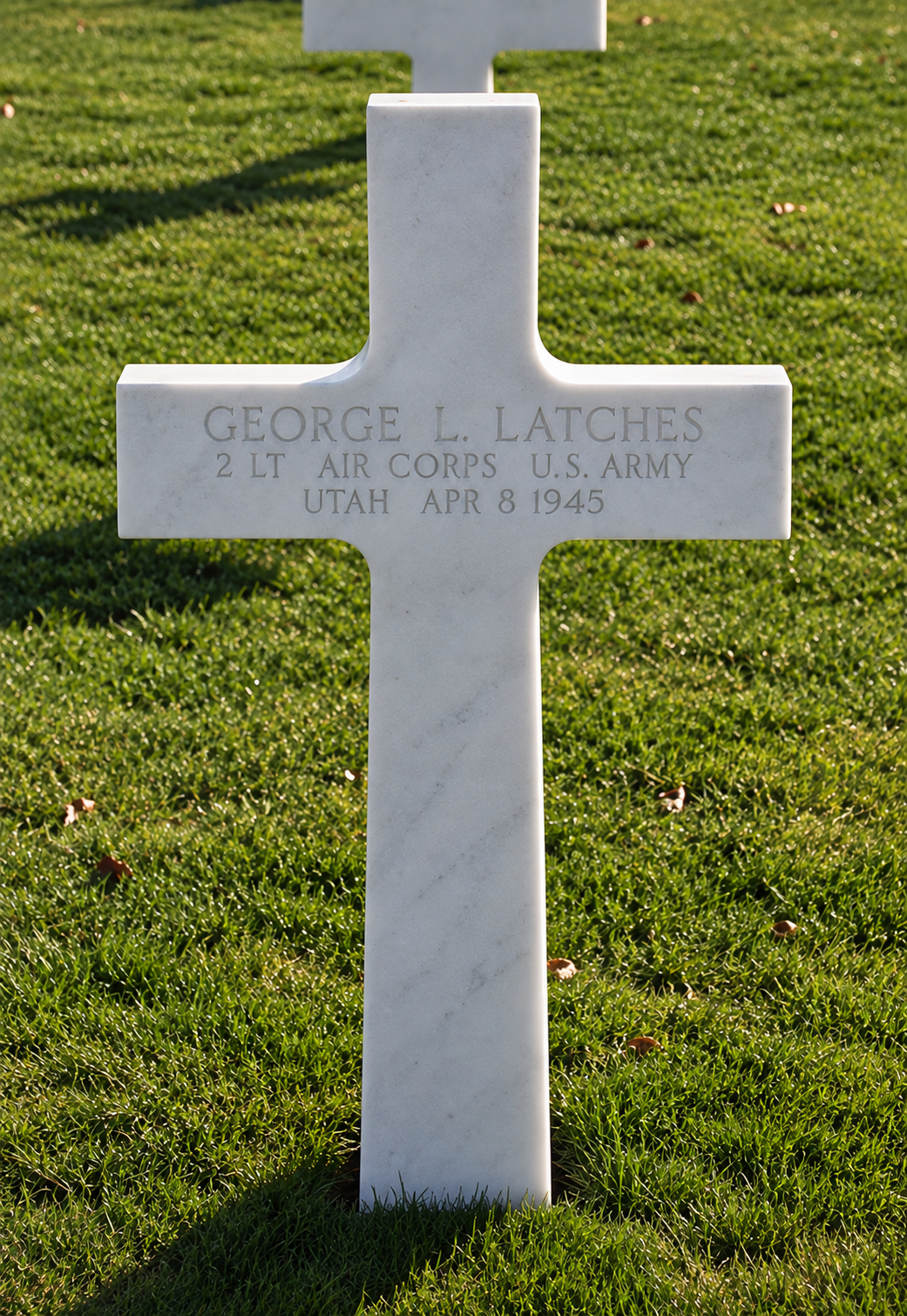
RESEARCH RECORDSOURCES & DOCUMENTATION
CONTINUE EXPLORINGRELATED AIRMEN
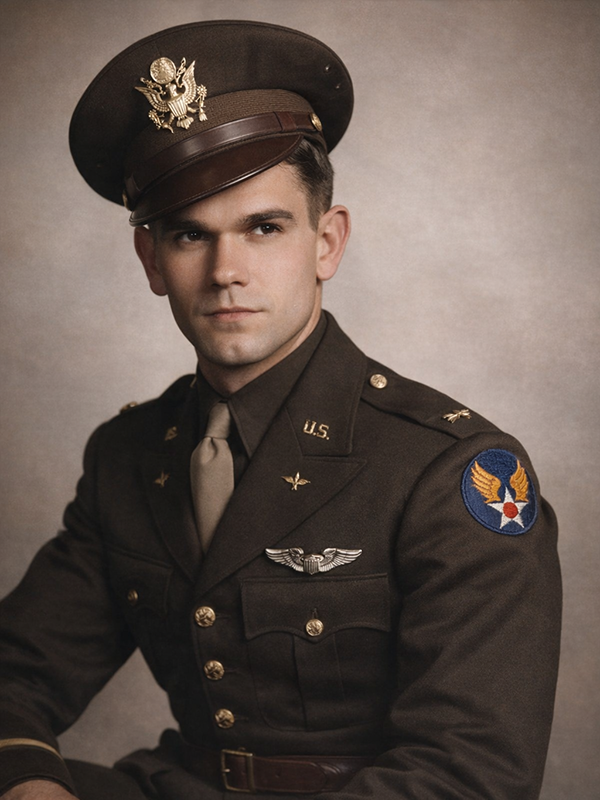

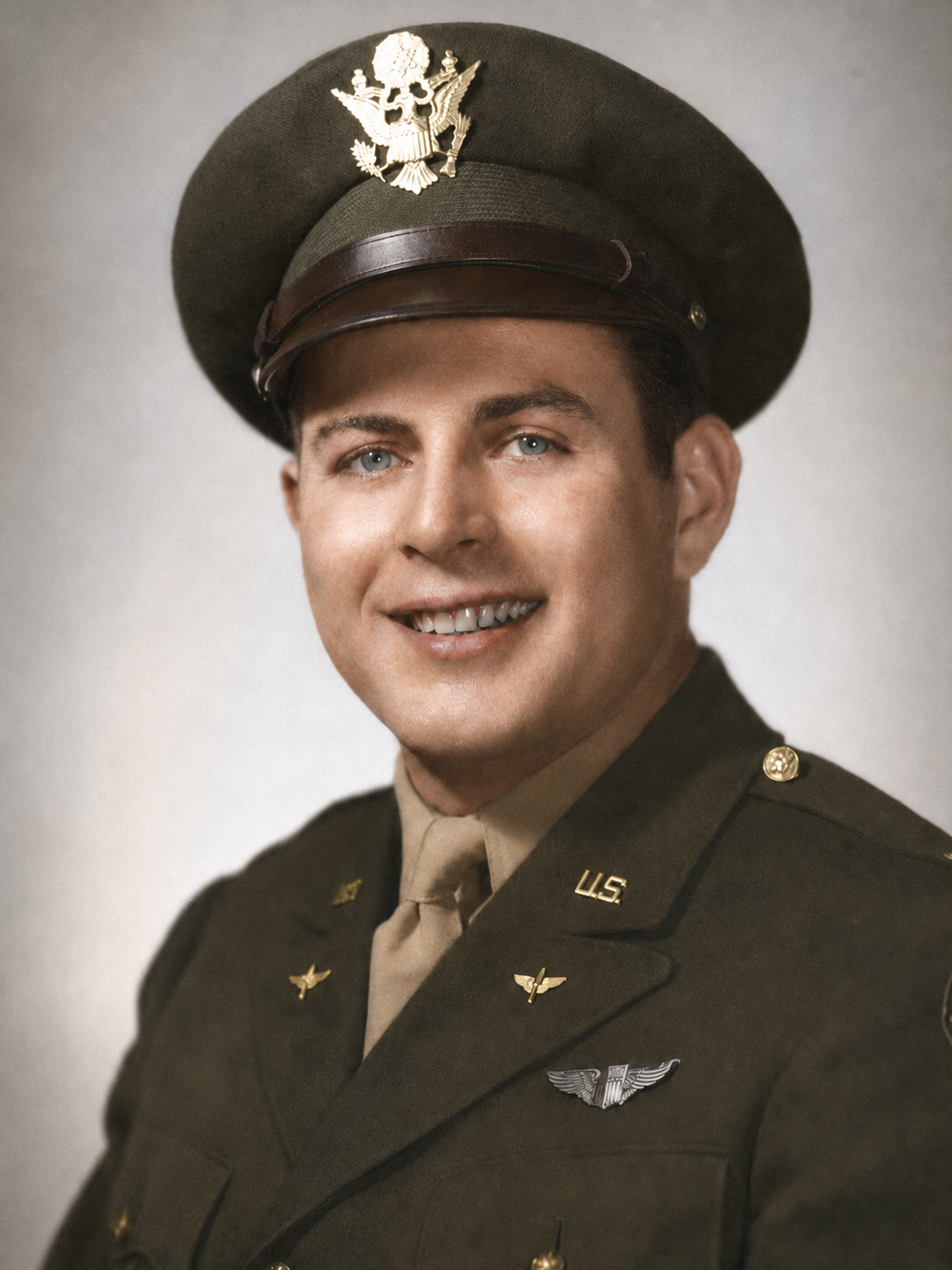

Please consider making a donation to Greeks in Foreign Cockpits to support our work !
Greeks in Foreign Cockpits — A research project under the auspices of KERM C.L.C.
Design & hosting by Bravo Bravo Aviation
© 2017-2026 Dimitris Vassilopoulos - All Rights Reserved