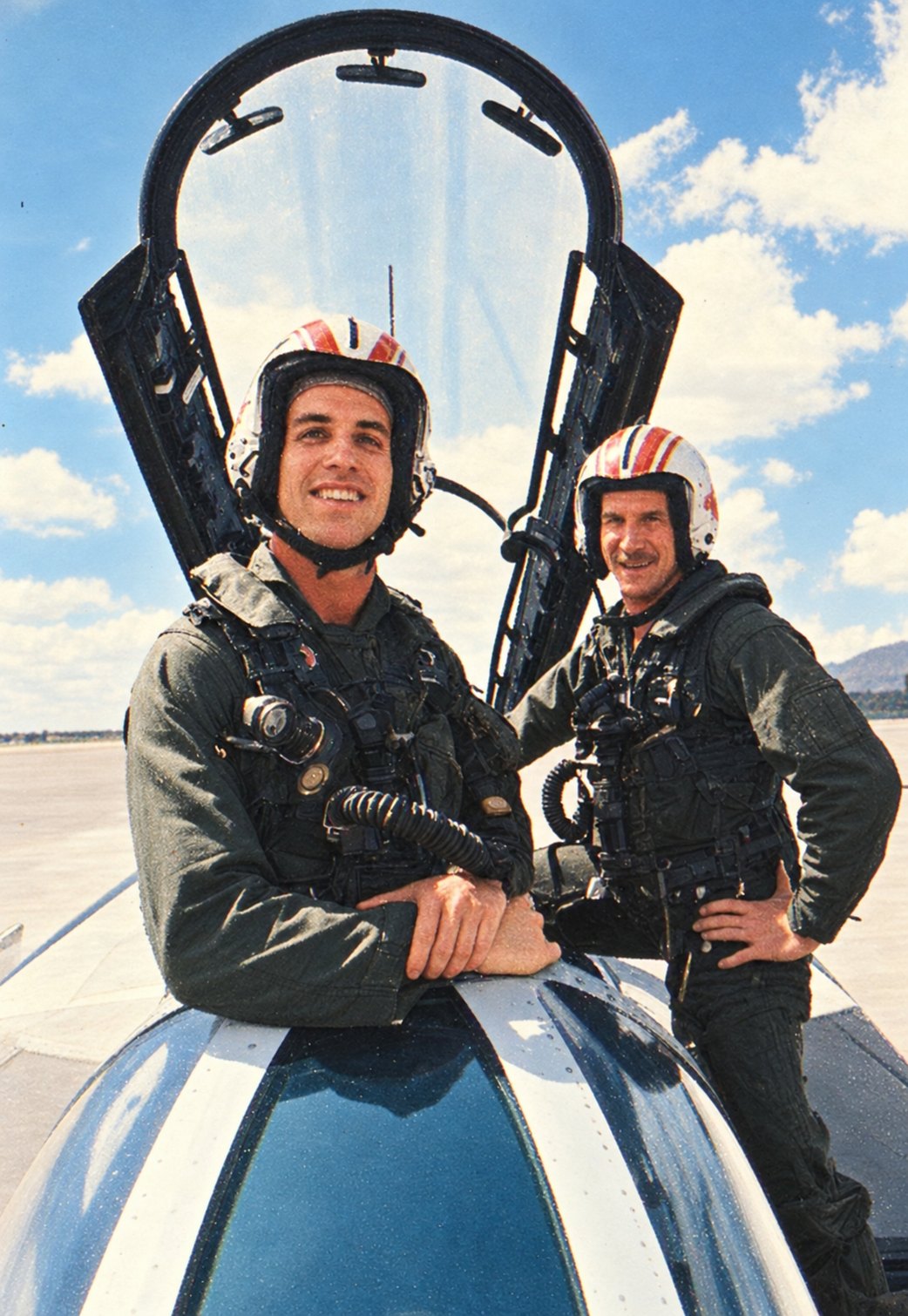
 Photo: Tom Kasser
Greeks in Foreign CockpitsUS Navy · Tomcat & Hornet
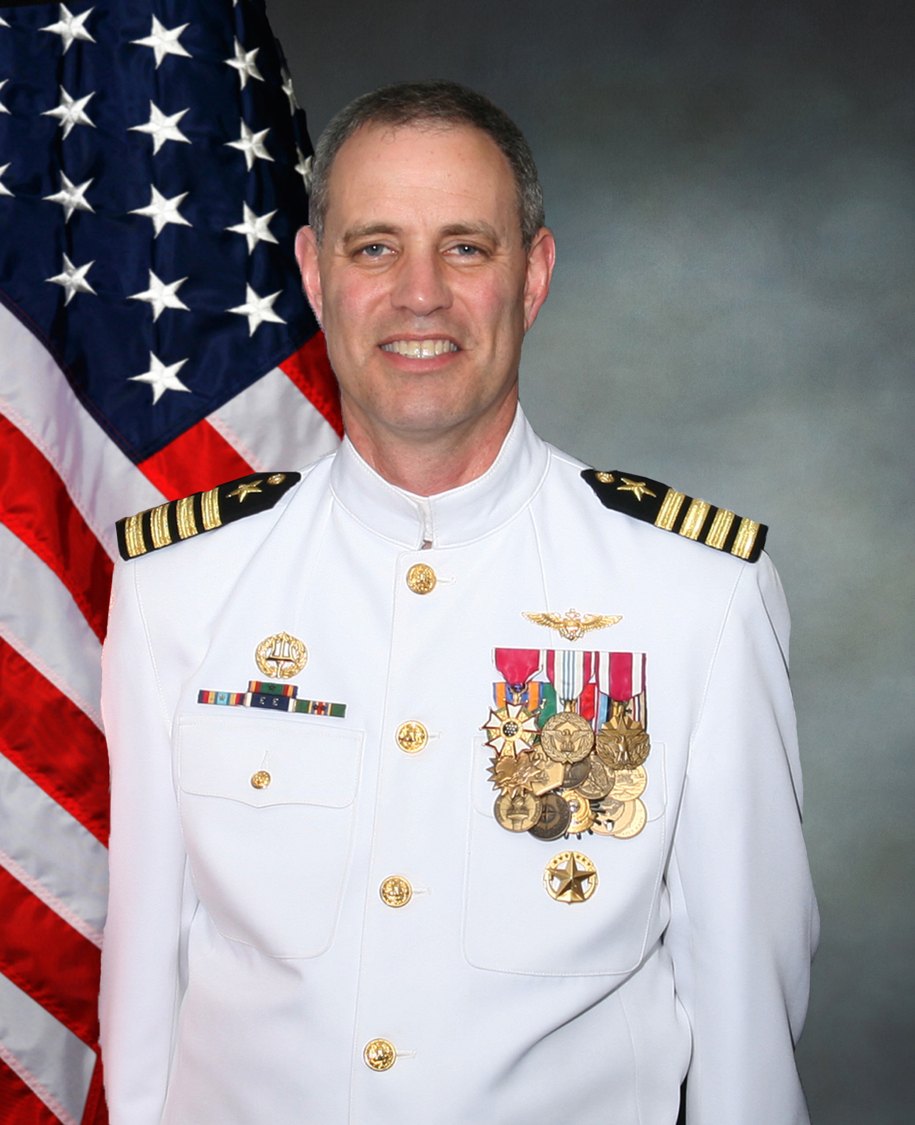
Alexander ‘Yogi’Hnarakis
Alexander ‘Yogi’Hnarakis
Class of
1983
Captain, US NavyF-14 Tomcat & F/A-18 Hornet Fighter Pilot · VF-32 ‘Gypsies’, Desert Storm · CO, VF-103 ‘Jolly Rogers’ · CO, NAWS China Lake
Alexander ‘Yogi’ Hnarakis was a third-generation Greek American naval aviator, born in Alexandria, Virginia, on 14 August 1958 to a family from Thrapsano, near Heraklion in Crete. A graduate of the US Naval Academy, he finished flight school at the top of his class in 1980 and flew the F-14 Tomcat with VF-1 ‘Wolfpack’. His Top Gun course of 1983 with his RIO David ‘Possum’ Cully, told by Ehud Yonay in California Magazine, was the story behind the film TOP GUN. He served with VF-32 in Desert Shield and Desert Storm, was the demonstration pilot for the LANTIRN tests that gave the Tomcat precision strike, and as commanding officer passed the heritage of the Jolly Rogers to VF-103. A Navy test pilot and later commanding officer of NAWS China Lake, he flew 23 aircraft types and logged more than 4,700 flight hours and 900 arrested landings. He passed away on 3 May 2018.Ο Alexander ‘Yogi’ Hnarakis (Αλέξανδρος Χναράκης) ήταν Ελληνοαμερικανός Ιπτάμενος του Ναυτικού τρίτης γενιάς, γεννημένος στην Alexandria της Virginia στις 14 Αυγούστου 1958, από οικογένεια με καταγωγή από το Θραψανό Ηρακλείου. Απόφοιτος της Ναυτικής Ακαδημίας των ΗΠΑ, ολοκλήρωσε την πτητική του εκπαίδευση πρώτος στην τάξη του το 1980 και πέταξε το F-14 Tomcat με την VF-1 ‘Wolfpack’. Η φοίτησή του στο Top Gun το 1983 μαζί με τον RIO του David ‘Possum’ Cully, όπως την κατέγραψε ο Ehud Yonay στο California Magazine, ήταν η αφορμή για την ταινία TOP GUN. Υπηρέτησε με την VF-32 στις επιχειρήσεις Desert Shield και Desert Storm, ήταν ο Ιπτάμενος των δοκιμών του LANTIRN που χάρισαν στο Tomcat δυνατότητα κρούσης ακριβείας, και ως Μοίραρχος πέρασε την παράδοση των Jolly Rogers στη VF-103. Δοκιμαστής του Ναυτικού και αργότερα Διοικητής του NAWS China Lake, πέταξε 23 τύπους αεροσκαφών με περισσότερες από 4.700 ώρες πτήσης και 900 προσνηώσεις. Απεβίωσε στις 3 Μαΐου 2018.
Dedicated to his memory by the Greeks in Foreign Cockpits team, with thanks to Dave ‘Bio’ Baranek, Dave Parsons, Charles ‘Heater’ Heatley and his cousin Christine Hnarakis.Αφιερωμένο στη μνήμη του από την ομάδα ΕΛΛΗΝΕΣ ΣΕ ΞΕΝΑ COCKPIT, με ευχαριστίες στους Dave ‘Bio’ Baranek, Dave Parsons, Charles ‘Heater’ Heatley και στην εξαδέλφη του Christine Hnarakis.
Quick Facts
- Born
- 14 August 1958Alexandria, Virginia
- Heritage
- Greek AmericanThrapsano, Heraklion · Crete
- Academy
- US Naval AcademyBS in physics · 1978
- Call sign
- ‘Yogi’RIO David ‘Possum’ Cully
- Aircraft
- F-14 · F/A-1823 aircraft types
- Flight hours
- 4,700+3,300+ on the F-14 · 900+ traps
- Command
- VF-103 · China LakeJolly Rogers · NAWS
- Died
- 3 May 2018Captain, US Navy
Born to fly
The family
- GrandfatherEmanuel Hnarakis
- FromThrapsano, Crete · 1910
- GrandmotherBessie Vasilakis
- FatherGus · US Navy
- UnclesGeorge · Army
Harry · air force - Great-uncleGregory · Cretan resistance
Writing Alexander 'Yogi' Hnarakis tribute was kind of weird to me. I knew him well through the English language articles regarding Top Gun and FLIR Integration to the mighty Tomcat but didn’t have the chance to get in touch with him, through letters and emails. His career epitomized the profession (although I prefer the word passion) of a naval aviator. I was determined to contact him and ask him to write me the prologue for our third volume of GREEKS IN FOREIGN COCKPITS, which will be published in 2020 and will feature mostly USN pilots operating from aircraft carriers during WW2. My request was addressed through a common friend and fellow naval aviator David Baranek, and I was waiting for his answer. Unfortunately, he got ill and passed away, so I missed a chance to know a great man. The least I could do was to gather all the information I found from published articles as well as various websites and newspapers in order to present to the Greek people and Greeks worldwide a remarkable aviator.
Alexander Hnarakis was of Greek parentage (third-generation Greek American) and was born in Alexandria Virginia on August 14, 1958. He was the son of Gus Hnarakis, whose father (Alex's grandfather), Emanuel Hnarakis, immigrated from the island of Crete to the US, in 1910. His heritage was from Thrapsano, a small village outside Heraklion city. In the United States, he was married to Bessie Vasilakis, who was also from Thrapsano. In fact, the two families had known each other very well. Emanuel and Bessie had 7 children, Gus, Alex's father, being one of them. Hnarakis family has a great history and many of its members both in Greece and the United States fought during WW2. His grandfather's brother Gregory Hnarakis fought during the Battle of Crete along with the rest of the Cretan population against the German Elite paratroopers. During the German occupation, he was an active member of the resistance and participated in the kidnapping of Heinrich Kreipe an operation executed jointly by the Special Operations Executive (SOE) and the Cretan resistance, under the leadership of the famous Patrick Leigh Fermor.
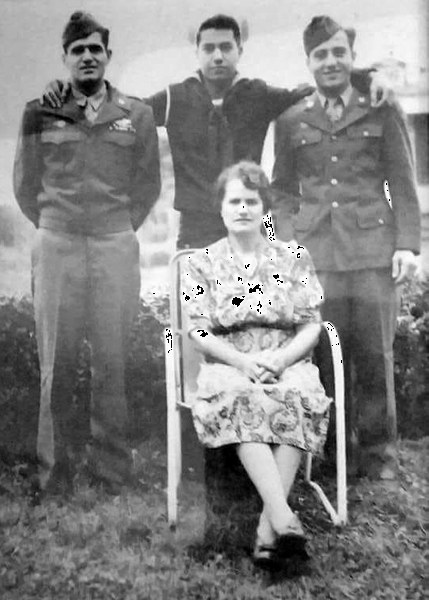
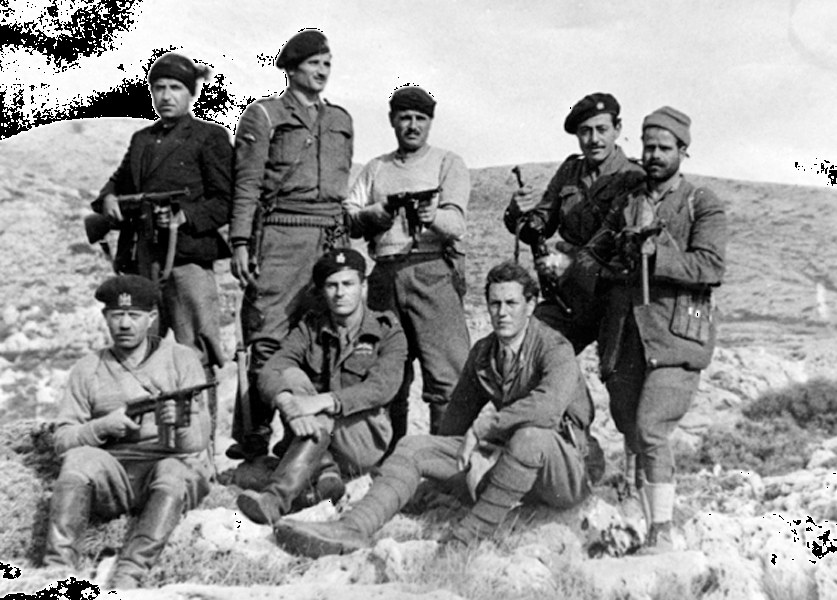
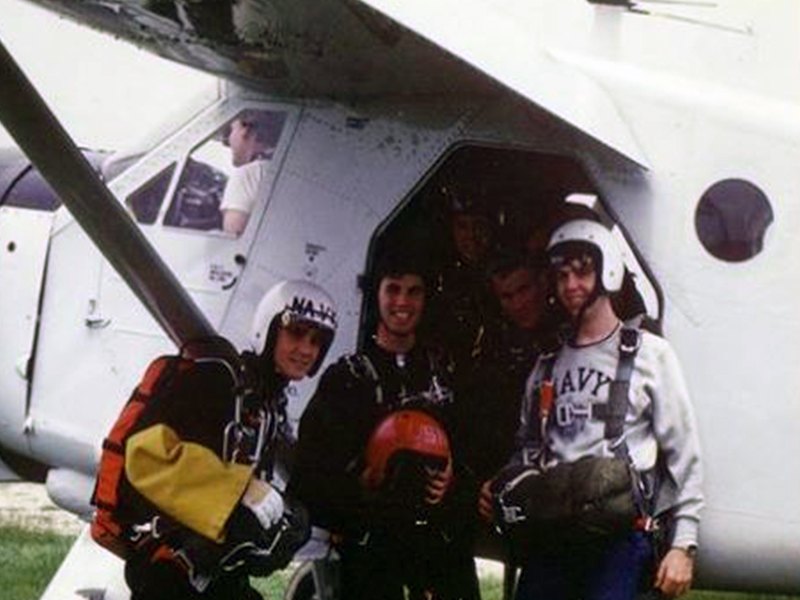
He also took part in famous raids along with SOE like the sabotage of the German airfield in Kastelli, Crete. Alex's uncle George was drafted 6 months after he graduated from high school and fought in the Battle of Bulge where he was awarded the Purple Heart. His other uncle, Harry, enlisted in the airforce and his father Gus enlisted in the Navy when the war broke out. With that heritage in his blood, it’s no wonder that Alex was also a fighter. Raised in Alexandria, VA, Alex was in the 13th Company at the Naval Academy. He raced USNA sailboats in the Annapolis-Newport, Newport-Bermuda, Marblehead-Halifax, and Block Island races. As president of the Sports Parachute Club and USPA jumpmaster, he taught fellow midshipmen skydiving, amassing 210 jumps, and competed at the Collegiate Nationals. He graduated from Annapolis with a BS in physics. Post-graduation jumps included the first demonstration jump at the Washington Monument and jumps from the Blue Angels Fat Albert for a record all-military freefall formation of 28 jumpers.
Alex wanted to fly ever since he was twelve, when in 1968 he sat in front of the TV at his parent's home in the suburbs of Washington, D.C., and watched the Apollo 8 astronauts flying around the moon. So once out of high school, he cut off his long hair, shaved his beard, and entered the U.S. Naval Academy in Annapolis, Maryland. There was a small flying school at a nearby civilian airport, and in his senior year he logged a few solo hours - it wasn't military flying, of course, more like putt-putting around inside a lawnmower with wings, but it was better than nothing. He graduated in 1978, six months before his flight training was to start, and was put on temporary duty with the VF-111 squadron at Miramar, which was just switching from F-4 Phantoms to the awesome F-14 Tomcats. Suddenly he was hanging out with real fighter pilots, sitting in on real briefings, and even hitching rides in the backseat of an A-4 Skyhawk, getting bumped and bounced and breathless pulling G's.
Alex wanted to fly ever since he was twelve
"I had to do well in flight school, because only by being at the top of the Class could I get my choice of flying fighters, and get to fly F-14s."
The family
- GrandfatherEmanuel Hnarakis
- FromThrapsano, Crete · 1910
- GrandmotherBessie Vasilakis
- FatherGus · US Navy
- UnclesGeorge · Army
Harry · air force - Great-uncleGregory · Cretan resistance
Η δημιουργία ενός αφιερώματος για τον Alex 'Yogi' Hnarakis μου ήταν κατά κάποιο τρόπο αρκετά παράξενη. Παρότι γνώριζα ήδη αρκετά γι’ αυτόν μέσω διαφόρων άρθρων για το Top Gun και την ενσωμάτωση του συστήματος FLIR στο F-14 Tomcat, ένα αεροσκάφος (Α/Φ) τόσο διάσημο, εντούτοις δεν είχα την ευκαιρία να επικοινωνήσω μαζί του με οποιονδήποτε τρόπο. Η σταδιοδρομία αυτού του ανθρώπου αποτέλεσε την επιτομή του επαγγελματισμού για έναν Ιπτάμενο του Αμερικανικού Ναυτικού (USN), παρότι θα ήταν ίσως προτιμότερη η λέξη 'πάθος' αντί του 'επαγγέλματος'. Έτσι, αποφάσισα να έρθω σε επαφή μαζί του και να του ζητήσω να γράψει τον πρόλογο του τρίτου τόμου των βιβλίων μας ΕΛΛΗΝΕΣ ΣΕ ΞΕΝΑ COCKPIT, ο οποίος προγραμματιζόταν να κυκλοφορήσει το 2020 ωστόσο εδόθηκε τον Ιούλιου του 2021. Ο τόμος αυτός περιλαμβάνει κυρίως Ιπταμένους του USN που επιχειρούσαν σε αεροπλανοφόρα κατά τη διάρκεια του Β΄ ΠΠ. Μέσω ενός κοινού μας φίλου, του David Baranek, πρώην Ιπταμένου του USN, απεύθυνα στον Alex 'Yogi' Hnarakis το αίτημά μου και περίμενα την απάντησή του. Δυστυχώς στο ενδιάμεσο, αντιμετώπισε ένα σοβαρό πρόβλημα υγείας και τελικά απεβίωσε, με αποτέλεσμα να χαθεί η ευκαιρία να γνωρίσω από κοντά αυτόν τον σπουδαίο άνθρωπο.
Οπότε, το ελάχιστο που θα μπορούσε να γίνει ήταν να συγκεντρώσω όσες περισσότερες πληροφορίες μπορούσα, με σκοπό να παρουσιάσω ένα αφιέρωμα γι’ αυτόν τον ξεχωριστό αεροπόρο στους απανταχού Έλληνες, τόσο στην Ελλάδα όσο και στο εξωτερικό. Ο Alexander Hnarakis (Αλέξανδρος Χναράκης) ήταν Ελληνοαμερικανός 3ης γενιάς και γεννήθηκε στην Alexandria της Virginia, στις 14 Αυγούστου 1958. Ήταν γιος του Gus Hnarakis (Μανώλης Χναράκης), του οποίου ο πατέρας, Αλέξανδρος Χναράκης μετανάστευσε στην Αμερική από το Θραψανό Ηρακλείου το 1910. Στις ΗΠΑ παντρεύτηκε την συγχωριανή του, Μπέσσυ Βασιλάκη (Bessie Vasilakis), καθώς οι δύο οικογένειες γνωριζόταν ήδη πολύ καλά. Ο Μανώλης και η Μπέσσυ Χναράκη απέκτησαν επτά παιδιά, ένα εκ των οποίων ήταν ο Μανώλης (Gus), πατέρας του Αλέξανδρου (Alex). Την οικογένεια Χναράκη ακολουθεί μία σημαντική ιστορία και παράδοση και πολλά από τα μέλη της πολέμησαν στον Β΄ ΠΠ τόσο στις ΗΠΑ όσο και στην Ελλάδα. Ο Γρηγόρης Χναράκης, αδελφός του παππού του Alex, πολέμησε στη μάχη της Κρήτης το 1941 κατά των Γερμανών αλεξιπτωτιστών. Κατά τη διάρκεια της Γερμανικής κατοχής ήταν (Γρηγόρης Χναράκης) ενεργό μέλος της αντίστασης και συμμετείχε στην περίφημη αλλά και ριψοκίνδυνη απαγωγή του Στρατηγού Heinrich Kreipe υπό την ηγεσία του Patrick Leigh Fermor και με συμμετοχή αντιστασιακών ομάδων και των Special Operations Executive (SOE).
Επίσης, πήρε μέρος στις περίφημες επιδρομές των SOE, όπως για παράδειγμα στο αεροδρόμιο του Καστελλίου Πεδιάδος. Ο θείος του Alex κατατάχθηκε 6 μήνες μετά την αποφοίτησή του από το Γυμνάσιο και πολέμησε στη μάχη των Αρδεννών κατά τη διάρκεια της οποίας, κέρδισε το παράσημο της Μωβ Καρδιάς (Purple Heart). Ο άλλος του θείος, ο Harry, κατετάγη στην Αεροπορία και ο πατέρας του Gus κατετάγη κι αυτός στο Ναυτικό όταν ξέσπασε ο πόλεμος. Με αυτή την παράδοση στο αίμα του, δεν είναι καθόλου παράξενο που ο Alex ήταν ένας μαχητής. Μεγαλωμένος την Alexandria, ο Alex ήταν στην 13η Διμοιρία της Σχολής Ναυτικών Δοκίμων και αγωνίστηκε σε αγώνες ιστιοπλοΐας, στην κατηγορία USNA. Αποφοίτησε από την Ναυτική Ακαδημία με πτυχίο στη Φυσική. Ως πρόεδρος της αεραθλητικής λέσχης αλεξιπτωτιστών και της Εθνικής Ομοσπονδίας Αλεξιπτωτιστών εκπαίδευσε συναδέλφους του στη πτώση με αλεξίπτωτο, επιτυγχάνοντας συνολικά 210 άλματα στους παναμερικανικούς κολεγιακούς αγώνες. Πραγματοποίησε πτώσεις επίδειξης στο Washington Monument και συμμετείχε σε άλμα από το ειδικά διαμορφωμένο Α/Φ C-130 Fat Albert των Blue Angels για την κατάκτηση του πανεθνικού ρεκόρ σε άλμα μόνο από στελέχη των Ενόπλων Δυνάμεων, μαζί με άλλους 28 αλεξιπτωτιστές.
Ο Alex ήδη από την ηλικία των 12 όταν παρακολούθησε το 1968 στην τηλεόραση τον περίπατο των αστροναυτών στη Σελήνη, ήθελε να γίνει αεροπόρος. Έτσι, αμέσως μετά την αποφοίτηση από το Λύκειο, αφού κούρεψε και ξύρισε τα γένια του, εισήλθε στην Ναυτική Ακαδημία του USN στην Annapolis του Maryland. Εκεί, στο κοντινό αεροδρόμιο, υπήρχε μία μικρή σχολή Α/Φ από την οποία κατά την διάρκεια του τελευταίου έτους, μπόρεσε να πετάξει κάποιες ώρες solo με κάτι που παρότι έμοιαζε περισσότερο με μηχανή του γκαζόν με φτερά, εντούτοις ήταν αρκετό για την περίπτωσή του. Αφού αποφοίτησε το 1978, εν αναμονή της αρχικής πτητικής εκπαίδευσης του, τοποθετήθηκε προσωρινά στη Μοίρα VF-111 που έδρευε στη Miramar και η οποία την περίοδο εκείνη παραλάμβανε τα περίφημα F-14 Tomcats. Έτσι, ξαφνικά βρίσκεται ανάμεσα σε Ιπταμένους πρώτης γραμμής, παρακολουθεί ενημερώσεις και απενημερώσεις και κάποιες φορές έχει την ευκαιρία να πετάξει ως επιβάτης στη πίσω θέση σε ένα A-4 Skyhawk νιώθοντας τα Gs και ότι αυτά συνεπάγονται. Σύμφωνα με τις αναμνήσεις του, όλα αυτά τον κυρίευσαν με ένα απίστευτο πάθος, εντούτοις, η κατάκτησή τους είχε ένα ακριβό τίμημα.
Ήδη από την ηλικία των 12 ήθελε να γίνει αεροπόρος
«Θα έπρεπε να επιτύχω υψηλές επιδόσεις ανάμεσα στους συμμαθητές μου, διότι μόνο έτσι θα είχα την πιθανότητα να επιλεγώ να πετάξω το F-14».
 Charles ‘Heater’ Heatley
Top Gun
In September 1980 he finished flight school at the top of his class and, with his new gold wings glistening on his tropical khakis, headed for the VF-124 squadron at Miramar. Yogi had flown jets in flight school – the T-2 Buckeye and A-4 Skyhawk – but moving up to the F-14 Tomcat meant crossing the magic line that separates the men from the boys. By the fall of 1981 Yogi and Possum had finished their training at VF-124 and were assigned to their permanent squadron, the VF-1 'Wolfpack'. And on April 7, 1982, the Wolfpack took off from Miramar and landed aboard the USS Ranger, already underway 100 miles south of San Diego. It would be six months before they'd be back. But then the Ranger reached the Indian Ocean and stayed there for 101 days, and the fun was over. It finally dawned on Yogi that yanking and banking have a deadly intent. One day an order came over the carrier's speakers, and Yogi and Heater blasted off the deck like human cannonballs, their F-14s loaded to the gills with live ammo. Heading their way was a massive Russian plane that looked like a transport but could have been anything. As they escorted the plane away, Yogi edged up so close that he could look over and see the Russians in their cockpit, staring at him and snapping photographs.
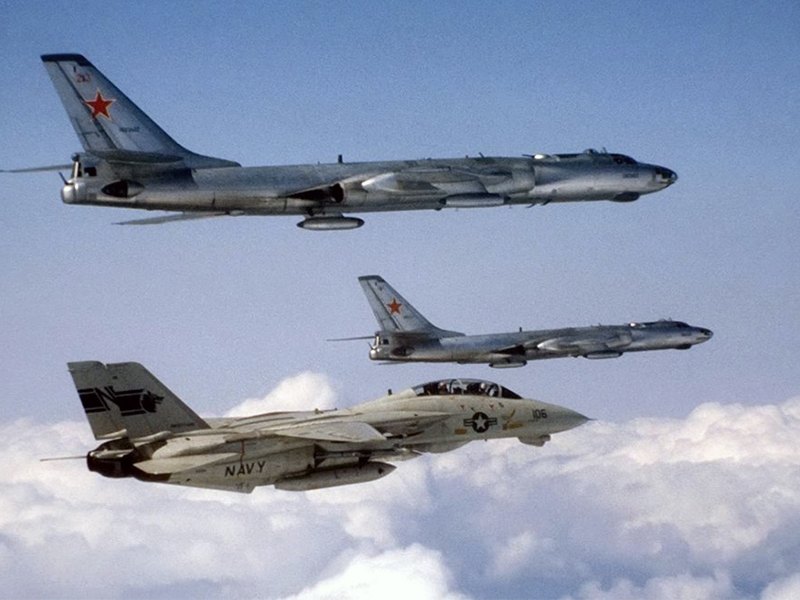
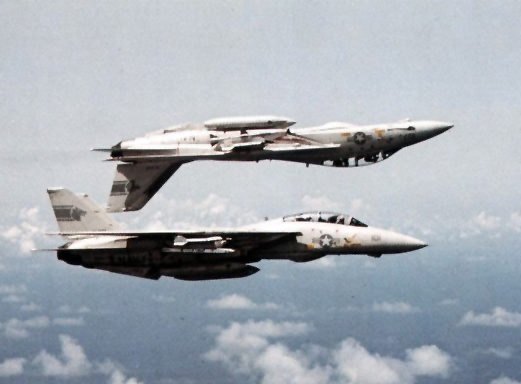
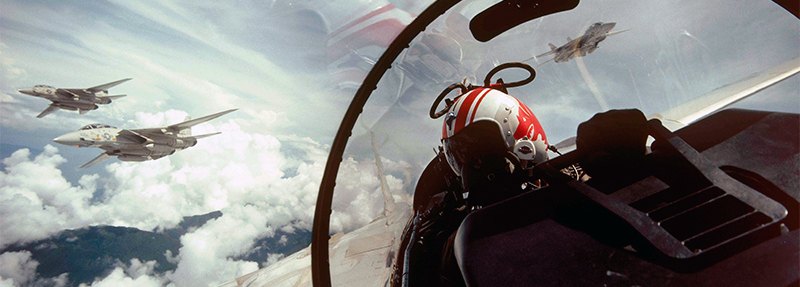
He waved the way one does when someone is taking pictures, but the Russians didn't wave back - not even when Yogi's backseater took their picture. Yogi and Possum flew at least once a day off the Ranger, but most flights were ordinary patrols or exercises. There was little air combat, except when a few F-14 drivers would head out to a randomly selected "MiG alley" over the ocean and practice dogfighting. Though Yogi would dogfight with the best of them, he was almost too serious for the Wolfpack crowd, and he tried to use those long ocean flights to improve his flying skills. "He was like a sponge, soaking it all in", says Heater, once an instructor at Top Gun and Yogi's instructor on the cruise. They spent hours talking tactics in the briefing room before and after missions and in the dining room during meals, and then Heater began teaching Yogi classic air maneuvers such as the "vertical egg", in which two planes chase each other in ever-widening vertical loops. On January they were told to report to Top Gun for air combat training. Now they would learn what being a fighter pilot is really all about. Both Yogi and Possum had a great time and experienced thrilling experiences training among the best of the best. Their first experiences with their instructor didn't have a good ending as described in Ehud Yonay's article in California Magazine in May 1983:
He was like a sponge, soaking it all in
Ehud Yonay · California Magazine · May 1983
Over international waters some 30 miles off Ensenada, a voice crackles over the radio to warn of two bogeys 20 miles south. "Fight's on," says Yogi, who is the pilot, or "stick," and sits up front. "Roger," says Possum, the radar intercept officer, or "backseater." He's already bent over his radarscope, punching buttons and looking for the tiny blips of the bogeys - hotshot instructors from Top Gun, the Navy Fighter Weapons School, flying their deadly little F-5s. With that, Yogi stops jinking, peels off to the right, and pushes the throttle all the way into the afterburner. As twin white-hot flames shoot out from the plane's exhaust nozzles, the magnificent silver machine explodes forward, slamming into their backs like a truckload of bricks and hurling them through the sound barrier. Yogi has rehearsed this kill in his mind a dozen times. He'll cut the first bogey off at the pass with a head-on missile shot, and then, breaking and rolling to avoid getting hit, he'll rein the plane in and pull it around like Ivanhoe at the end of the first joust and come racing back across the skies for the other. Great fighter pilots are always ahead of their planes, and, as his adrenaline surges up, Yogi's eyes bore into the empty blue space before him, looking for the bogeys. Nothing can stop him now. That's when it happens. Suddenly a soft voice is saying "Atoll" in the earphones, and by the time Possum spots the little F-5 behind them it's too late. They've been racing fat and dumb and happy like a dodo bird, and the F-5 painted in desert camouflage, no less, which stands out against the blue like a billboard - just rolled in out of nowhere, got on their tail, and simulated slipping a heat-seeking missile up their exhaust pipe. Atolls are the air-to-air missiles that Russian-built MiG-21s carry, but in this exercise, the word means, "Up yours, guys, you're dead and going home with your tail between your afterburners." Their glorious hop is all screwed up.
They had to learn the hard way and they did. Yogi and Possum finished the Top Gun course at the end of February 1983. As their class picture went up in the briefing room and they received their new Top Gun flight jacket patches, the news came that the Wolfpack was named the top fighter squadron on the West Coast. Alex's skills improved dramatically and one of his fellow aviators Mark Wheless commented that:
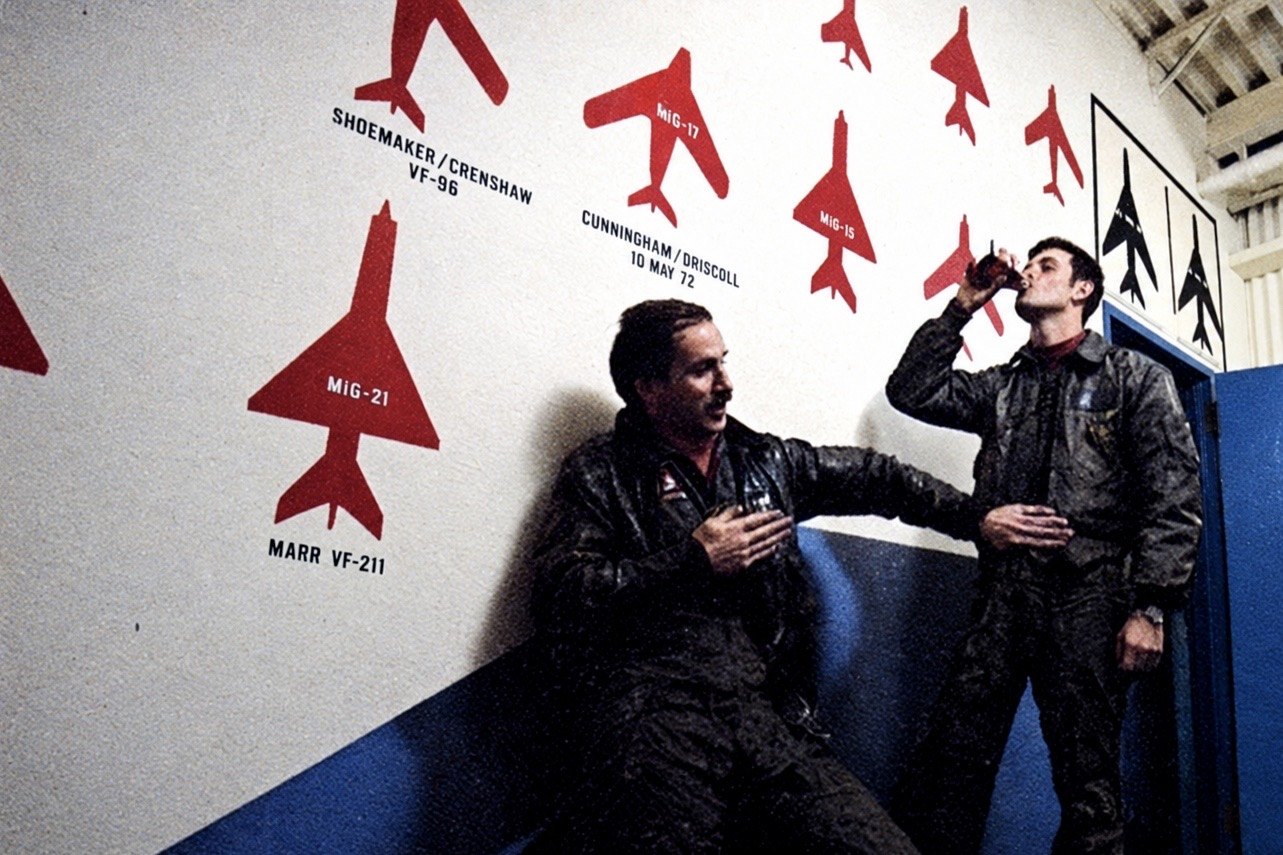
"'Yogi' could snap some G's of the jet like no other. My last flight with 'Yogi' was on Oct. 8, 1990. A Good Man."
For more details regarding Top Gun and Alex, please read the whole Ehud Yonay article in California Magazine, in the excellent website of Dave 'Bio' Baranek, at the following links: http://www.topgunbio.com/top-guns-by-ehud-yonay/ and http://www.topgunbio.com/guest-author-yogi-on-top-guns/.
Τον Σεπτέμβριο του 1980 περάτωσε την πτητική του εκπαίδευση πρώτος στη τάξη του και με το απαστράπτον διακριτικό του Ιπταμένου στη χακί στολή του, παρουσιάστηκε στην Μοίρα VF-124 στον Αεροναύσταθμο NAS Miramar στο San Diego, αφού είχε εκπαιδευτεί στα Α/Φ Τ-2 Buckeye και Α-4 Skyhawk. Βέβαια, το να τοποθετηθεί στα F-14 Tomcat, αποτελούσε ένα τεράστιο άλμα. Το φθινόπωρο του 1981, ο Hnarakis και ο Possum περάτωσαν την εκπαίδευσή τους στη Μοίρα VF-124 και τοποθετήθηκαν στην VF-1 'Wolfpack', επίσης στον NAS Miramar. Τον επόμενο Απρίλιο, η VF-1 'Wolfpack' εντάχθηκε ως οργανική Μοίρα στο USS Ranger το οποίο βρισκόταν ήδη εν πλω, 100 ν.μ. από το San Diego και δεν πέρασαν λιγότεροι από 6 μήνες πριν επιστρέψουν ξανά στην στεριά. Το USS Ranger κατευθύνθηκε στον Ινδικό Ωκεανό όπου και παρέμεινε για 101 ημέρες. Εκεί ο 'Yogi' συνειδητοποίησε ότι οι πτήσεις δεν ήταν απλά εκπαίδευση αλλά μπορούσαν να πάρουν και θανάσιμη τροπή. Μία μέρα, εντελώς ξαφνικά πήραν διαταγή να απογειωθούν άμεσα πλήρως οπλισμένοι.
Κατευθυνόμενοι προς τον στόχο τους, φαινόταν ότι μάλλον θα αναχαίτιζαν ένα μεγάλο ρωσικό μεταγωγικό Α/Φ, αλλά φυσικά θα μπορούσε να είναι οτιδήποτε. Καθώς συνόδευαν το ρωσικό Α/Φ, ο Hnarakis προσέγγισε τόσο κοντά που μπορούσε να δει το ρωσικό πλήρωμα να τραβάει φωτογραφίες. Παρότι χαιρέτησε τους Ρώσους, αυτοί δεν αποκρίθηκαν ακόμα κι όταν ο 'Possum', στη πίσω θέση, τους αποθανάτιζε με την φωτογραφική του μηχανή. Οι δυο τους πετούσαν τουλάχιστον μία φορά την ημέρα από το USS Ranger, κυρίως περιπολίες ρουτίνας ή προγραμματισμένες εκπαιδεύσεις. Οι πτήσεις εναέριας μάχης ήταν λίγες εκτός από κάποιες περιπτώσεις που εκπαιδευόταν σε κλειστές αερομαχίες. Παρ’ ότι πετούσε εναντίον πολύ καλών αντιπάλων, το μυαλό του ήταν συνέχεια στο πως θα βελτιώνει συνεχώς τη δική του πτητική δεινότητα.
«Ήταν ως ένα σφουγγάρι απορροφώντας και αφομοιώνοντας τα πάντα», έλεγε ο 'Heater' ο οποίος ήταν παλαιότερα εκπαιδευτής στο Top Gun και ο εκπαιδευτής του Hnarakis εν πλω στο USS Ranger. Μιλούσαν για ώρες για τακτικές και ο 'Heater' άρχισε να διδάσκει τον Hnarakis τους βασικούς ελιγμούς εναέριας μάχης όπως π.χ. το "vertical egg" όπου τα δύο Α/Φ συνοδεύουν το ένα το άλλο, σε συνεχώς αυξανόμενης ακτίνας loops (προφανώς λόγω πτώσης ταχύτητας). Τον Ιανουάριο, ο Hnarakis και ο Cully ενημερώθηκαν ότι είχαν επιλεγεί να φοιτήσουν στο Top Gun. Εκεί και οι δύο, είχαν εξαιρετικές εμπειρίες ανάμεσα σε κορυφαίους Ιπταμένους που ήταν ανάμεσα στους άριστους των αρίστων. Εντούτοις, η πρώτη συνάντηση με τον εκπαιδευτή τους δεν εξελίχθηκε καλά, όπως θυμάται ο Ehud Yonay στο άρθρο του στο California Magazine, τον Μάιο του 1983:
Ήταν ως ένα σφουγγάρι απορροφώντας και αφομοιώνοντας τα πάντα
Απόσπασμα από το άρθρο του Ehud Yonay στο California Magazine, Μάιος 1983
Ενώ βρισκόταν σε διεθνή ύδατα περίπου 30 ν.μ. από την Ensenada της Καλιφόρνια, η φωνή του ελεγκτή ενημέρωνε για δύο άγνωστα ίχνη 20 ν.μ. νοτιότερα. "Fight's on" λέει ο 'Yogi' έχοντας στη πίσω θέση τον 'Possum' ως RIO ο οποίος υπακούει και αναφέρει "Roger" και ήδη ψάχνει να εντοπίσει τους στόχους στο ραντάρ του. Οι στόχοι αυτοί ήταν οι έμπειροι εκπαιδευτές του Top Gun με τα ιδιαίτερα αποτελεσματικά F-5. Με αυτά στο μυαλό, ο Hnarakis σπρώχνει τους δύο μοχλούς ισχύος (μανέτες, στην αεροπορική ορολογία) των δύο κινητήρων του σε πλήρη μετάκαυση (afterburner). Καθώς τα ακροφύσια των κινητήρων άφηναν πίσω αυτές τις φλεγόμενες ουρές, αυτό το καταπληκτικό ασημί αεροπλάνο ξεχυνόταν μπροστά κολλώντας στο κάθισμα το πλήρωμα, για να ξεπεράσει μετά από λίγο το φράγμα του ήχου (> 1 Mach). Ο Hnarakis είχει προετοιμαστεί και είχε προσομοιώσει αυτή τη βολή δεκάδες φορές. Θα «κατέρριπτε» τον πρώτο αντίπαλο με μία βολή εμπροσθίου ημισφαιρίου (head-on) και μετά στρέφοντας σκληρά για να αποφύγει μία πιθανή βολή θα απομακρυνόταν γρήγορα (ως καβαλάρης πάνω στο άλογό του) εκτός της περιοχής θραυσμάτων (Fireball, στην αεροπορική ορολογία) για να επανεμπλακεί με σκοπό να καταρρίψει και τον δεύτερο αντίπαλο. Με την αδρεναλίνη να βρίσκεται στα ύψη πλέον, ο Hnarakis ψάχνει κατ’ ευθείαν μπροστά για να εντοπίσει τον αντίπαλο. Τίποτα δεν μπορεί να τον σταματήσει τώρα πια. Και τότε είναι που συμβαίνει κάτι άλλο. Μια ήρεμη φωνή στον ασύρματο ξαφνικά λέει "Atoll" και τη στιγμή που ο 'Possum' εντοπίζει εκείνο το μικρό και δυσδιάκριτο F-5 στην ώρα τους '6', είναι πλέον αργά. Πετώντας με αυτοπεποίθηση με αυτό το επιβλητικό Α/Φ, εκείνο το F-5 βαμμένο με μία παραλλαγή ερήμου που φαινόταν ως διαφημιστική πινακίδα με φόντο το γαλάζιο του ουρανού, είχε απλώς έρθει από το πουθενά, τους πήρε την ώρα '6' τους, και απλά τους κατέρριψε με ένα βλήμα IR. Τα βλήματα 'Atoll' είναι ρωσικά βλήματα αέρος-αέρος τα οποία φέρονταν από τα MiG-21, αλλά για αυτή τη περίπτωση ήταν απλά..«παιδιά, είστε kill και επιστρέφετε για προσγείωση με την ουρά στα σκέλια».
Η προσεκτική και άρτια σχεδίαση τους αλλά και ο συνακόλουθος ελιγμός τους, είχαν αποτύχει εντελώς. Αυτό πολύ απλά σήμαινε ότι είχαν πολλά να μάθουν, και θα τα μάθαιναν με τον δύσκολο τρόπο. Ο Hnarakis και ο Cully περάτωσαν την εκπαίδευση τους στο Top Gun στο τέλος Φεβρουαρίου του 1983. Καθώς έβγαζαν την αναμνηστική φωτογραφία της Σειράς τους και έπαιρναν τα σήματα του Σχολείου για το jacket τους, οι 'Wolfpacks' ανακηρυσσόταν ως η κορυφαία Μοίρα της Δυτικής Ακτής. Η πτητικές ικανότητες του Hnarakis βελτιώθηκαν δραματικά με έναν από τους συναδέλφους του, τον Mark Wheless να θυμάται ότι:
«Ο Hnarakis μπορούσε να εκμεταλλεύεται τα δομικά όρια του αεροσκάφους όπως κανένας άλλος. Η τελευταία μου πτήση με τον Hnarakis ήταν τον Οκτώβριο του 1990. Ήταν ένας πραγματικά ωραίος τύπος».
Περισσότερες πληροφορίες σχετικά με το Top Gun και τον Hnarakis, μπορεί να βρει κάποιος στον άρθρο του Ehud Yonay στο California Magazine, στους συνδέσμους: http://www.topgunbio.com/top-guns-by-ehud-yonay/ και http://www.topgunbio.com/guest-author-yogi-on-top-guns/.
Tomcats & Hornet
Four aircraft from his career, in the profiles Tom Cooper made for this tribute.Τέσσερα αεροσκάφη της σταδιοδρομίας του, στις πλάγιες όψεις που δημιούργησε ο Tom Cooper για αυτό το αφιέρωμα.
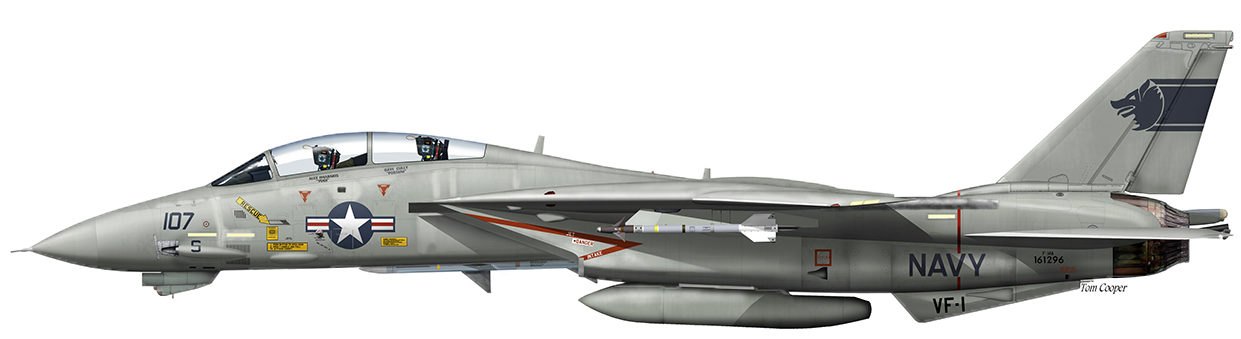
F-14A Tomcat · 161296
- Type
- F-14A Tomcat
- BuNo
- 161296
- Code
- 107
- Unit
- VF-1 Wolfpack
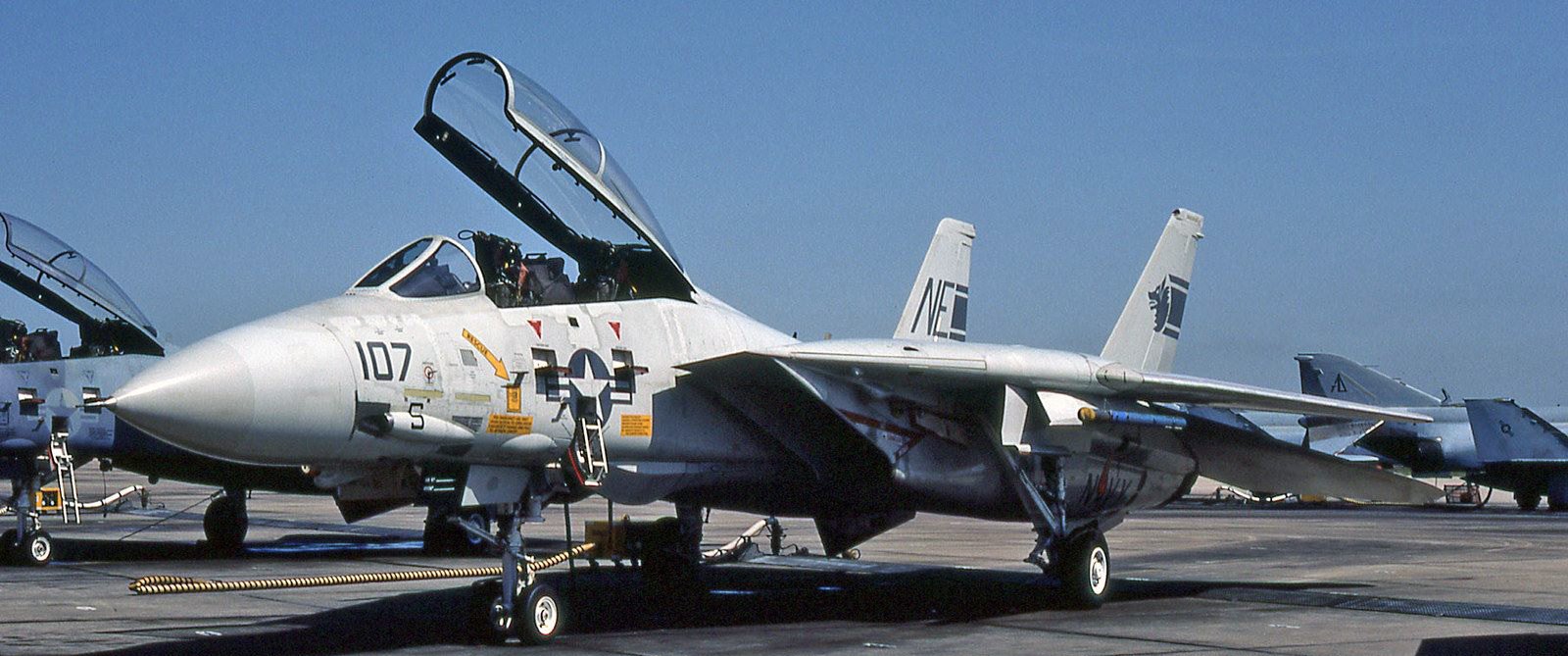
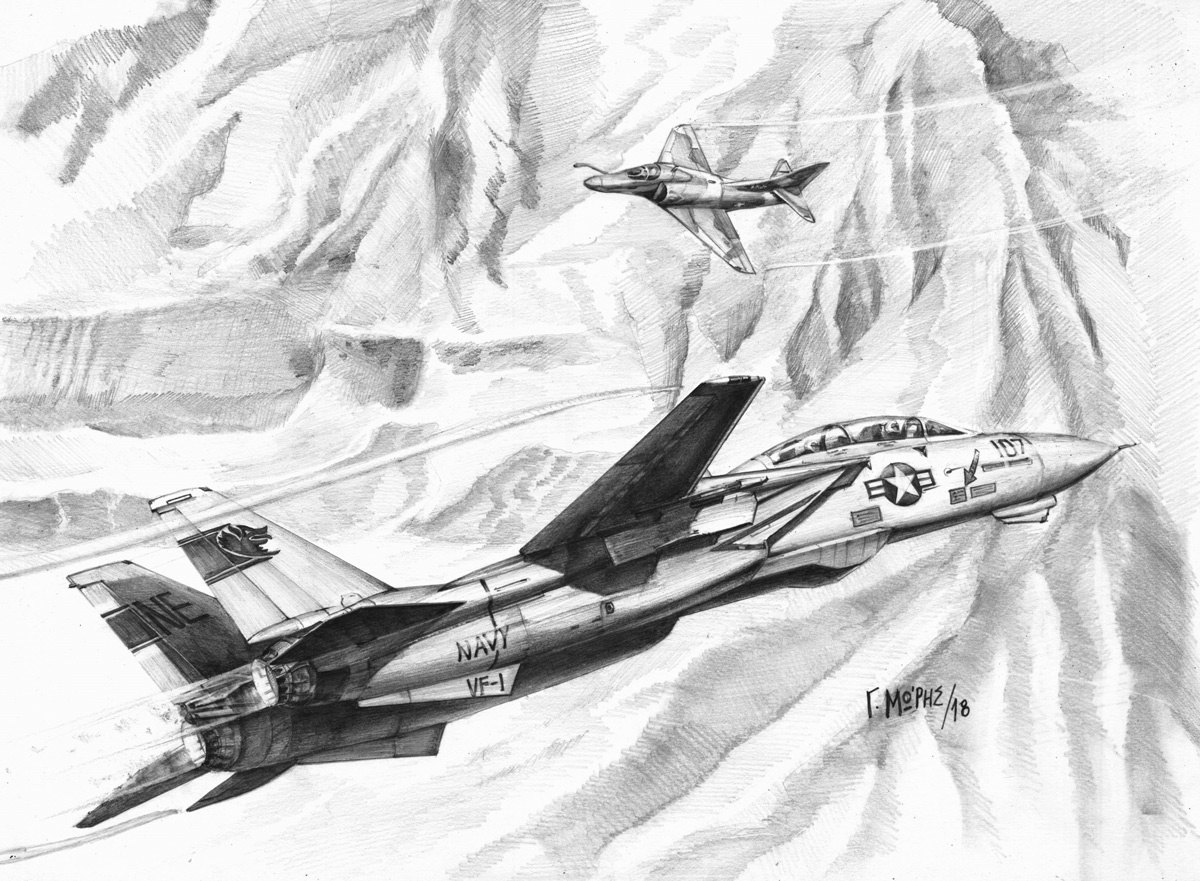
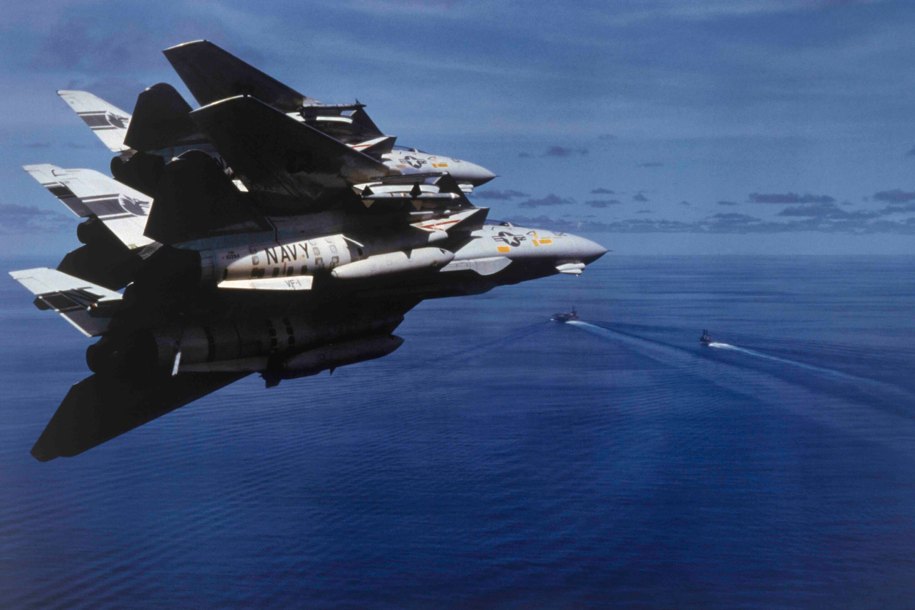
The F-14A BuNo. 161296 was the Tomcat in which Hnarakis flew while attending the TOP GUN class in 1983. A typical Wolfpack Tomcat in the dawn of the low visibility markings era. Hnarakis was a good dogfighter and according to his fellow aviator Mark Wheless: "'Yogi' could snap some G's of the jet, like no other. Thevy pilots could turn and burn like no other although they had their limitations also: According to former VF-1 pilot, John R. Chesire CDR USNR (Ret.): The troublesome TF-30 fan engine in the early F-14A severely limited it in the dogfight arena. That engine had a tendency to compressor stall at a higher angle of attack. The later F-14D model with vastly improved engines (F110-GE-400) made it a superior dogfighter. However, the F-14 did not fight well when slow. As long as one kept their speed up, the F-14 was a formidable challenge for any other fighter aircraft… despite its large size. However, the F-14A, even with its regrettable early engine did quite well against the USAF's new fighter, the Mc. Donnel Douglas F-15 Eagle, in the famous "Dogfight of the Decade" engagement for which you can read on the following link: http://flitetime.net/dogfight%20of%20the%20decade.html (Copyright Tom Cooper and Keith C. Svensen)Το F-14A με σειριακό αριθμό BuNo.161296 ήταν αυτό με το οποίο ο Hnarakis πετούσε κατά τη διάρκεια παρακολούθησης του TOP GUN το 1983, ένα Α/Φ της Μοίρας Wolfpack (VF-1) το οποίο έφερε ακόμα τα παλαιά διακριτικά, λίγο πριν καθιερωθούν τα αντίστοιχα χαμηλής ορατότητας. Σύμφωνα με τον συνάδελφό του τον Mark Wheless, ο Hnarakis ήταν καλός στην κλειστή εμπλοκή και έλεγε χαρακτηριστικά ότι ο 'Yogi' μπορούσε να εκμεταλλεύεται στο μέγιστο τα Gs, όπως κανένας άλλος. Οι πιλότοι παρότι κι αυτοί είχαν τα όριά τους, μπορούσαν να χρησιμοποιούν τα Gs και την ώση του Α/Φ τους, όσο λίγοι. Επίσης, σύμφωνα με έναν άλλο πρώην Ιπτάμενο της Μοίρας VF-1, τον Αντιπλοίαρχο (Ι) John R. Chesire: «Οι τουρμποφάν κινητήρες TF-30 της αρχικής έκδοσης των F -14A λόγω της τάσης να παρουσιάζουν compressor stall σε μεγάλες γωνίες προσβολής, περιόριζαν σημαντικά τις επιδόσεις τους στην κλειστή εμπλοκή». Εντούτοις, στην έκδοση F-14D οι σημαντικά βελτιωμένοι κινητήρες F110-GE-400 επέτρεψαν στο Α/Φ να είναι εξαιρετικά αποτελεσματικό στην κλειστή εμπλοκή, παρότι η αποτελεσματικότητά του μειωνόταν σημαντικά όταν η ταχύτητα μειωνόταν αρκετά κατά τη διάρκεια των εμπλοκών. Όμως, εφόσον κάποιος μπορούσε να διατηρεί την ταχύτητα αρκετά ψηλά, τότε το Α/Φ ήταν πραγματικά εξαιρετικά αποτελεσματικό, παρά το μεγάλο μέγεθος και βάρος του. Όμως σε κάθε περίπτωση, και το F-14A παρά τους προβληματικούς του κινητήρες, μπορούσε να αντιμετωπίσει πολύ αποτελεσματικά το νέο για εκείνη την εποχή μαχητικό της USAF, το F-15 Eagle της McDonnel Douglas. Μία χαρακτηριστική περίπτωση είναι αυτή της περίφημης εμπλοκής 'Dogfight of the Decade' την οποία μπορεί κάποιος να διαβάσει στον ακόλουθο σύνδεσμο http://flitetime.net/dogfight%20of%20the%20decade.html. (Copyright Tom Cooper and Keith C. Svensen)
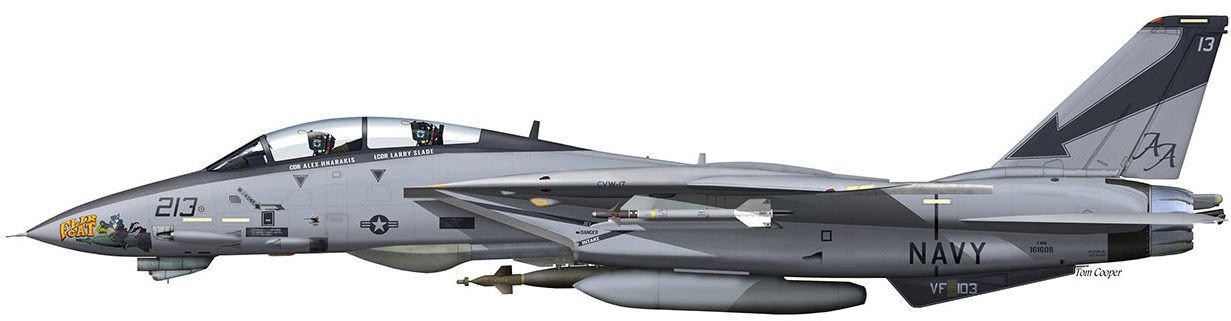
F-14B Tomcat · 161608
- Type
- F-14B Tomcat
- BuNo
- 161608
- Code
- 213
- Unit
- VF-103
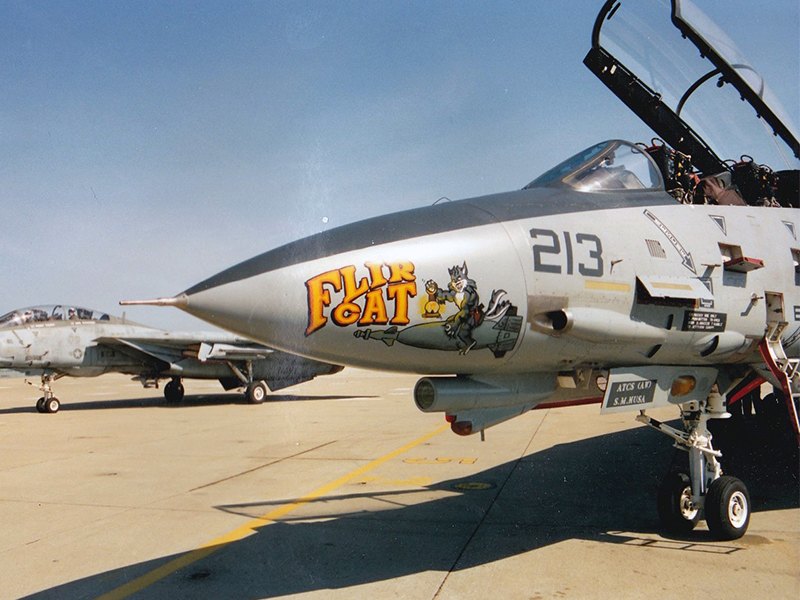
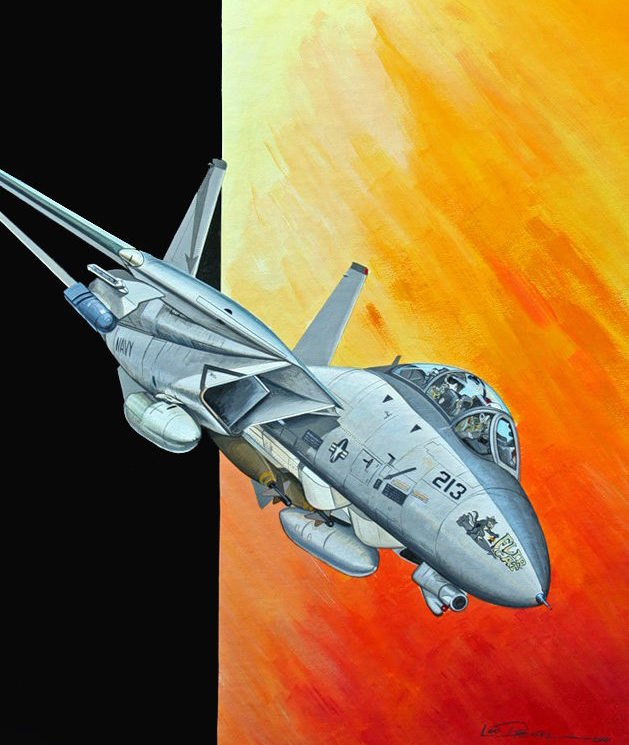
With the impending retirement of the A-6 Intruder and the cancellation of the F-14 Block 1 upgrade package in 1994 due to budgetary restrictions, the Navy found itself with a need for a long-range precision platform. While the Tomcat had always had a latent bombing capability, one which had begun to be explored after Desert Storm, the aircraft was still restricted to delivering unguided bombs or laser-guided bombs designated by another aircraft. It couldn't self-designate targets, a capability that was growing increasingly crucial in the wake of Desert Storm. Fortunately, Martin Marietta began exploring the feasibility of integrating the AAQ-14 LANTIRN pod, used on the F-15E Strike Eagle and F-16 Fighting Falcon, to enable the Tomcat to fully enter the precision age. Martin split the two-pod LANTIRN system into one, retaining the targeting pod and adding a GPS and inertial measurement unit. This allowed the pod to calculate weapon release parameters on its own, reducing the amount of equipment that needed to be bolted to the jet. In March 1995, F-14Bs from VF-103 Sluggers were the first to drop self-designated laser-guided training rounds and laser-guided bombs in testing. By 1996 (after VF-103 had been renamed the Jolly Rogers) the LANTIRN was deployed on a combat cruise for the first time. In commemoration of the first LGB tests, one of VF-103's Tomcats, BuNo.161608, AA-213 was nicknamed 'FLIR Cat' receiving nose art showing the Tomcat mascot riding a laser-guided bomb while carrying a LANTIRN to signify the Tomcat's newfound ability to perform precision strikes at night. Coincidentally, the RIO assigned to the aircraft was Larry Slade, who had the misfortune of being shot down in a VF-103 Tomcat in 1991 over Iraq. Except for the profile made for this tribute by Tom Cooper, in the past, aviation artist and author, Lou Drendel immortalized the 'FlirCat' and Alex Hnarakis in one of his paintings, which we are happy to have his permission to present here. (Tom Cooper, Lou Drendel, USN, further information by David F. Brown)Με την τότε επικείμενη απόσυρση των A-6 Intruder το 1994 και τη ματαίωση της αναβάθμισης των F-14 στο Block 1 λόγω περικοπών του αμυντικού προϋπολογισμού, το USN βρέθηκε να χρειάζεται ένα μαχητικό μακράς εμβέλειας. Παρότι το F-14 είχε δυνατότητα μεταφοράς οπλισμού αέρος-εδάφους την οποία είχε αρχίσει να αξιοποιεί κατά τη διάρκεια της επιχείρησης Desert Storm, είχε δυνατότητα άφεσης μόνο βομβών ελεύθερης πτώσης. Καθώς επίσης δεν διέθετε δυνατότητα κατάδειξης, μπορούσε να χρησιμοποιήσει κατευθυνόμενες βόμβες με λέιζερ, αλλά μόνο εφόσον η κατάδειξη γινόταν από άλλο κατάλληλο Α/Φ. Ευτυχώς, η Martin Marietta είχε αρχίσει να διερευνά τη δυνατότητα ενσωμάτωσης του ατρακτιδίου AAQ-14 το οποίο χρησιμοποιούνταν στα F-15E Strike Eagle και στα F-16 με σκοπό να αναβαθμίσει τις δυνατότητες του Α/Φ. Στη πραγματικότητα, η εταιρεία χρησιμοποίησε το ατρακτίδιο στόχευσης του LANTIRN το οποίο με τη προσθήκη GPS και αδρανειακού συστήματος ναυτιλίας, επέτρεπε τον ακριβή υπολογισμό των βαλλιστικών παραμέτρων, μειώνοντας έτσι την απαίτηση για επιπλέον εξοπλισμό επί του Α/Φ. Τον Μάρτιο του 1985 τα F-14B της Μοίρας VF-103 'Sluggers' ήταν τα πρώτα που έκαναν άφεση κατευθυνόμενων από λέιζερ βομβών. Το 1996, όταν ήδη η VF-103 είχε μετονομαστεί σε 'Jolly Rogers', το σύστημα LANTIRN αξιοποιήθηκε για πρώτη φορά σε πραγματική επιχείρηση. Σε ανάμνηση της πρώτης άφεσης βόμβας λέιζερ, το BuNo.161608, AA-213 πήρε το παρατσούκλι 'FLIR Cat' και βάφτηκε το εμπρόσθιο τμήμα με τον έμβλημα του Α/Φ (ο αγριόγατος Tomcat) να ιππεύει πάνω σε μία βόμβα λέιζερ ενώ μεταφέρει το LANTIRN, με σκοπό να σηματοδοτήσει τη νέα δυνατότητα νυχτερινής κρούσης. Συμπτωματικά, ο RIO που ορίστηκε ως μέλος μόνιμου πληρώματος ήταν ο Larry Slade ο οποίος καταρρίφθηκε με ένα Α/Φ της VF-103 το 1991, στο Ιράκ. Εκτός από μία πλάγια όψη που δημιουργήθηκε εις μνήμην του από τον Tom Cooper, στο παρελθόν ο συγγραφέας και ζωγράφος αεροπορικών θεμάτων Lou Drendel, αποτύπωσε το BuNo.161608 'FlirCat' και τον Hnarakis σε έναν από τους πίνακές του. (Tom Cooper, Lou Drendel, USN, further information by David F. Brown)
F-14B Tomcat · 163224
- Type
- F-14B Tomcat
- BuNo
- 163224
- Code
- 201
- Unit
- VF-103
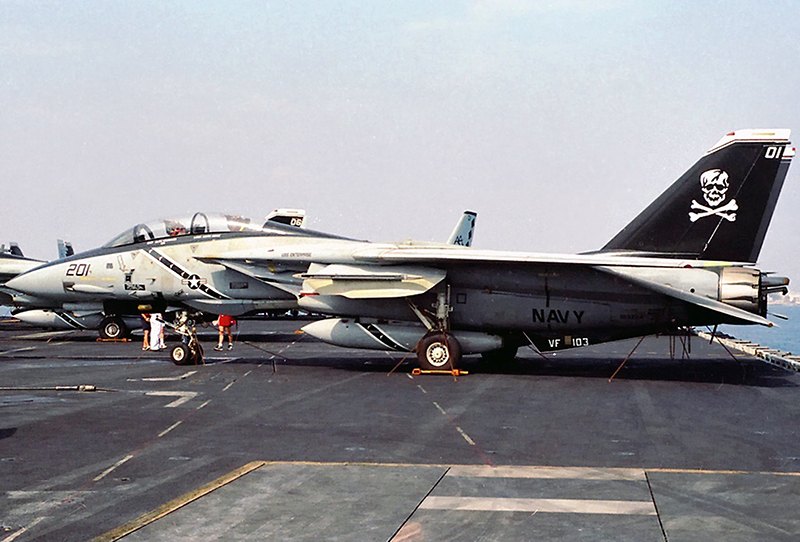
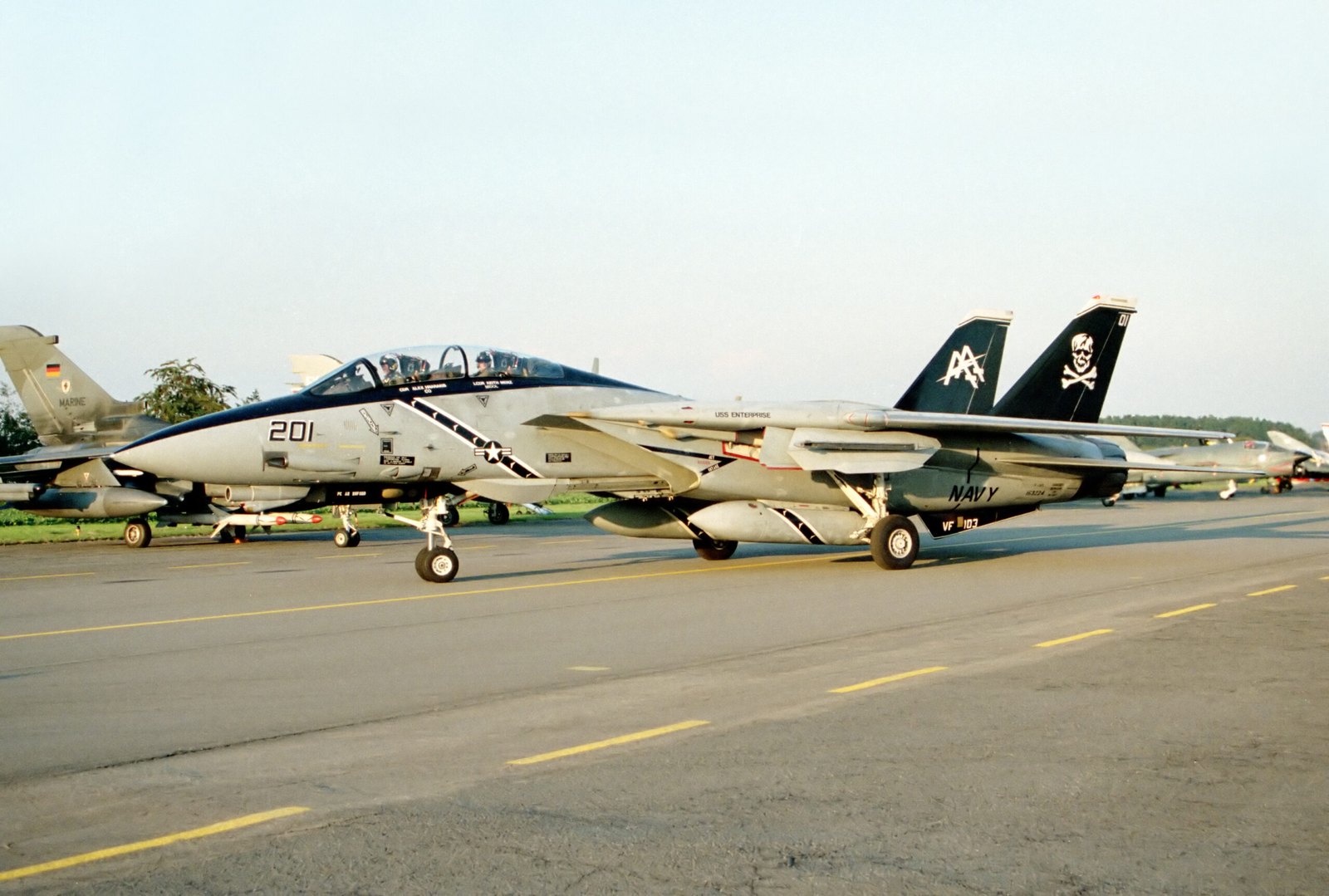
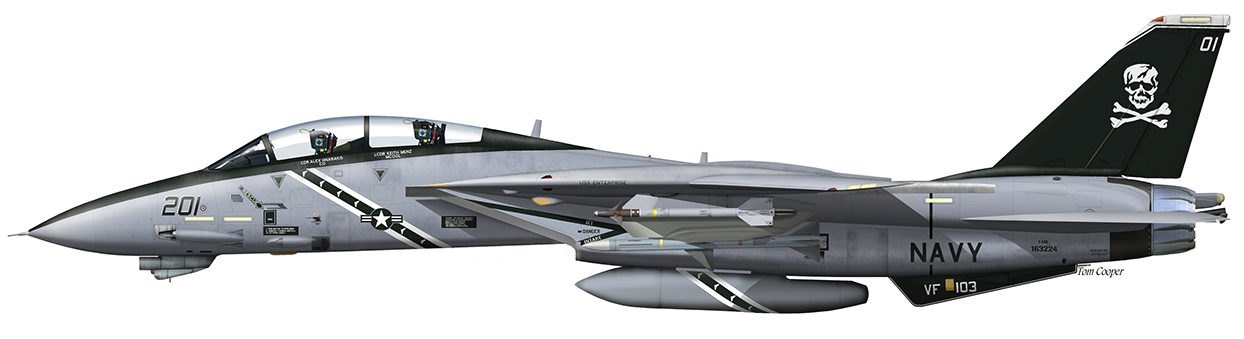
The VF-103, F-14B Tomcat, AA201 Bu.No.163224, was Alex 'Yogi' Hnarakis fighter during his time as a CO of the famous 'Jolly Rogers'. Alex took a very active role from the transition of the 'Sluggers' to 'Jolly Rogers'. The Skull and Crossbones first flew in January 1943 on the F4U Corsairs assigned to VF-17, the most lethal Navy fighter squadron of WW II. By the end of the war, the original 'Jolly Rogers' had racked up 154.5 kills over the Pacific. Noteworthy the unit’s mascot is a set of skulls and crossbones enclosed in a glass encasement that supposedly are the remains of Ens Jack Ernie of VF-17. Ernie died during the Okinawa invasion in World War II while fighting against two Japanese Zeroes with his Corsair losing engine oil. Before crashing in his flaming aircraft he made two transmissions; "Skipper, I can’t get out!" followed by a short pause and then, "Remember me with the Jolly Rogers!". After VF-17 had been decommissioned the Skull and Crossbones insignia was adopted by Fighter Squadron 84. After its commissioning in 1955, in an attempt to trace the history of its squadron insignia, the story of Ens. Jack Ernie was revealed to VF-84 by Jack's family and upon their suggestion and consent, Jack's skull and femurs were encased in glass and presented to the squadron, thereby fulfilling Jack's last request of remembering to the Jolly Rogers. To this day, Ens. Jack Ernie is retained on the squadron rooster and his skull and bones go with the Jolly Rogers wherever they go, serving as a symbol of courage and heroism for all Jolly Rogers to follow. According to the site HOME OF M.A.T.S. 'Passing of the bones' from the outgoing skipper to the incoming one is a time-honored 'Jolly Rogers' tradition. Following VF-84’s decommissioning in October 1995, the decision was made to retire the 'Club and Cloverleaf' insignia of the VF-103 'Sluggers' and have Fighting 103 adopt the 'Jolly Roger' insignia, on Oct. 1, 1995. Prior to assuming the 'Jolly Rogers' name and insignia, VF-103, commissioned in 1952, had consistently proven ready and willing to accomplish all assigned missions while flying successively more complex and more capable aircraft. VF-103 flew numerous sorties in the moonless skies over Vietnam and achieved the only night MiG kill of the entire conflict. (Tom Cooper, USS Enterprise Cruise Book 1996, AA201 Carrier Photo by Javier Rodriguez and AA201 airfield photo by Jan Marie Hanon - further info from https://theaviationgeekclub.com and http://www.f-14association.com)Το προσωπικό Α/Φ του Alex 'Yogi' Hnarakis ως Μοίραρχος της VF-103 ήταν το F-14B Tomcat, AA201 BuNo.163224 των περίφημων 'Jolly Rogers'. Ο Alex ανέλαβε έναν πολύ ενεργητικό ρόλο κατά την μετάβαση των 'Sluggers' σε 'Jolly Rogers'. Οι Skull & Crossbones πέταξαν για πρώτη φορά τον Ιανουάριο του 1943 με τα F4U Corsairs της Μοίρας VF-17, η οποία ήταν η πιο αποτελεσματική Μοίρα του USN κατά τον Β’ ΠΠ καθ’ όσον στο τέλος του πολέμου είχαν πιστωθεί με 154 και μισή, καταρρίψεις στην αεροπορική αρένα του Ειρηνικού. Είναι αξιοσημείωτο ότι το έμβλημα της Μοίρας είναι ένα ζευγάρι νεκροκεφαλής και οστών μέσα σε ένα γυάλινο περίβλημα που θεωρείται ότι περιέχει τα υπολείμματα οστών του Σημαιοφόρου (Ι) Jack Ernie της VF-17. Ο Jack Ernie σκοτώθηκε κατά την επέμβαση στην Okinawa ενώ μαχόταν με το F4U Corsair του, εναντίον δύο Ιαπωνικών Zero και ενώ ο κινητήρας του Α/Φ του έχανε συνεχώς λάδια. Πριν συντριβεί με το φλεγόμενο Α/Φ του, πρόλαβε να κάνει δύο εκπομπές στον ασύρματο με την πρώτη να λέει «Skipper (σ.σ. εννοώντας τον αρχηγό σχηματισμού), δεν μπορώ να εγκαταλείψω», για να ακολουθήσει και η δεύτερη και τελευταία μετά από μια μικρή διακοπή, λέγοντας «να με θυμάστε εκεί στους Jolly Rogers». Μετά την αναστολή λειτουργίας της VF-17 το σήμα των Skull and Crossbones υιοθετήθηκε από την Μοίρα Μαχητικών VF-84. Μετά την ενεργοποίησή της το 1955, η ιστορία του Μοιρόσημου αποκαλύφθηκε στην VF-84 από την οικογένεια του Σημαιοφόρου (Ι) Jack Ernie. Στη συνέχεια, με τη συγκατάθεση της οικογένειας, τα λείψανα οστών του, τοποθετήθηκαν σε μία γυάλινη λάρνακα και παραχωρήθηκαν στη Μοίρα έτσι ώστε να εκπληρωθεί η τελευταία επιθυμία του Jack να τον θυμούνται εκεί στους Jolly Rogers. Σήμερα, ο Jack Ernie παραμένει στη δύναμη της Μοίρας και το κρανίο του και τα οστά του ακολουθούν τους Jolly Rogers όπου κι αν πάνε, ως ένδειξη κουράγιου και ηρωισμού για όλους τους επερχόμενους Jolly Rogers. Σύμφωνα με την ιστοσελίδα HOME OF M.A.T.S. η μεταβίβαση των λειψάνων αυτών ('Passing of the bones') από τον απερχόμενο Μοίραρχο στον παραλαμβάνοντα αποτελεί μια παράδοση τιμής. Συνέπεια της αναστολής λειτουργίας της Μοίρας VF-84 τον Οκτώβριο του 1995, πάρθηκε η απόφαση να μεταβιβαστούν την 1η Οκτωβρίου 1995, τα σήματα και χαρακτηριστικά της VF-84 στην Fighting 103. Πριν την ονοματοδοσία της VF-103 σε 'Jolly Rogers' η Μοίρα που είχε δημιουργηθεί το 1952, είχε σταθερά αποδείξει ότι ήταν πάντα έτοιμη να εκπληρώσει όποια αποστολή της ανατίθετο πετώντας ταυτόχρονα με επιτυχία συνεχώς πιο μοντέρνα και πολύπλοκα αεροσκάφη. Η VF-103 πέταξε αμέτρητες αποστολές πάνω από τον σκοτεινό ουρανό του Βιετνάμ και επέτυχε την μοναδική νυχτερινή κατάρριψη MiG καθ΄ όλη τη διάρκεια της σύγκρουσης. (Tom Cooper, USS Enterprise Cruise Book 1996, AA201 Carrier Photo by Javier Rodriguez and AA201 airfield photo by Jan Marie Hanon -further info from https://theaviationgeekclub.com and http://www.f-14association.com)
F/A-18B Hornet · 163115
- Type
- F/A-18B Hornet
- BuNo
- 163115
- Code
- 200
- Unit
- VX-30
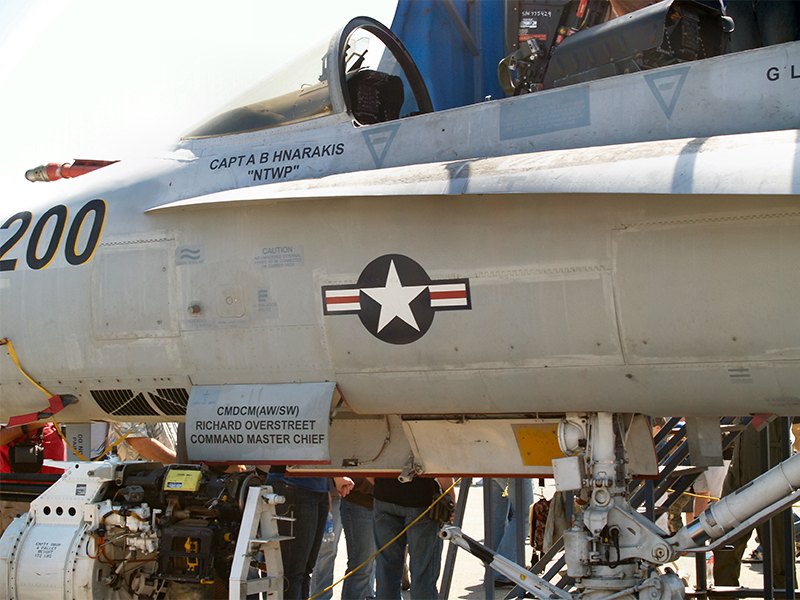
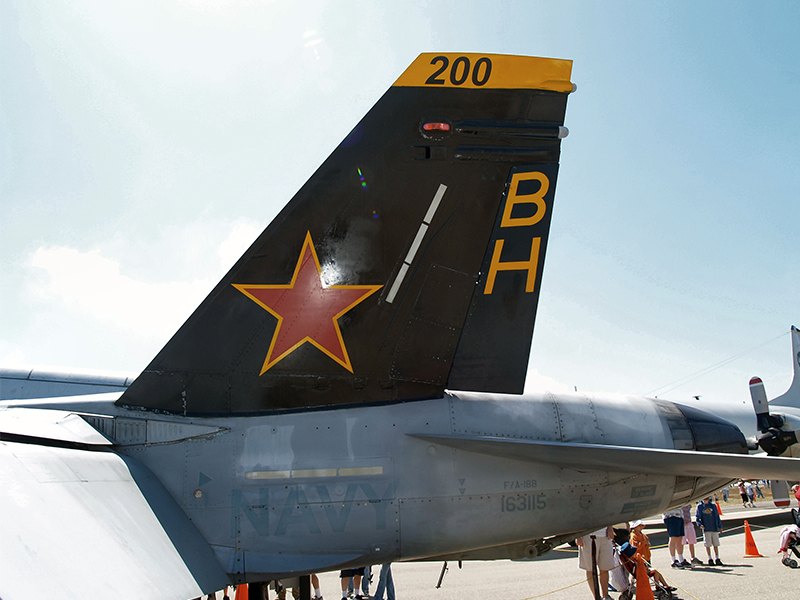
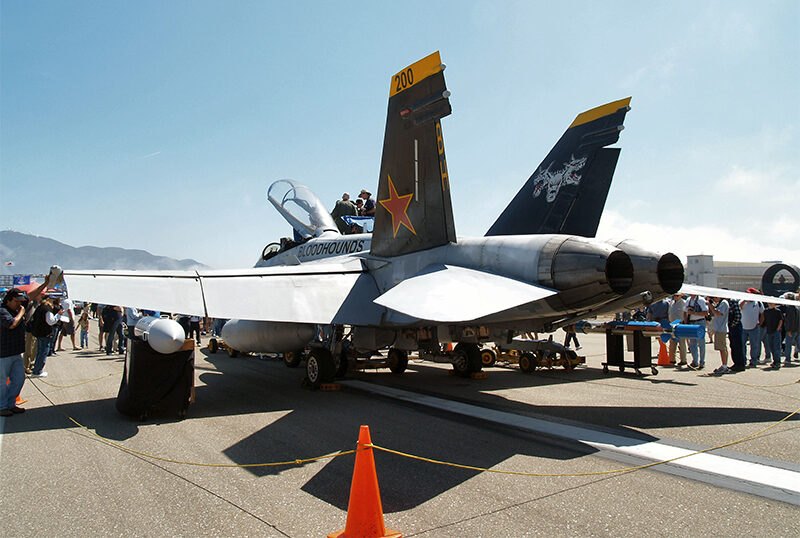
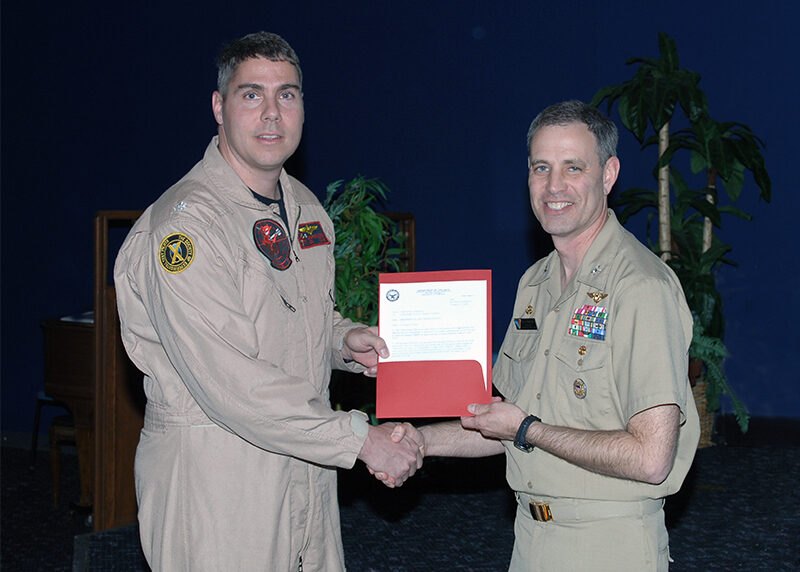
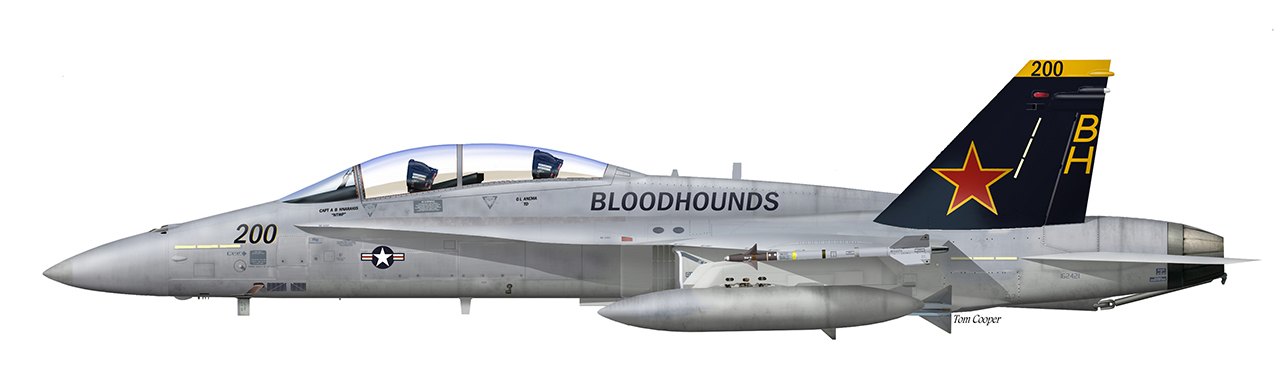
The F/A-18B-20-MC Hornet (Lot 9), BuNo.163115 BH 200 assigned to Capt A B Hnarakis 'NTWP' and G L Anema 'TD' of VX-30 Bloodhounds. Active in March 2007 coded BH-200 with VX-30 Bloodhounds and in September 2018 coded MA-22 with VMFA-112. Naval Air Station Point Mugu played host to a wide variety of Air Force & USN combat airplanes at the 2007 airshow over the weekend of March 30 - April 1. The photos below left are from that show, courtesy of Goleta Air and Space Museum In the last photo, Alex Hnarakis, CO of NAVAL AIR WEAPONS STATION CHINA LAKE receives the Navy Meritorious Unit Commendation Award on behalf of VX-31. (Tom Cooper, Goleta Air & Space Museum and USN)Το F/A-18B-20-MC Hornet (Lot 9), BuNo.163115 BH200 είχε ανατεθεί στον Πλοίαρχο (Ι) Hnarakis και στον G. L. Anema των VX-30 'Bloodhounds' ήταν εν ενεργεία το 2007 με τον κωδικό BH200 στην ίδια Μοίρα και από τον Σεπτέμβριο του 2018 εντάχθηκε με τον κωδικό MA22 στην VMFA-112 των Πεζοναυτών. Η ναυτική βάση στο Point Mugu φιλοξένησε έναν μεγάλο αριθμό διαφορετικών αεροσκαφών κατά τη διάρκεια του airshow το Σαββατοκύριακο μεταξύ 30 Μαρτίου και 1 Απριλίου 2017. Οι παρακάτω φωτογραφίες στα αριστερά είναι από αυτό την περίσταση με τα πνευματικά τους δικαιώματα να ανήκουν στο Μουσείο Goleta Air and Space. Στην τελευταία φωτογραφία ο Alex Hnarakis, Διοικητής του Naval Air Weapons Station China Lake παραλαμβάνει το βραβείο Navy Meritorious Unit Commendation εξ ονόματος της VX-31. (Tom Cooper, Goleta Air & Space Museum and USN)
SluggertoJolly Roger
Desert Storm with VF-32 and on General Horner’s staff, then VF-103: the LANTIRN tests that gave the F-14 precision strike, and command of the squadron as the Sluggers became the Jolly Rogers.Η επιχείρηση Desert Storm με τη VF-32 και στο επιτελείο του στρατηγού Horner, και έπειτα η VF-103: οι δοκιμές του LANTIRN που έδωσαν στο F-14 δυνατότητα κρούσης ακριβείας και η διοίκηση της Μοίρας, όταν οι Sluggers έγιναν Jolly Rogers.
- Desert Storm
- VF-32
- Command
- VF-103
- Pod
- LANTIRN
- USS Enterprise
- 1996
Yogi and Possum finished the Top Gun course at the end of February 1983. As their class picture went up in the briefing room and they received their new Top Gun flight jacket patches (a MiG caught in a fighter's crosshairs), the news came that the Wolfpack was named the top fighter squadron on the West Coast-one of only two contenders for the Admiral Clifton Award, the Navy's greatest tribute to a fighter squadron. Two weeks later the men of the Wolfpack began flying out to land on the pitching and rolling flight deck of the USS Kitty Hawk, some 100 miles out to sea off San Diego, in preparation for their next cruise. This time Yogi and Possum would lead those long fighter patrols over the Indian Ocean, and out there over their wing would be a young pilot just out of training, eager to learn how to be a real fighter pilot. He flew F-14 Tomcats for six deployments in VF-1, VF-32, VF-142, and VF-103. While in VF-32 he participated in the Desert Shield and Desert Storm, but in a more tactical role. According to Dave Parsons:
VF-32 GypsiesDesert Shield · Desert Storm
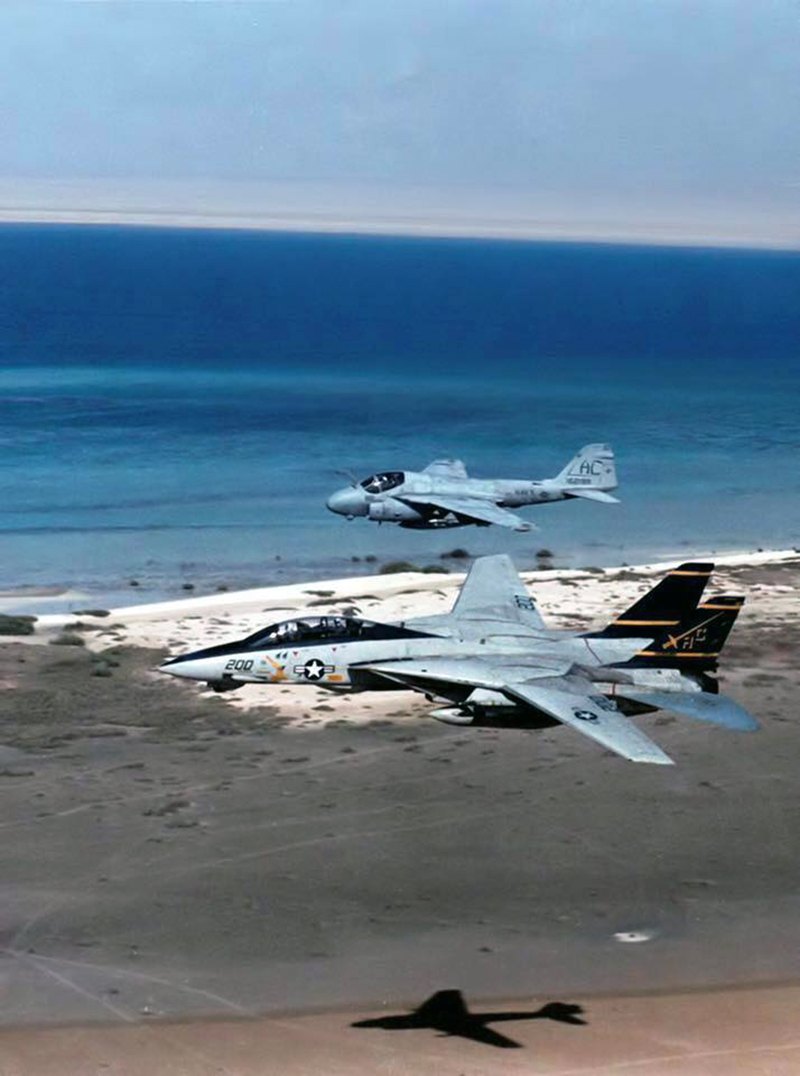
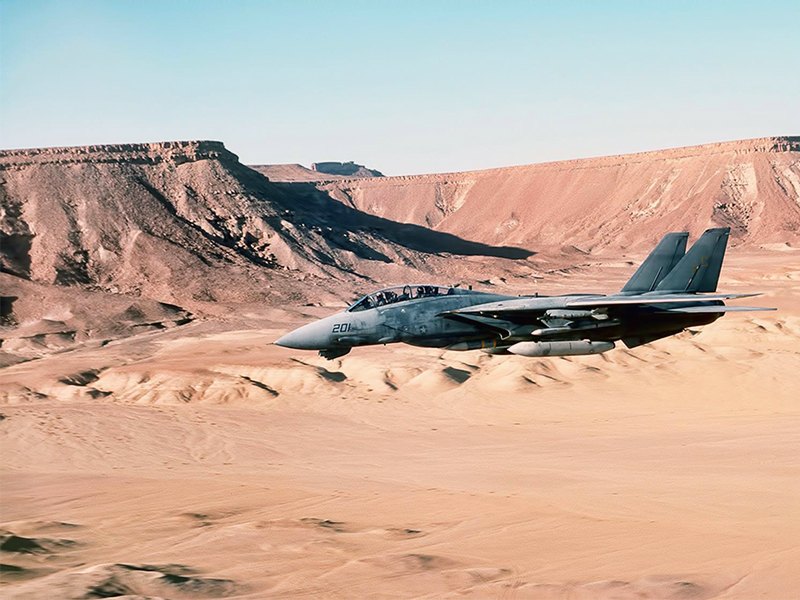
"Alex was due to leave the squadron in the fall of 1990 but when we were emergency deployed to the Red Sea in August, he was put on Operational Hold and used as a liaison to Gen Horner’s staff to coordinate our Air Wing’s participation in the air effort. That meant he flew back and forth to Saudi Arabia on a regular basis. He still flew with VF-32 during that time."
After leaving the VF-32 he was posted for a brief service to the VF-43 as adversary instructor, flying the A-4 Skyhawk. Again from Dave Parsons recollections:
"Alex went from VF-32 to VF-43 in 1991. My last flight as a Gypsy was in November. Alex was in VF-43 by then and arranged for an impressive sendoff...a literal wall of bogies to greet me after Dog and I exited Dare County bombing target."
VF-103 Sluggersto Jolly Rogers
He also served the Pentagon Joint Staff, J-3, Joint Operations Division. Alex was also XO, VF-142 on George Washington (CVN-73), highlighted by hosting WWII veterans on the transatlantic crossing for the D-Day 50th anniversary. Alex was the LANTIRN FLIR & Laser rapid prototype demonstration pilot (while he performed duties of XO for VF-103 'Sluggers'), which added precision air-to-ground strike capability to the F-14. Dave Parson told the GIFCs:
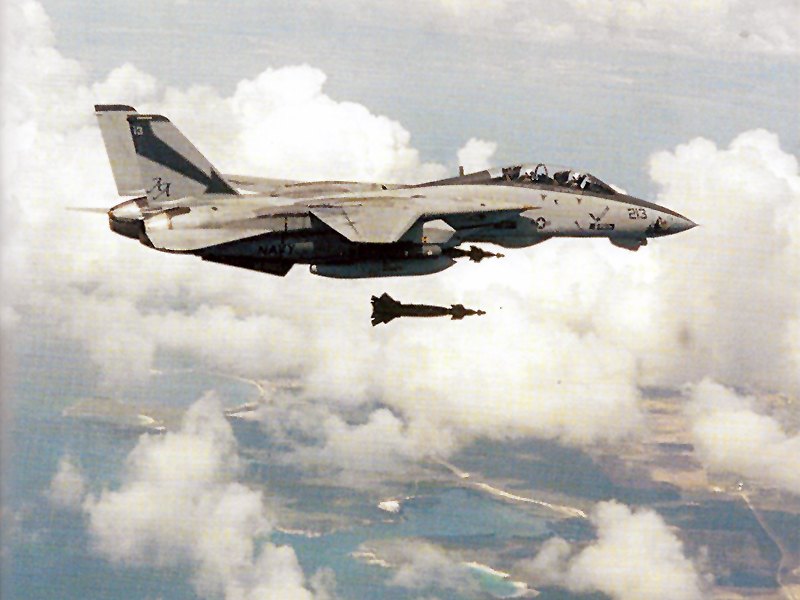
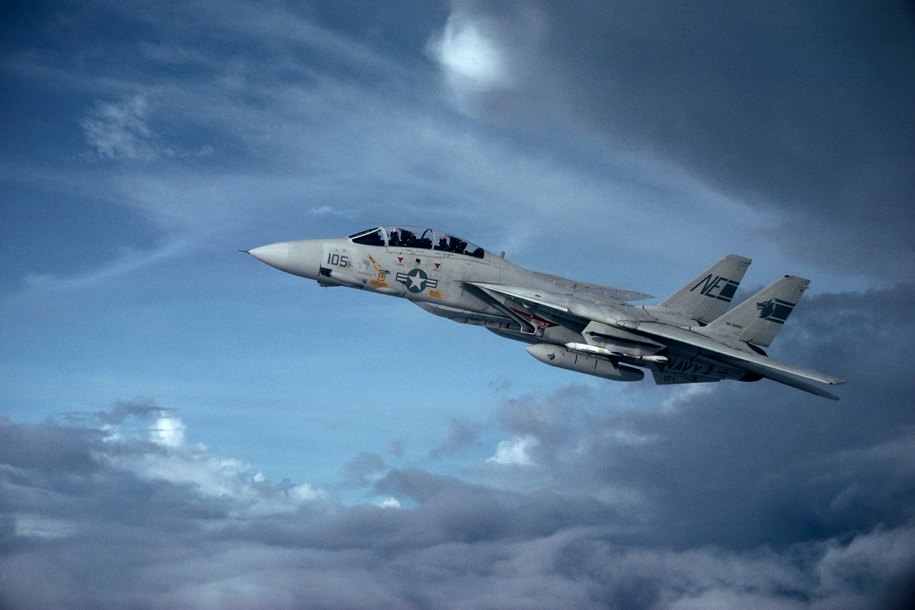
"Alex and Rat Slade (who was shot down during the Gulf War and became a POW), were the aircrew who did a proof of concept test flights in 1995. This was very unusual as typically, VX-23 at Pax River would conduct that phase of integration testing. However, there was an effort by the Hornet community to stifle any such tests so we appealed to the AIRLANT 3 Star who authorized VF-103 to modify one aircraft as the FLIRCat for testing. The testing was successful and we bypassed the normal DT/OT process and had additional LANTIRN pods available for deployment in the summer of 1996."
For further details please check 'Bombcat' bookazine, an AirForces Monthly 2015 special edition, which documented his squadron’s key contributions, as well as F-14 air-to-ground successes during its final ten years. Alex was CO by then. After the successful test, Alex was also the man who passed the heritage of the famous Jolly Rogers to the VF-103.
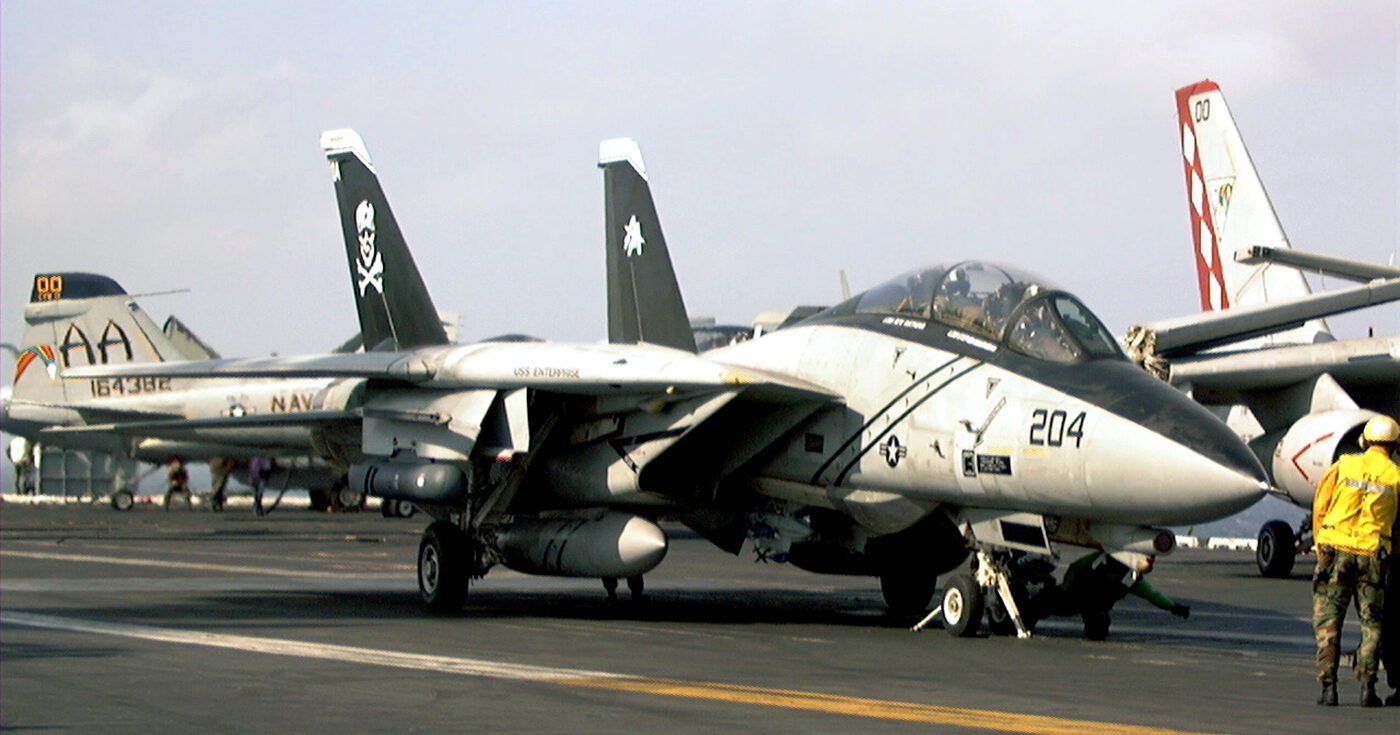
"VF-84 was being shut down in 1995 so Wing Commander asked Alex if VF-103 would want to become the Jolly Rogers." said to us, Dave Parsons
Details about this story can be read on Bio Baranek's webpage: http://www.topgunbio.com/snapshot-drills/ in an article written by Hnarakis himself. The Greek parentage Jolly Roger Cmdr led the first LANTIRN and night vision goggle capable Tomcats on deployment aboard USS Enterprise (CVN-65). In an interview, for a newspaper on Sept. 22, 1996, he said.
"Frankly shooting at anti-air is like shooting at the arrow, not the archer. Command bunkers, air defense operation centers, the places where the people who gather raw information and do the decision-making, you certainly want to be hitting stuff like that."
Like shooting at the arrow, not the archer
During an interview aboard Enterprise, for the Defense Daily on April 27, 1996, Cmdr. Alex Hnarakis, CO of the VF-103 Tomcat squadron referred to the new capabilities of the mighty Tomcat:
"This will give us the capability to find and destroy targets on our own. That's a value added for the battle group. When it sets out for bombing missions, Tomcats are likely to load up with two 1,000-pound GBU laser-guided bombs or one 2,000-pound GBU. The F-14 has been certified to carry the GBU-16, GBU-10, and GBU-12, and is expected to soon receive approval for the GBU-24. The Tomcat has four weapon stations, but typically only two are loaded with bombs. LANTIRN and the night vision goggles "significantly enhance" the ability of the Tomcat to perform forward air control missions. Four of the Tomcat crews in the squadron are qualified to perform forward air control missions. "Now we will be able to do it equally well at night."
Δύο εβδομάδες αργότερα η VF-1 ξεκίνησε για το αεροπλανοφόρο USS Kitty Hawk το οποίο εκείνη την περίοδο βρισκόταν περίπου 100 ν.μ. από τις ακτές του San Diego προετοιμαζόμενο για την επόμενη αποστολή. Αυτή τη φορά ο 'Yogi' και ο 'Possum' θα ηγούνταν σε αποστολές πολύωρων περιπολιών στον Ινδικό Ωκεανό εκεί, όπου ένας νέος Ιπτάμενος θα ήταν έτοιμος να μάθει πως να γίνει ένας αληθινός μαχητής. Πέταξε με το F-14 Tomcat σε έξι επιχειρησιακές αναπτύξεις με τις Μοίρες VF-1, VF-32, VF-142 και VF-103 πετώντας από διάφορα αεροπλανοφόρα. Καθ' όσον πετούσε με την VF-32 συμμετείχε στις επιχειρήσεις Desert Shield and Desert Storm σε έναν πιο επιτελικό ρόλο στο Συμμαχικό Στρατηγείο. Σύμφωνα με τον Dave Parsons:
VF-32 GypsiesDesert Shield · Desert Storm
«Ο Alex ήταν προγραμματισμένο να φύγει από την Μοίρα το φθινόπωρο του 1990 αλλά καθώς μπήκαμε σε καθεστώς ετοιμότητας, τέθηκε σε επιχειρησιακή εφεδρεία για τυχόν αξιοποίηση και χρησιμοποιήθηκε ως Σύνδεσμος στο Επιτελείο του Στρατηγού Horner για τον συντονισμό με την Πτέρυγά μας των αεροπορικών αποστολών της επιχείρησης. Αυτό σήμαινε ότι πετούσε συνέχεια από και προς την Σαουδική Αραβία συνεχώς σε τακτική βάση ενώ συνέχιζε να πετά με την VF-32 αυτή την περίοδο».
Αφότου έφυγε από την VF-32, τοποθετήθηκε για μια μικρή περίοδο στην VF-43 ως εκπαιδευτής σε ρόλο εχθρικής απεικόνισης πετώντας με A-4 Skyhawk. Ξανά, σύμφωνα με τις αναμνήσεις του Dave Parsons:
«Ο Alex πήγε στην VF-43 από την VF-32 το 1991. Η τελευταία μου πτήση με την VF-32 'Gypsies' ήταν τον Νοέμβριο. Ο Alex που ήδη ήταν τότε στην VF-43, προγραμμάτισε ένα εντυπωσιακό κατευόδιο…. έναν κυριολεκτικό τοίχο από αεροσκάφη για να με χαιρετήσουν αφού εγώ και ο Dog είχαμε προσβάλει τον στόχο Dare County».
VF-103 Sluggersto Jolly Rogers
Επίσης, υπηρέτησε στο Πεντάγωνο στη Δ/νση Επιχειρησιακής Σχεδίασης. Επιπλέον ήταν Αξιωματικός Επιχειρήσεων στο USS George Washington (CVN-73) με αποκορύφωμα τη φιλοξενία βετεράνων του Β΄ΠΠ κατά την διατλαντική διέλευση για τον εορτασμό της 50ης επετείου της D-Day. Ήταν επίσης, ο υπεύθυνος Ιπτάμενος για την ανάπτυξη του προγράμματος LANTIRN FLIR & Laser ταυτόχρονα με τα καθήκοντά του ως Αξιωματικός Επιχειρήσεων στην VF-103 που επέτρεψε τη δυνατότητα βομβαρδισμού με όπλα ακριβείας στο F-14. Ο Dave Parson είπε στην ομάδα μας:
«Ο Alex και ο Rat Slade (ο οποίος καταρρίφθηκε και συνελήφθη κατά τη διάρκεια του πολέμου του Κόλπου) ήταν το πλήρωμα που εκτέλεσε τις δοκιμές αξιοπιστίας του συστήματος στο F-14 το 1995. Αυτό ήταν ιδιαίτερα ασύνηθες καθόσον αυτού του είδους οι δοκιμές ενσωμάτωσης εκτελούνταν στο Pax River όπου βρίσκεται το κέντρο και οι Μοίρες δοκιμών. Εντούτοις, υπήρξε μια προσπάθεια από την κοινότητα των F-18 να ματαιώσουν αυτές τις δοκιμές με αποτέλεσμα να απευθυνθούμε στο AIRLANT 3 Star το οποίο εξουσιοδότησε την VF-103 να τροποποιήσει ένα Α/Φ (FLIRCat) για τις σχετικές δοκιμές. Οι δοκιμές ήταν επιτυχείς και παρακάμπτοντας τις προβλεπόμενες διαδικασίες DT/OT είχαμε επιπλέον διαθέσιμα LANTIRN pods πριν την ανάπτυξη το καλοκαίρι του 1996».
Για περισσότερες πληροφορίες, παρακαλούμε ελέγξτε την ειδική έκδοση του περιοδικού 'Bombcat' του AirForces Monthly του 2015, το οποίο κατέγραψε τη συνεισφορά της Μοίρας του αλλά και την επιτυχία του F-14 σε αποστολές αέρος-εδάφους. Μετά τις επιτυχείς δοκιμές, ο Alex ήταν επίσης ο άνθρωπος που πέρασε τον γνωστό θρύλο των Jolly Rogers από την VF-84 στη VF-103. Ο Dave Parsons μας είπε:
«Η Μοίρα VF-84 ανέστειλε τη λειτουργία της το 1995 με αποτέλεσμα ο Διοικητής της Πτέρυγας να ρωτήσει τον Alex αν η VF-103 θα ήθελε να γίνει η Μοίρα Jolly Rogers».
Ο ελληνικής καταγωγής Μοίραρχος των Jolly Roger ηγήθηκε των πρώτων F-14 με δυνατότητα LANTIRN and διοπτρών νυχτερινής οράσεως ως οργανικών αεροσκαφών του Enterprise (CVN-65). Σύμφωνα με μια συνέντευξή του σε μια εφημερίδα στις 22 Σεπτεμβρίου του 1996:
«Στην πραγματικότητα προσβάλοντας στοιχεία αντιαεροπορικής άμυνας, είναι σαν να χτυπάς στο βέλος και όχι τον τοξότη. Κέντρα διοίκησης, κέντρα ελέγχου επιχειρήσεων αεράμυνας και γενικά σημεία στα οποία συγκεντρώνονται οι πρωτογενείς και ακατέργαστες πληροφορίες και βρίσκονται οι άνθρωποι οι οποίοι θα πάρουν τις αποφάσεις, είναι σίγουρα σημεία τα οποία θα ήθελε να προσβάλλει κάποιος».
Σαν να χτυπάς στο βέλος και όχι τον τοξότη
Σε μία άλλη συνέντευξη για την εφημερίδα Defense Daily στις 27 Απριλίου 1996 πάνω στο USS Enterprise (CVN-65), ο Πλοίαρχος (Ι) τότε Hnarakis ως Μοίραρχος της VF-103, αναφέρθηκε στις νέες δυνατότητες του πανίσχυρου Tomcat:
«Αυτή η δυνατότητα αξιοποίησης του LANTIRN και των διοπτρών νυχτερινής οράσεως μας επιτρέπουν να εντοπίσουμε και καταστρέψουμε στόχους στο έδαφος την νύχτα αυτόνομα, χωρίς την ανάγκη υποστήριξης κατάδειξης από άλλο Α/Φ. Τα F-14 συνήθως φορτώνεται με δύο κατευθυνόμενες με λέιζερ βόμβες GBU των 1000 λιβρών ή μία GBU των 2000 λιβρών. Το Α/Φ έχει τέσσερις φορείς ανάρτησης οπλισμού αέρος-εδάφους αν και συνήθως χρησιμοποιούνται μόνο οι δύο και έχει πιστοποιηθεί για μεταφορά και άφεση των βομβών GBU-16, GBU-10, GBU-12 (σ.σ. GBU-10/12/16: ΜΚ-84/82/83 των 2000/500/1000 λιβρών με κιτ κατεύθυνσης λέιζερ Paveway II) και αναμένεται σύντομα η πιστοποίηση για τις GBU-24 (σ.σ. GBU-24: ΜΚ-84 των 2000 λιβρών με κιτ κατεύθυνσης λέιζερ Paveway III). Το σύστημα LANTIRN και οι διόπτρες νυχτερινής οράσεως ενισχύουν σημαντικά την ικανότητα του αεροσκάφους να εκτελέσει αποστολές προωθημένου εναέριου ελέγχου, με τα τέσσερα μέχρι τώρα εκπαιδευμένα για τον σκοπό αυτό, πληρώματα. Πλέον, μπορούμε να επιχειρούμε το ίδιο τόσο την ημέρα όσο και την νύχτα».
China Lake
- Aircraft types
- 23
- Flight hours
- 4,700+
- F-14 hours
- 3,300+
- Arrested landings
- 900+
He was later posted to China Lake and became a Navy Test Pilot School graduate and member of the Society of Experimental Test Pilots and later became Commanding Officer of NAWS China Lake. He tested early F/A-18 night vision goggles and the Blue Angels artificial-feel spring. During his time the Naval Air Weapons Station China Lake also conducted several noise-related studies to support the development of the Draft Environmental Impact Statement. These studies characterized the noise effects associated with current and proposed increases to established range flight operations, ordnance use on the China Lake ranges, and flight operations at the Armitage Airfield. These data were also used to support the development of an updated Air Installation Compatible Use Zone plan that addresses noise generated by airfield operations. Atmospheric conditions like heavy cloud cover over the area will sometimes multiply the effects of noise by focusing or redirecting sound waves back to the ground. Noise is also amplified when it occurs in a valley between two mountain ranges. According to Capt. Alex Hnarakis:
"And what we do here prepares the modern warfighter for success when he or she is asked to go into harm’s way on behalf of their country."
It must be noted that the Greek American pilot was a candidate for being an astronaut in NASA. He flew 23 aircraft types, he amassed 4,700+ flight hours (3,300+ hours F-14) and had 900+ arrested landings. Awards include the Legion of Merit, Defense Meritorious Service Medal, Meritorious Service Medal, Air Medals with V, and Navy Commendation Medals with V. Thankful to those he learned from along the way, Alex especially enjoyed flying sailors or flight test engineers in F-14 or F/A-18 fighters to experience first-hand the fruits of their labor. His Greek name was funny trouble for some of his colleagues and superior officers, according to John T. Nankervis, who flew with him as his RIO:
"I remember flying with Alex in 1987.... after Skipper took a look at the flight schedule board he said, "Skeds, never again put Hnarakis and Nankervis in the same plane. Just too hard to read....."
Alex Hnarakis passed away on May 3, 2018. He always reminded everyone that he lived his dream. 'Greek in Foreign Cockpits' team and I (Dimitris Vassilopoulos) personally, will always remember and admire him not only because of our common Greek heritage but for the fact that he was a complete Naval Aviator whose part of his early story immortalized in a way, through the TOP GUN film. I only regret not having the chance to speak and talk with details about our project. That's why along with the rest of the GIFCs team, Kyriakos Paloulian and George Chalkiadopoulos we took the decision and devoted the Volume C' of the GREEKS IN FOREIGN COCKPITS series of books to him. Rest in Peace Alexander B. Hnarakis.
He always reminded everyone that he lived his dream
| No. | Date | Phase | Unit / Station | Entry |
|---|---|---|---|---|
| 01 | 1978 | Annapolis | US Naval Academy | BS in physics. Temporary duty with VF-111 at Miramar. |
| 02 | Sep 1980 | Gold wings | VF-124, Miramar | Finished flight school at the top of his class. |
| 03 | Fall 1981 | Fleet squadron | VF-1 ‘Wolfpack’ | F-14 Tomcat, with his RIO David ‘Possum’ Cully. |
| 04 | 7 Apr 1982 | Deployment | USS Ranger | 101 days in the Indian Ocean. |
| 05 | Feb 1983 | Top Gun | NFWS, Miramar | Finished the Top Gun course. |
| 06 | 1990–91 | Desert Shield / Storm | VF-32 ‘Gypsies’ | Liaison to Gen Horner’s staff. |
| 07 | 1991 | Adversary | VF-43 | Adversary instructor on the A-4 Skyhawk. |
| 08 | — | Joint Staff | Pentagon, J-3 | Joint Operations Division. |
| 09 | 1994 | Executive officer | VF-142, CVN-73 | Hosted WWII veterans for the D-Day 50th anniversary. |
| 10 | 1995 | LANTIRN | VF-103 ‘Sluggers’ | XO and LANTIRN FLIR & laser demonstration pilot. |
| 11 | 1 Oct 1995 | Jolly Rogers | VF-103 | The squadron adopts the Jolly Rogers name and insignia. |
| 12 | 1996 | Command | VF-103, CVN-65 | CO. First LANTIRN deployment, aboard USS Enterprise. |
| 13 | Later | Test pilot | Navy Test Pilot School | Graduate. Member of the Society of Experimental Test Pilots. |
| 14 | Later | Command | NAWS China Lake | Commanding officer. Flew F/A-18B BH 200 with VX-30. |
| 15 | 3 May 2018 | In memoriam | — | Passed away. Volume C of Greeks in Foreign Cockpits is dedicated to him. |
Αργότερα μετατέθηκε στον Αεροναύσταθμο NAS China Lake (Naval Air Weapons) όπου αποφοίτησε από το Σχολείο Δοκιμαστών του USN (Navy Test Pilot School) και έγινε μέλος του Society of Experimental Test Pilots. Στη συνέχεια, ανέλαβε τη διοίκηση του NAWS China Lake και συμμετείχε στις δοκιμές για την ενσωμάτωση των διοπτρών νυχτερινής οράσεως στο F-18 και στην εγκατάσταση του μηχανισμού τεχνητής αίσθησης στα αεροσκάφη F-18 των Blue Angels. Κατά τη διάρκεια της θητείας του στο Naval Air Weapons Station στη China Lake συνέταξε αρκετές μελέτες ηχητικών φαινομένων σχετικά με τον θόρυβο για την υποστήριξη του προγράμματος Draft Environmental Impact Statement. Αυτές οι μελέτες κατηγοριοποίησαν τις ηχητικές επιδράσεις που σχετίζονται με τα υπάρχοντα και μελλοντικά τυχόν αυξημένα επίπεδα θορύβου με σκοπό να καθοριστούν οι συνθήκες λειτουργίας του πεδίου βολής στην China Lake, η χρησιμοποίηση όπλων και οι πτήσεις στο αεροδρόμιο Armitage. Αυτά ακριβώς τα στοιχεία χρησιμοποιήθηκαν για την ανάπτυξη ενός αναβαθμισμένου σχεδίου Air Installation Compatible Use Zone το οποίο διαπραγματευόταν τα προβλήματα θορύβου που δημιουργούνται από την λειτουργία του αεροδρομίου. Για παράδειγμα, η ύπαρξη συμπαγών νεφών πάνω από την περιοχή δοκιμών, μερικές φορές πολλαπλασιάζει αυτές τις επιδράσεις του ήχου και τον ανακατευθύνει προς το έδαφος. Επίσης, ο ήχος ενισχύεται όταν δημιουργείται εντός μίας κοιλάδας. Σύμφωνα με τον ίδιο:
«Ό,τι κάνουμε εδώ προετοιμάζει τον σύγχρονο μαχητή για να είναι επιτυχής όταν αυτός ή αυτή κληθεί να εκτελέσει την αποστολή εν ονόματι της πατρίδας».
Θα πρέπει να σημειωθεί ότι αυτός ο Ελληνοαμερικανός πιλότος ήταν επίσης υποψήφιος ως αστροναύτης για τη NASA. Πέταξε συνολικά 4700 ώρες με 23 διαφορετικούς τύπους αεροσκαφών, εκ των οποίων οι περισσότερες από 3300 με το F-14 και είχε περισσότερες από 900 προσνηώσεις. Τα μετάλλια που του απονεμήθηκαν περιλαμβάνουν τα Legion of Merit, Defense Meritorious Service Medal, Meritorious Service Medal, Air Medals with V and Navy Commendation Medals with V. Ο Alex απολάμβανε να πετά με μηχανικούς των F-14 και F/A-18 για να έχουν την ευκαιρία της εμπειρίας των αποτελεσμάτων της δουλειάς τους. Το ελληνικό του όνομα επίσης, ήταν ένα αστείο μεν, αλλά πρόβλημα δε, για τους συναδέλφους και προϊσταμένους του, σύμφωνα με τον John T. Nankervis, ο οποίος πετούσε μαζί του ως ο Χειριστής Οπλικών του Συστημάτων (RIO).
«Θυμάμαι να πετάω με τον Alex το 1987, ….. όταν ο Μοίραρχος έριξε μια ματιά στο σχέδιο πτήσης είπε στον Αξιωματικό Επιχειρήσεων¨: Skeds, μην με ξαναβάλεις ποτέ μαζί στο ίδιο αεροπλάνο ως πλήρωμα τον Hnarakis και τον Nankervis. Είναι πολύ δύσκολο να το διαβάσω».
Απεβίωσε στις 3 Μαίου του 2018. Η παρουσία του πάντα θύμιζε στον καθένα ότι ζούσε για να ζήσει το όνειρό του. Η ομάδα μας, οι ΕΛΛΗΝΕΣ ΣΕ ΞΕΝΑ COCKPIT και εγώ προσωπικά ως Δημήτρης Βασιλόπουλος, θα τον θυμόμαστε πάντα και θα τον θαυμάζουμε όχι μόνο εξαιτίας της κοινής μας καταγωγής αλλά για το ότι ήταν ένα ολοκληρωμένος Ιπτάμενος του οποίου ένα μέρος της ιστορίας του αποτυπώθηκε μέσω της ταινίας TOP GUN. Για το μόνο που λυπάμαι, είναι ότι δεν είχα την ευκαιρία να συνομιλήσω περισσότερο μαζί του για το εγχείρημά μας, την απότιση φόρου τιμής σε όλους αυτούς τους χειριστές και τα πληρώματα αεροσκαφών ελληνικής καταγωγής, από τον Α'ΠΠ μέχρι σήμερα. Αυτός είναι και ο λόγος που μαζί με τον Κυριάκο Παλιουλιάν και τον Γιώργο Χαλκιαδόπουλο, αποφασίσαμε ότι ο Γ' Τόμος θα είναι αφιερωμένος σ’ αυτόν. Ας είναι αιωνία η μνήμη σου Αλέξανδρε Χναράκη.
Η παρουσία του πάντα θύμιζε στον καθένα ότι ζούσε για να ζήσει το όνειρό του
| No. | Date | Phase | Unit / Station | Entry |
|---|---|---|---|---|
| 01 | 1978 | Annapolis | US Naval Academy | BS in physics. Temporary duty with VF-111 at Miramar. |
| 02 | Sep 1980 | Gold wings | VF-124, Miramar | Finished flight school at the top of his class. |
| 03 | Fall 1981 | Fleet squadron | VF-1 ‘Wolfpack’ | F-14 Tomcat, with his RIO David ‘Possum’ Cully. |
| 04 | 7 Apr 1982 | Deployment | USS Ranger | 101 days in the Indian Ocean. |
| 05 | Feb 1983 | Top Gun | NFWS, Miramar | Finished the Top Gun course. |
| 06 | 1990–91 | Desert Shield / Storm | VF-32 ‘Gypsies’ | Liaison to Gen Horner’s staff. |
| 07 | 1991 | Adversary | VF-43 | Adversary instructor on the A-4 Skyhawk. |
| 08 | — | Joint Staff | Pentagon, J-3 | Joint Operations Division. |
| 09 | 1994 | Executive officer | VF-142, CVN-73 | Hosted WWII veterans for the D-Day 50th anniversary. |
| 10 | 1995 | LANTIRN | VF-103 ‘Sluggers’ | XO and LANTIRN FLIR & laser demonstration pilot. |
| 11 | 1 Oct 1995 | Jolly Rogers | VF-103 | The squadron adopts the Jolly Rogers name and insignia. |
| 12 | 1996 | Command | VF-103, CVN-65 | CO. First LANTIRN deployment, aboard USS Enterprise. |
| 13 | Later | Test pilot | Navy Test Pilot School | Graduate. Member of the Society of Experimental Test Pilots. |
| 14 | Later | Command | NAWS China Lake | Commanding officer. Flew F/A-18B BH 200 with VX-30. |
| 15 | 3 May 2018 | In memoriam | — | Passed away. Volume C of Greeks in Foreign Cockpits is dedicated to him. |
In their words
Few words from his fellow naval aviators.Λίγα λόγια από τους συναδέλφους του.
I joined the VF-32 Swordsmen on 15 August 1990, the day the USS JOHN F. KENNEDY set sail for what would be known as the first Gulf War. I had returned from my first Mediterranean cruise with my first squadron, the VF-102 Diamondbacks, in late 1989. Leaving my squadron was very unexpected but I was then a bachelor and this was an adventure waiting to happen. We expected to go to war and that was what we were trained to do. Alex 'Yogi' Hnarakis was a senior department head in VF-32. Anyone could tell he was an extremely intelligent officer. His opinion on any situation was always sought by higher-ups. I remember him being Skipper’s right-hand man when it came to interpreting information coming down from above, either from the Commander of the Air Group / Wing (CAG) or the Admiral's Staff. Yogi was later selected to represent CVW-3 as the airwing planning liaison in Riyadh, Saudi Arabia during Operation Desert Storm. The admiral doesn’t just send anyone to that position during the war. I only flew with Yogi a couple of times before he was sent to Riyadh. He was crewed with more junior RIOs in order to get them "up to speed". Yogi was not a big man as he was average in height but slender in build. I remember that he could, and would, roll the sleeves of his flight suit up over his bicep. I don’t think I ever saw anyone else do that. However, he knew how to fight the F-14 Tomcat. He could apply and maintain maximum g-forces during air combat maneuvering (ACM). He would always know his energy package and he was a master at the dynamic art of ACM. Naval Aviators are judged by how well they perform behind the boat. Again, Yogi excelled. He was always known as a safe, conservative stick behind the boat. I was very saddened to hear of Yogi’s passing. We’re losing far too many true warriors before their time. I understand that he fought his illness courageously even taking part in the planning of his treatment. That’s just the way he lived his life. Yogi was truly a great man that served this country well. He will be missed.
I knew Alex 'Yogi' Hnarakis from my early years in the F-14 Tomcat community. He was an outstanding combination of a real gentleman and a competitive fighter pilot. Although we were never in the same squadron together, he had a good reputation around NAS Miramar, and that means a lot. Later, we served together on the Joint Staff in the Pentagon, where he continued to prove that he was a professional officer of the highest caliber. I also encountered Alex when he was the commanding officer of VF-103 at NAS Oceana around 1996, where he proved that his combination of intelligence, skill, and leadership ability would bring success to his squadron. With all of these attributes, he remained modest and friendly. He continued to serve the US Navy in several positions of great responsibility, which also demanded his skill as a fighter pilot. I’m telling you, he was a rare and valuable officer. After we both retired I encountered him to work on several projects related to Naval Aviation’s heritage from the 1980s, and it was a joy and privilege to work with him again.
I went to China Lake on business when he was CO of the base. He invited me to his house to eat and go sailing....on land! There was a dry lake across the road from his house and he had a Land Yacht in his carport. His neighbor had one as well so he borrowed that and off we went zipping across the sand in formation. I distinctly remember how patient and instructive he was in teaching me how to master the controls and seek the wind. That was Yogi. We were department heads together in VF-32 ‘89-91 and worked together on many issues. He was always a joy to work with; so personable and knowledgeable. I was heavily involved in getting LANTIRN on the Tomcat so got to interface with him quite a bit when he was XO/CO of VF-103 in the 94-96 timeframe. As avid historians, we talked quite a bit about the heritage of the Jolly Rogers when his squadron was considering taking on that legacy when VF-84 was "retired". I always enjoyed catching up with him and we stayed in touch continuously throughout the decades. He was a sterling example of a fine Naval Officer, a very talented pilot, and a wonderful friend. I’ll always miss him.
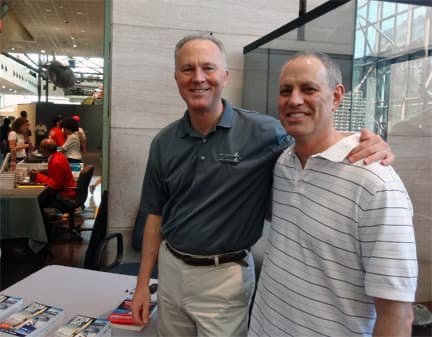
Alex and I met in my plebe year, and he was one year further along at the Academy than I was. I did already have jumping experience from my previous life as an enlisted Marine, but I don't even remember how we met other than to say Alex and the other senior members of the jump club made me feel right at home. Alex was always careful and very thorough with his responsibilities for us, and also was very active when we communicated with military assets for the rare times we could get reserve pilots training for flight operations. Even then, it was evident Alex wanted to be in the air. I'm not sure which he wanted more: jumping or flying! We had many fun excursions with the team, and when Alex graduated and made air for his service selection, we lost touch for a few years. My last summer at Annapolis I did summer training in San Diego, and lo and behold, Alex was at Miramar training, for Top Gun (like the movie) right next door. Once again we got to visit and catch up on the drop zone, this time at Camp Pendleton. He was a rock star in the air.
Εντάχθηκα στη Μοίρα VF-32 Swordsmen στις 15 Αυγούστου 1990, την ημέρα που το USS JOHN F. KENNEDY ξεκινούσε για την επιχείρηση του πρώτου πολέμου του Κόλπου. Είχα επιστρέψει από την πρώτη μου αποστολή με την πρώτη μου Μοίρα, την VF-102 τους Diamondbacks στα τέλη του 1989. Αποχωρώντας από την Μοίρα ήταν για μένα μία έκπληξη αλλά ήμουν εργένης και αυτό ήταν κάτι που λίγο-πολύ περίμενα ότι θα συμβεί. Περιμέναμε να πάμε σε πόλεμο και αυτό ήταν κάτι για το οποίο είχαμε εκπαιδευτεί. Ο Alex 'Yogi' Hnarakis ήταν ο επικεφαλής του αποσπάσματος στην VF-32. Ο οποιοσδήποτε θα μπορούσε να πει ότι ήταν ένας ιδιαίτερα ευφυής αξιωματικός και η γνώμη του πάντα λαμβανόταν υπόψη από τους προϊσταμένους του. Θυμάμαι ότι ήταν το δεξί χέρι του κυβερνήτου όταν προσπαθούσε να αξιολογήσει τις πληροφορίες που έφταναν από τα προϊστάμενα κλιμάκια, είτε από τον Διοικητή του Air Group / Wing (CAG) είτε από το επιτελείο του Ναυάρχου. Αργότερα, επιλέχθηκε να αντιπροσωπεύσει το CVW-3 στο Ριάντ της Σαουδικής Αραβίας, ως ο υπεύθυνος σύνδεσμος για τις αεροπορικές επιχειρήσεις, κατά την διάρκεια της επιχείρησης Desert Storm. Ένας ναύαρχος δεν στέλνει οποιονδήποτε σε μία τέτοια θέση κατά την διάρκεια ενός πολέμου. Πέταξα μόνο δύο φορές με τον Alex πριν σταλεί στο Ριάντ. Συνήθως πετούσε με τους νεότερους RIO με σκοπό να τους βοηθήσει να αποκτήσουν γρηγορότερα εμπειρία. Δεν ήταν ιδιαίτερα ψηλός στο ανάστημα αλλά είχε εξαιρετικό παράστημα. Ήξερε πως να μάχεται με το F-14. Μπορούσε να τραβήξει και να διατηρεί αρκετά Gs κατά τη διάρκεια μιας αερομαχίας. Επίσης, αντιλαμβανόταν πάντα την ενεργειακή του κατάσταση και γενικά ήταν ένας ειδικός στην τέχνη της δυναμικής της εναέριας μάχης. Άλλωστε, οι Ιπτάμενοι του Ναυτικού κρίνονται από την ικανότητά τους να ενεργούν αποτελεσματικά εκεί που δεν φαίνονται ιδιαίτερα (π.χ. να προσνηώνονται πάνω σε ένα αεροπλανοφόρο). Σε κάθε περίπτωση, ο 'Yogi' ήταν άριστος. Αναγνωριζόταν πάντα απ’ όλους ως ένας ασφαλής και συντηρητικός Ιπτάμενος όταν προσέγγιζε το αεροπλανοφόρο. Λυπήθηκα πάρα πολύ με την απώλειά του. Πραγματικά, χάνουμε πάρα πολλούς αληθινούς μαχητές, πριν την ώρα τους. Καταλαβαίνω ότι πολέμησε την αρρώστια του με κουράγιο, παίρνοντας ακόμα μέρος και στη σχεδίαση της θεραπείας του. Αυτός ακριβώς ήταν ο τρόπος που έζησε όλη του τη ζωή. Ο 'Yogi' ήταν πραγματικά ένας αληθινός άνθρωπος που υπηρέτησε την πατρίδα του. Θα μας λείψει».
Ήξερα τον Alex 'Yogi' Hnarakis ήδη από τα πρώτα μου χρόνια στα F-14 Tomcat. Αποτελούσε έναν εξαιρετικό συνδυασμό ενός ανταγωνιστικού αντιπάλου και ενός αξιοπρεπούς ανθρώπου. Παρότι δεν είμασταν ποτέ μαζί στην ίδια Μοίρα, ήξερα ότι είχε μια πολύ καλή φήμη στο NAS Miramar, και αυτό σημαίνει πολλά. Αργότερα, υπηρετήσαμε μαζί στο Πεντάγωνο όπου συνέχισε να αποδεικνύει ότι ήταν ένας επαγγελματίας υψηλού διαμετρήματος. Επίσης, συνάντησα τον Alex όταν ήταν Διοικητής της VF-103 στην NAS Oceana περίπου το 1996, όπου απέδειξε ότι ο συνδυασμός ευφυΐας, ικανοτήτων και ηγετικών χαρακτηριστικών μπορούσε να φέρνει επιτυχίες στη Μοίρα του. Παρά τα χαρακτηριστικά, αυτά παρέμενε σεμνός και φιλικός. Συνέχισε να υπηρετεί το Ναυτικό σε διάφορες θέσεις με μεγάλη υπευθυνότητα οι οποίες επίσης απαιτούσαν τις ικανότητές του ως Ιπτάμενος μαχητικού. Μπορώ να πω ότι ήταν ένας σπάνιος και αξιόλογος αξιωματικός. Αφού μετά που και οι δύο αποστρατευτήκαμε, τον συνάντησα να δουλεύει για διάφορα προγράμματα του Ναυτικού που συνεχίζονταν ήδη από το την δεκαετία του 1980 και ήταν ευχαρίστηση και προνόμιο να δουλεύει κάποιος μαζί του».
Πήγα στη China Lake για δουλειές όταν ήταν Διοικητής στη Βάση. Με προσκάλεσε στο σπίτι του για φαγητό και για ιστιοπλοΐα…. στη ξηρά! Υπήρχε μια ξερή λίμνη παρακάτω από το σπίτι του και είχε ένα Land Yacht (τροχήλατο με ιστίο και πανί) στο υπόστεγο. Ο γείτονάς του είχε επίσης ένα το οποίο το δανείστηκε για μένα και βρεθήκαμε να “πλέουμε” στην έρημο, σε σχηματισμό. Θυμάμαι πολύ έντονα πόσο υπομονετικός και διδακτικός ήταν προσπαθώντας να μου μάθει πως να χειρίζομαι το όχημα και πως να εκμεταλλεύομαι τον άνεμο. Αυτός ήταν ο 'Yogi'. Είμασταν και οι δύο διοικητές Σμήνους στην VF-32 το 1989-1991 και δουλέψαμε παρέα σε πολλές περιπτώσεις. Ήταν πάντα ευχάριστο να δουλεύεις μαζί του, τόσο ανθρώπινος και κατανοητός. Εγώ είχα εμπλακεί σοβαρά με την ενσωμάτωση του LANTIRN στα Tomcat με αποτέλεσμα να έχω στενή επαφή μαζί του όταν ήταν αξιωματικός επιχειρήσεων και Μοίραρχος της VF-103 την περίοδο 94-96. Ως ένας παθιασμένος με την ιστορία, είχαμε μιλήσει αρκετά για την παράδοση των Jolly Rogers όταν η Μοίρα επέκειτο να συνεχίσει αυτόν τον θρύλο, μετά την απόσυρση της VF-84. Απολάμβανα πάντοτε να επικοινωνώ μαζί του και συνεχίσαμε να είμαστε σε επαφή για τα επόμενα χρόνια. Ήταν πάντα ένα μοναδικό παράδειγμα ενός αρίστου αξιωματικού του Ναυτικού, πολύ ταλαντούχος και εξαιρετικός φίλος. Θα μου λείπει για πάντα».
Ο Alex κι εγώ συναντηθήκαμε όταν ήμουν στο 1ο έτος στην Ακαδημία ενώ εκείνος ήταν μία τάξη μεγαλύτερος. Έχω πολλές μνήμες από την προηγούμενη ζωή μου ως Πεζοναύτης, αλλά δεν μπορώ καν να θυμηθώ πως συναντηθήκαμε, παρά μόνο ότι τον χαιρέτησα και ότι οι υπόλοιποι στη Λέσχη με έκαναν να νιώσω αμέσως ως στο σπίτι μου. Ο Alex έπαιρνε πάντα πολύ σοβαρά τις ευθύνες του για εμάς, και επίσης πολύ δραστήριος και ενεργητικός όταν βρισκόμασταν σε επικοινωνία με άλλα κλιμάκια διοίκησης για να ενισχυθούμε με αναπληρωματικά πληρώματα για τις επιχειρήσεις. Όμως ακόμα και τότε, ήταν εμφανές ότι ο Alex ήθελε να βρίσκεται στον αέρα, ήθελε να πετάει. Δεν είμαι βέβαιος τι του άρεσε πιο πολύ, άλμα με το αλεξίπτωτο ή να πετάει! Είχαμε πολλές ωραίες εκδρομές αλλά όταν ο Alex αποφοίτησε χαθήκαμε για κάποια χρόνια. Το τελευταίο μου καλοκαίρι στην Annapolis ήμουν για εκπαίδευση στο San Diego και ω του θαύματος, ο Alex βρισκόταν για εκπαίδευση ακριβώς δίπλα, στη Miramar για το Top Gun (όπως στην ταινία). Έτσι, συναντηθήκαμε αυτή τη φορά στο Camp Pendleton. Ήταν ένας πραγματικός ροκ σταρ στον αέρα».
Honors & remembrance
Awards include the Legion of Merit, Defense Meritorious Service Medal, Meritorious Service Medal, Air Medals with V, and Navy Commendation Medals with V.Τα μετάλλια που του απονεμήθηκαν περιλαμβάνουν τα Legion of Merit, Defense Meritorious Service Medal, Meritorious Service Medal, Air Medals with V και Navy Commendation Medals with V.
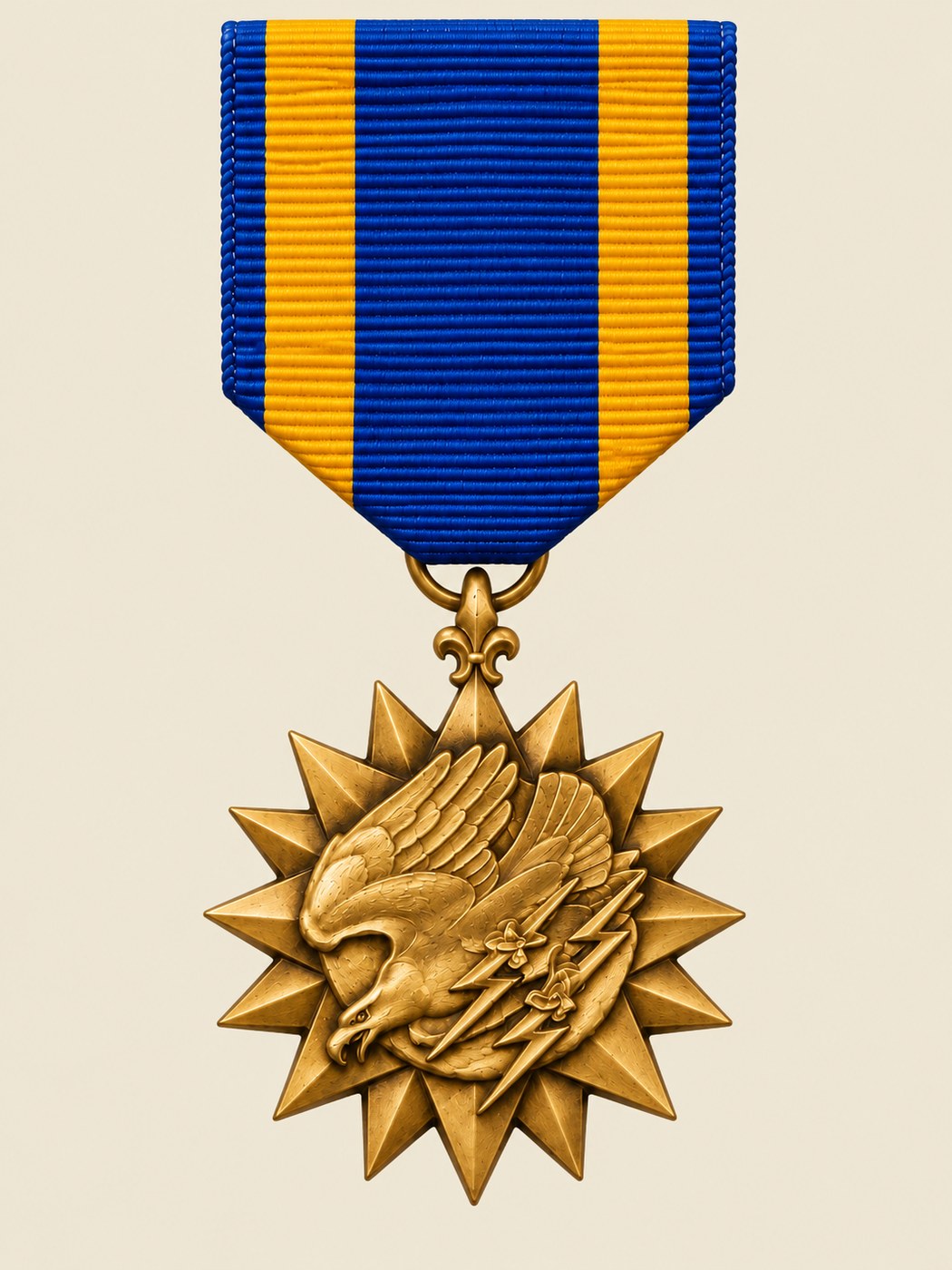
Air Medal
Air Medals with V, for valor.Air Medals με το διακριτικό V.
Navy Fighter Weapons School
Graduated with his RIO ‘Possum’ Cully at the end of February 1983.Αποφοίτησε με τον RIO του ‘Possum’ Cully στο τέλος Φεβρουαρίου 1983.
Awards
- Legion of Merit
- Defense Meritorious Service Medal
- Meritorious Service Medal
- Air Medals with V
- Navy Commendation Medals with V
TOPGUN: From the skies over Vietnam to modern air combat
A short history of the US Navy's famous Fighter Weapons School, 1969–2026
The story of TOPGUN, perhaps the most famous air combat tactics school in the world, was born not of a technological success but of the harsh reality of the war in Vietnam. By the mid-1960s the US Navy had found that the technological superiority of its fighters did not guarantee the same dominance in air combat against North Vietnamese MiGs. The F-4 Phantom II carried advanced radar and guided missiles, but its crews often lacked the specialized training that close-in maneuvering combat (dogfighting) demanded. An American concept of air warfare built around long-range interception was proving inadequate against smaller, agile fighters and an enemy who skillfully exploited the limits of American systems.1
In 1968 a committee under Captain Frank Ault examined the operational shortcomings of the Navy's air-to-air missile systems. Its findings, known as the Ault Report, pointed among other things to the need for better training and tactics. And so, on 3 March 1969, the United States Navy Fighter Weapons School was established at Naval Air Station Miramar, California. The new school initially came under squadron VF-121 and worked with limited resources, out of a prefabricated building next to the aircraft parking areas. Under Lieutenant Commander Dan Pedersen, a small team of instructors built a syllabus that combined classroom theory, analysis of enemy capabilities and realistic flying.2
The most important innovation was the systematic use of Dissimilar Air Combat Training (DACT). Aircraft such as the A-4 Skyhawk and, later, the F-5 played the part of enemy fighters. Students now had to face opponents with different performance and tactics, recognise their strengths and weaknesses, and make decisions under intense pressure. Just as important was the principle that graduates would not simply become better pilots, but would return to their squadrons as instructors, passing their knowledge on to every crew.
The results soon showed. On 28 March 1970 an F-4J crew of VF-142, with Jerome Beaulier, a graduate of the first TOPGUN class, at the controls, shot down a MiG-21. In the operations of 1972 and early 1973 the Navy's kill-to-loss ratio in air combat improved dramatically, reaching about 12:1 against about 2:1 in the earlier period. Although that change cannot be credited to the school alone, it confirmed the value of specialized tactical training.3
Through the 1970s and 1980s TOPGUN evolved alongside naval aviation. The arrival of the F-14 Tomcat called for tactics of air superiority and fleet defence against long-range bombers, built around the AWG-9 radar and the AIM-54 Phoenix missile. Later, the multi-role F/A-18 Hornet widened the training requirements. The school now had to prepare crews not only for air combat but for complex strikes against surface and ground targets, while its tactics adapted to new Soviet fighters such as the MiG-29 and Su-27.4
In 1983 the journalist Ehud Yonay published “Top Guns” in California magazine, following the training of one VF-1 F-14 crew: pilot Alex ‘Yogi’ Hnarakis and radar intercept officer Dave ‘Possum’ Cully. The article inspired the 1986 film Top Gun, which made the school's name known around the world. Behind the film's mythology, however, TOPGUN's real philosophy rested on teamwork, demanding training, strict evaluation and the constant analysis of mistakes.5
1995 was a turning point, with the reorganization of the training system and the creation of the Strike Fighter Tactics Instructor (SFTI) program. The following year the school left its famous home at Miramar and moved to Naval Air Station Fallon, Nevada, becoming part of the new Naval Strike and Air Warfare Center. Since June 2015 that organization has been named the Naval Aviation Warfighting Development Center (NAWDC).6
Today TOPGUN runs an extremely demanding thirteen-week course. Students combine academics, simulators and live flying, working with intercept controllers and with aircraft that replicate the tactics of adversary air forces. The arrival of the F-35C Lightning II, whose first graduates finished in May 2020, brought new demands for teamwork between fourth- and fifth-generation fighters, electronic warfare, sensors and command and control. In 2025 a partnership with the Naval Postgraduate School on a new master's degree in warfare operations confirmed the steady widening of its educational mission.7
TOPGUN's recent history also includes Captain Christopher A. ‘Pops’ Papaioanu, of Greek descent, who served as an instructor at the school from 2004 to 2007 and later commanded it. He had previously commanded VFA-147 ‘Argonauts’, flying the F/A-18E Super Hornet in combat operations over Iraq and Syria. At TOPGUN he helped shift the training focus from operations in the Middle East to preparing for high-intensity conflict against technologically capable adversaries. In October 2025 he is officially listed as a former commanding officer of the school, having been promoted to Captain.8
More than half a century after its founding, TOPGUN remains an institution that never stops evolving. From the F-4 Phantom and the dogfights over Vietnam to the F/A-18 Super Hornet and F-35C of the 21st century, its core mission is unchanged: to turn operational experience and technical knowledge into tactical superiority, training not only outstanding aviators but, above all, those who will train the next generation.
- 1Naval History and Heritage Command, “Ault Report: Report of the Air-to-Air Missile System Capability Review, July–November 1968,” U.S. Navy, https://www.history.navy.mil/research/histories/naval-aviation-history/ault-report.html.
- 2“TOPGUN: The Navy’s First Center of Excellence,” U.S. Naval Institute Proceedings 145, no. 9 (September 2019), https://www.usni.org/magazines/proceedings/2019/september/topgun-navys-first-center-excellence.
- 3Naval History and Heritage Command, “The Navy in the Cold War Era, 1945–1991,” U.S. Navy, https://www.history.navy.mil/research/library/online-reading-room/title-list-alphabetically/n/the-navy-in-the-cold-war-era-1945-1991.html.
- 4Christopher “Pops” Papaioanu and Brad Elward, “TOPGUN’s Impact,” U.S. Naval Institute Proceedings 145, no. 9 (September 2019), https://www.usni.org/magazines/proceedings/2019/september/topguns-impact.
- 5Ehud Yonay, “Top Guns,” California, May 1983· Alex “Yogi” Hnarakis, “The Story Behind ‘Top Guns,’ Ehud Yonay’s Article That Inspired the Hit Movie ‘Top Gun,’” republished in TOPGUN DAYS, personal collection of research sources, Dropbox, folder Alex Hnarakis – USN F-14 & F-18 Pilot.
- 6U.S. Navy, Naval Aviation Warfighting Development Center, “About Us,” https://www.airpac.navy.mil/Organization/Naval-Aviation-Warfighting-Development-Center/About-Us/.
- 7Lydia E. Bock, “First F-35C, Lightning II Class Graduates TOPGUN,” U.S. Navy, June 16, 2020, https://www.navy.mil/Press-Office/News-Stories/Article/2284169/first-f-35c-lightning-ii-class-graduates-topgun/ · Naval Postgraduate School, “NPS and TOPGUN Launch New Master of Warfare Operations Degree,” March 5, 2025, https://nps.edu/-/nps-and-topgun-launch-new-master-of-warfare-operations-degree.
- 8Dimitris Vassilopoulos, personal correspondence with Christopher A. Papaioanu, unpublished research material, POPS.docx, Greeks in Foreign Cockpits collection, Dropbox· Christopher Papaioanu and Brad Elward, “TOPGUN’s Impact,” 2019· James Mullen, “CJCS Visits Naval Aviation Warfighting Development Center,” photograph and official caption, October 19, 2025, Defense Visual Information Distribution Service, https://www.dvidshub.net/image/9366451/cjcs-visits-naval-aviation-warfighting-development-center.
TOPGUN: Από τους ουρανούς του Βιετνάμ στη σύγχρονη αεροπορική μάχη
Μια σύντομη ιστορία της περίφημης Σχολής Τακτικής Αερομαχίας του Αμερικανικού Ναυτικού, 1969–2026
Η ιστορία του TOPGUN, της διασημότερης ίσως σχολής τακτικής αερομαχίας στον κόσμο, γεννήθηκε όχι από μια τεχνολογική επιτυχία, αλλά από τη σκληρή πραγματικότητα του πολέμου στο Βιετνάμ. Στα μέσα της δεκαετίας του 1960, το Αμερικανικό Ναυτικό διαπίστωσε ότι η τεχνολογική υπεροχή των μαχητικών του δεν εξασφάλιζε αντίστοιχη επικράτηση στις αερομαχίες με τα βορειοβιετναμικά MiG. Τα F-4 Phantom II διέθεταν εξελιγμένα ραντάρ και κατευθυνόμενους πυραύλους, αλλά τα πληρώματά τους συχνά στερούνταν της εξειδικευμένης εκπαίδευσης που απαιτούσαν οι κλειστές αερομαχίες ελιγμών (dogfighting). Η αμερικανική αντίληψη περί αεροπορικού πολέμου, που είχε επικεντρωθεί στην αναχαίτιση από μεγάλες αποστάσεις, αποδεικνυόταν ανεπαρκής απέναντι σε μικρότερα, ευέλικτα μαχητικά και έναν αντίπαλο που εκμεταλλευόταν αποτελεσματικά τους περιορισμούς των αμερικανικών συστημάτων.1
Το 1968, μια επιτροπή υπό τον Πλοίαρχο Frank Ault διερεύνησε τις επιχειρησιακές αδυναμίες των αεροπορικών πυραυλικών συστημάτων του Ναυτικού. Τα πορίσματά της, γνωστά ως Ault Report, ανέδειξαν μεταξύ άλλων την ανάγκη αναβάθμισης της εκπαίδευσης και των τακτικών. Έτσι, στις 3 Μαρτίου 1969, ιδρύθηκε στη Naval Air Station Miramar της Καλιφόρνιας η United States Navy Fighter Weapons School. Η νέα σχολή υπαγόταν αρχικά στη Μοίρα VF-121 και λειτουργούσε με περιορισμένους πόρους, σε ένα προκατασκευασμένο κτίσμα δίπλα στους χώρους στάθμευσης των αεροσκαφών. Υπό την καθοδήγηση του Αντιπλοιάρχου Dan Pedersen, μια μικρή ομάδα εκπαιδευτών ανέπτυξε πρόγραμμα που συνδύαζε θεωρητική κατάρτιση, ανάλυση εχθρικών δυνατοτήτων και ρεαλιστική εναέρια εξάσκηση.2
Η σημαντικότερη καινοτομία ήταν η συστηματική εφαρμογή της εκπαίδευσης σε αερομαχίες μεταξύ διαφορετικών τύπων αεροσκαφών (Dissimilar Air Combat Training – DACT). Αεροσκάφη όπως τα A-4 Skyhawk και, στη συνέχεια, τα F-5 χρησιμοποιήθηκαν για την προσομοίωση εχθρικών μαχητικών. Οι εκπαιδευόμενοι έπρεπε πλέον να αντιμετωπίζουν αντιπάλους με διαφορετικές επιδόσεις και τακτικές, να αναγνωρίζουν τα πλεονεκτήματα και τις αδυναμίες τους και να αποφασίζουν υπό συνθήκες έντονης πίεσης. Εξίσου σημαντική ήταν η αρχή ότι οι απόφοιτοι δεν θα αποτελούσαν απλώς καλύτερους χειριστές, αλλά θα επέστρεφαν στις Μοίρες τους ως εκπαιδευτές, μεταφέροντας τις γνώσεις τους στο σύνολο των πληρωμάτων.
Τα αποτελέσματα έγιναν σύντομα ορατά. Στις 28 Μαρτίου 1970, πλήρωμα F-4J της VF-142, με κυβερνήτη τον Jerome Beaulier, απόφοιτο του πρώτου κύκλου TOPGUN, κατέρριψε ένα MiG-21. Κατά τις επιχειρήσεις του 1972 και των αρχών του 1973, ο λόγος καταρρίψεων προς απώλειες στις αερομαχίες του Αμερικανικού Ναυτικού βελτιώθηκε εντυπωσιακά, φθάνοντας περίπου στο 12:1, έναντι περίπου 2:1 κατά την προηγούμενη περίοδο. Παρότι η εξέλιξη αυτή δεν μπορεί να αποδοθεί αποκλειστικά στη σχολή, επιβεβαίωσε τη σημασία της εξειδικευμένης τακτικής εκπαίδευσης.3
Κατά τις δεκαετίες του 1970 και του 1980, το TOPGUN εξελίχθηκε παράλληλα με τη ναυτική αεροπορία. Η είσοδος του F-14 Tomcat επέβαλε την ανάπτυξη τακτικών εναέριας υπεροχής και προστασίας του Στόλου από βομβαρδιστικά μεγάλης εμβέλειας, αξιοποιώντας το ραντάρ AWG-9 και τον πύραυλο AIM-54 Phoenix. Αργότερα, η υιοθέτηση του πολλαπλών ρόλων F/A-18 Hornet διεύρυνε τις απαιτήσεις εκπαίδευσης. Η σχολή έπρεπε πλέον να προετοιμάζει πληρώματα όχι μόνο για την εναέρια μάχη, αλλά και για σύνθετες αποστολές προσβολής στόχων επιφανείας και εδάφους, ενώ οι τακτικές της προσαρμόζονταν στις δυνατότητες νέων σοβιετικών μαχητικών, όπως τα MiG-29 και Su-27.4
Το 1983, ο δημοσιογράφος Ehud Yonay δημοσίευσε στο περιοδικό California το άρθρο «Top Guns», παρακολουθώντας την εκπαίδευση ενός πληρώματος F-14 της VF-1: του χειριστή Alex «Yogi» Hnarakis και του αξιωματικού αναχαίτισης ραντάρ Dave «Possum» Cully. Το δημοσίευμα αποτέλεσε την έμπνευση για την κινηματογραφική ταινία Top Gun του 1986, που καθιέρωσε διεθνώς το όνομα της σχολής. Πίσω όμως από τη μυθολογία του κινηματογράφου, η πραγματική φιλοσοφία του TOPGUN στηριζόταν στη συλλογική προσπάθεια, την απαιτητική εκπαίδευση, την αυστηρή αξιολόγηση και τη διαρκή ανάλυση των λαθών.5
Το 1995 αποτέλεσε καθοριστικό σταθμό με την αναδιοργάνωση του συστήματος εκπαίδευσης και την ανάπτυξη του προγράμματος Strike Fighter Tactics Instructor (SFTI). Το επόμενο έτος, η σχολή εγκατέλειψε τη διάσημη βάση Miramar και μεταφέρθηκε στη Naval Air Station Fallon της Νεβάδας, εντασσόμενη στο νέο Naval Strike and Air Warfare Center. Από τον Ιούνιο του 2015, ο οργανισμός αυτός φέρει την ονομασία Naval Aviation Warfighting Development Center (NAWDC).6
Στη σύγχρονη μορφή του, το TOPGUN παρέχει ένα εξαιρετικά απαιτητικό πρόγραμμα εκπαίδευσης δεκατριών εβδομάδων. Οι εκπαιδευόμενοι συνδυάζουν ακαδημαϊκά μαθήματα, εξομοιωτές και πραγματικές πτήσεις, ενώ η εκπαίδευση περιλαμβάνει συνεργασία με ελεγκτές αναχαίτισης και αεροσκάφη που προσομοιώνουν τις τακτικές αντίπαλων αεροπορικών δυνάμεων. Η ενσωμάτωση του F-35C Lightning II, με τους πρώτους αποφοίτους του τύπου τον Μάιο του 2020, εισήγαγε νέες απαιτήσεις συνεργασίας μαχητικών τέταρτης και πέμπτης γενιάς, ηλεκτρονικού πολέμου, αισθητήρων και συστημάτων διοίκησης και ελέγχου. Το 2025, η συνεργασία με το Naval Postgraduate School για ένα νέο μεταπτυχιακό πρόγραμμα πολεμικών επιχειρήσεων επιβεβαίωσε τη συνεχή διεύρυνση της εκπαιδευτικής του αποστολής.7
Στη νεότερη ιστορία του TOPGUN ξεχωρίζει και η παρουσία του ελληνικής καταγωγής Πλοιάρχου Christopher A. «Pops» Papaioanu, ο οποίος υπηρέτησε ως εκπαιδευτής της σχολής από το 2004 έως το 2007 και αργότερα ανέλαβε τη διοίκησή της. Προηγουμένως είχε διοικήσει τη Μοίρα VFA-147 «Argonauts», με αεροσκάφη F/A-18E Super Hornet, συμμετέχοντας σε πολεμικές επιχειρήσεις στο Ιράκ και τη Συρία. Κατά τη θητεία του στο TOPGUN συνέβαλε στη μετατόπιση της εκπαιδευτικής έμφασης από τις επιχειρήσεις στη Μέση Ανατολή προς την προετοιμασία για συγκρούσεις υψηλής έντασης με τεχνολογικά ισχυρούς αντιπάλους. Τον Οκτώβριο του 2025 καταγράφεται επισήμως ως πρώην διοικητής της σχολής, έχοντας προαχθεί στον βαθμό του Πλοιάρχου.8
Περισσότερο από μισό αιώνα μετά την ίδρυσή του, το TOPGUN παραμένει ένας θεσμός που εξελίσσεται διαρκώς. Από τα F-4 Phantom και τις αερομαχίες πάνω από το Βιετνάμ έως τα F/A-18 Super Hornet και F-35C του 21ου αιώνα, η βασική του αποστολή παραμένει αναλλοίωτη: να μετατρέπει την επιχειρησιακή εμπειρία και την τεχνολογική γνώση σε τακτική υπεροχή, εκπαιδεύοντας όχι μόνο εξαιρετικούς αεροπόρους αλλά, κυρίως, εκείνους που θα εκπαιδεύσουν την επόμενη γενιά.
- 1Naval History and Heritage Command, “Ault Report: Report of the Air-to-Air Missile System Capability Review, July–November 1968,” U.S. Navy, https://www.history.navy.mil/research/histories/naval-aviation-history/ault-report.html.
- 2“TOPGUN: The Navy’s First Center of Excellence,” U.S. Naval Institute Proceedings 145, no. 9 (September 2019), https://www.usni.org/magazines/proceedings/2019/september/topgun-navys-first-center-excellence.
- 3Naval History and Heritage Command, “The Navy in the Cold War Era, 1945–1991,” U.S. Navy, https://www.history.navy.mil/research/library/online-reading-room/title-list-alphabetically/n/the-navy-in-the-cold-war-era-1945-1991.html.
- 4Christopher “Pops” Papaioanu and Brad Elward, “TOPGUN’s Impact,” U.S. Naval Institute Proceedings 145, no. 9 (September 2019), https://www.usni.org/magazines/proceedings/2019/september/topguns-impact.
- 5Ehud Yonay, “Top Guns,” California, May 1983· Alex “Yogi” Hnarakis, “The Story Behind ‘Top Guns,’ Ehud Yonay’s Article That Inspired the Hit Movie ‘Top Gun,’” αναδημοσίευση στο TOPGUN DAYS, προσωπική συλλογή ερευνητικών πηγών, Dropbox, φάκελος Alex Hnarakis – USN F-14 & F-18 Pilot.
- 6U.S. Navy, Naval Aviation Warfighting Development Center, “About Us,” https://www.airpac.navy.mil/Organization/Naval-Aviation-Warfighting-Development-Center/About-Us/.
- 7Lydia E. Bock, “First F-35C, Lightning II Class Graduates TOPGUN,” U.S. Navy, June 16, 2020, https://www.navy.mil/Press-Office/News-Stories/Article/2284169/first-f-35c-lightning-ii-class-graduates-topgun/ · Naval Postgraduate School, “NPS and TOPGUN Launch New Master of Warfare Operations Degree,” March 5, 2025, https://nps.edu/-/nps-and-topgun-launch-new-master-of-warfare-operations-degree.
- 8Dimitris Vassilopoulos, προσωπική αλληλογραφία με Christopher A. Papaioanu, ανέκδοτο ερευνητικό υλικό, POPS.docx, συλλογή Greeks in Foreign Cockpits, Dropbox· Christopher Papaioanu and Brad Elward, “TOPGUN’s Impact,” 2019· James Mullen, “CJCS Visits Naval Aviation Warfighting Development Center,” φωτογραφία και επίσημη περιγραφή, October 19, 2025, Defense Visual Information Distribution Service, https://www.dvidshub.net/image/9366451/cjcs-visits-naval-aviation-warfighting-development-center.
Acknowledgements & sources
Gathered from published articles, websites and newspapers, and from the men who flew and served with him.Από δημοσιευμένα άρθρα, ιστοσελίδες και εφημερίδες, και από όσους πέταξαν και υπηρέτησαν μαζί του.
I would like to special thanks to the following men and women. First of all to David Baranek, a man I'm honored to call a friend and who introduced me to Alex's great career, a well-respected Top Gun instructor and author of the famous book Top Gun Days and its prequel, 'Before Top Gun Days'. Many stories about Alex are on his fabulous website http://www.topgunbio.com/. In this quest I was lucky to have the guidance of one truly remarkable author and F-14 Pilot, Dave Parsons, author of some of the most known publications regarding the Tomcat, specifically ‘Grumman F-14 Tomcat: Bye - Bye Baby...’, and ‘Fighter Country: The F-14 Tomcats of NAS Oceana’. I also came in contact with Alex's former instructor in VF-1, Charles ‘Heater’ Heatley who also wrote the magnificent ‘The Cutting Edge’, describing through his photos the deployment of VF-1 aboard USS Ranger. Photos from both Dave and Charles are included in Alex's tribute. I was also lucky to communicate with Alex's former RIO while in Top Gun, 'Possum' Cully, and his fellow USN aviator, Mark Wheeless who kindly provided me with an insight into Alex's service. I'm also grateful for the help of David Kennedy, editor of the excellent USN magazine 'Wings of Gold' for sending me the official portrait of Alex along with his short biography, as it was published in the summer 2018 issue, tributing Hnarakis and USNA Parachute Team Alumni & Supporters. Finally, I was blessed to get in touch with his first cousin, Christine Hnarakis who taught me that behind Alex's story, lay a proud Greek American family history.
My sincere thanks to Lou Drendel for giving us permission to use his painting of 'Cloverleaf 213', George Moris who gives life to everything I'm asking him to draw, for his excellent painting regarding 'Yogi' & 'Possum' TOP GUN engagement, Javier Rodriguez and Jan Marie Hanon for their pictures and my co-authors in GREEKS IN FOREIGN COCKPITS team, especially Kirk Paloulian for being the first to actually find out about a Tomcat Greek Parentage Pilot some 25 years ago. Lastly, I want to thank a great supporter of our page, HAF Brigadier General Aposotolos Doukelis for the translation for the Greek edition of Hnarakis honor. A true aviation history enthusiast within our Air Force community.
Dimitris Vassilopoulos
Sources
- 1Ehud Yonay, “Top Guns”, California Magazine, May 1983: http://www.topgunbio.com/top-guns-by-ehud-yonay/
- 2Alex Hnarakis, “Yogi on Top Guns”, guest article: http://www.topgunbio.com/guest-author-yogi-on-top-guns/
- 3Alex Hnarakis, article on the Jolly Rogers heritage: http://www.topgunbio.com/snapshot-drills/
- 4Dave ‘Bio’ Baranek, Top Gun Days and Before Top Gun Days; website http://www.topgunbio.com/
- 5Dave Parsons, Grumman F-14 Tomcat: Bye - Bye Baby... and Fighter Country: The F-14 Tomcats of NAS Oceana.
- 6Charles ‘Heater’ Heatley, The Cutting Edge.
- 7‘Bombcat’ bookazine, AirForces Monthly special edition, 2015.
- 8Wings of Gold, summer 2018 issue, and USNA Parachute Team Alumni & Supporters.
- 9Defense Daily, interview aboard USS Enterprise, 27 April 1996.
- 10USS Enterprise Cruise Book 1996.
- 11“Dogfight of the Decade”, Tom Cooper and Keith C. Svensen: http://flitetime.net/dogfight%20of%20the%20decade.html
- 12HOME OF M.A.T.S.; https://theaviationgeekclub.com; http://www.f-14association.com
- 13Recollections of Mark Wheless, David Baranek, Dave Parsons, Robert Melcher, John T. Nankervis and Christine Hnarakis, as told to the GIFCs team.
A research project under the auspices of KERM C.L.C.
© 2017-2026 Dimitris Vassilopoulos - All Rights Reserved